Technology Supported Activities for Kids
Automatically translated
Time to learn with artificial intelligence! Technology-supported activities for children are educational and fun activities that improve children's skills. Experts emphasize that children can be a technology literacy at early age with artificial intelligence activities that can be applied at school and home. Here is a list of artificial intelligence activities for kids, full of coding, game, picture and audio technologies!
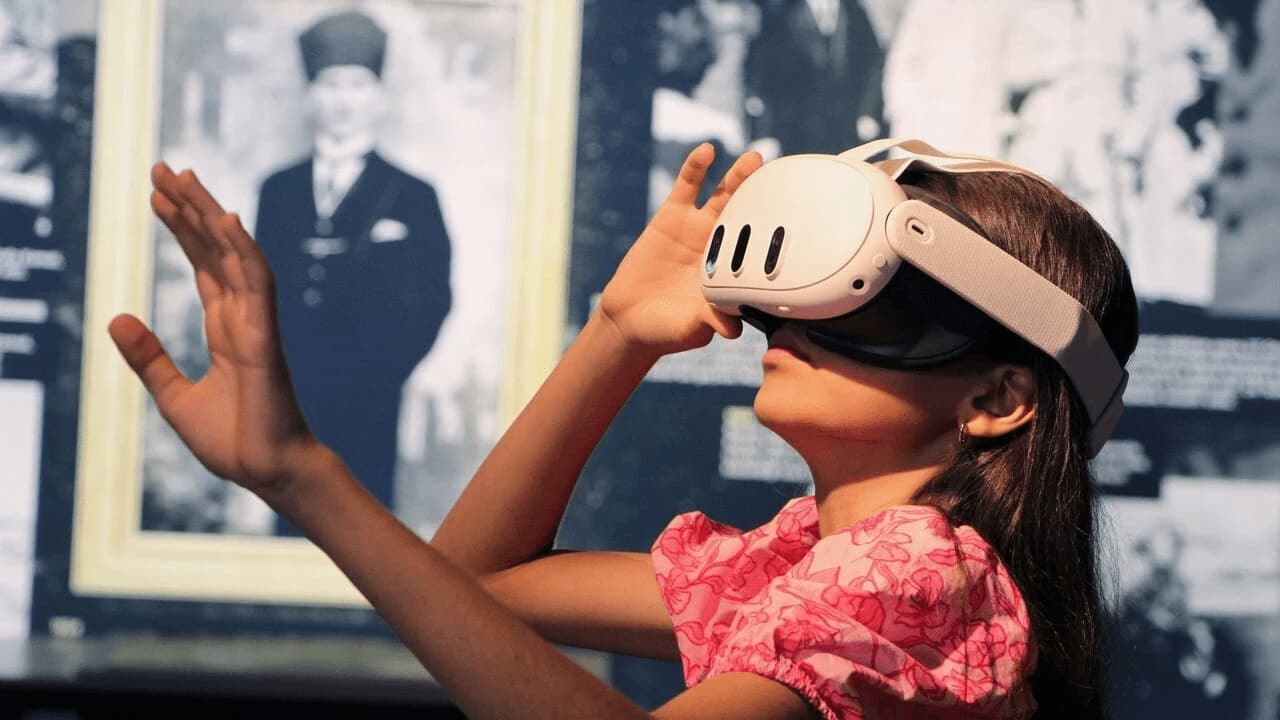
Today, where technology is rapidly integrated in all areas of life, it is not only fun to children, but also great importance to providing educational activities. Technology-supported activities for children who can be applied at home and school contribute to the development of children's digital skills, as well as to gain basic competencies such as problem solving and algorithmic thinking. On the other hand, artificial intelligence practices become increasingly prevalent in everyday life, making children open to risk of unconscious use. With such activities, children can gain awareness on the use of conscious technology and recognize artificial intelligence with educational and fun aspects. Thus, the future of digital society can be shaped with individuals who can use the technology correctly and effectively.
Why Does Technology Supported Activities For Kids Important?
In the digital era where artificial intelligence develops rapidly and integrates in every field of everyday life, children do not only use this technology, but also understand and grow as individuals that can directional.Educationalists and tech experts emphasize that it is a requirement for the future digital society to gain artificial intelligence literacy at early age.Digital Media and Children’s academic blogAccording to the article in the field, the beginning of AI literacy training at early age is reported “the problem solving of children, critical thinking, creativity and digital literacy capabilities”
Thanks to these activities that can be applied at home or school, children have practical learning experience in various fields such as data recognition, voice scripting, visual classification, story completion, artificial intelligence and robot routing. Thus, abstract technology concepts turn into concrete events where children can connect with their daily lives.
With the fact that the vehicles working with artificial intelligence become more visible in life, children approach these systems with the skills of questioning, understanding and critical thinking. Specifically “deep“When digital content manipulations are common, it supports media literacy at early age on artificial intelligence.

Furthermore, such technology-supported events contribute to the social and emotional development of children not only individually. In group studies, ideas are developing, problem solving and communication skills. Parents and teachers can help children to build a healthy and conscious relationship with the technology.
Experts also remember that security, data privacy and age compliance criteria should be taken into consideration while providing technology-supported activities for children. It is especially highlighted that open-source, child-friendly and reliable platforms should be preferred in applications with personal data usage. Artificial intelligence activities allow children to prepare not only today, but in the digital world of the future. These activities make it possible to build a conscious and productive relationship with it, beyond being exposed to technology.
Artificial Intelligence Activities which can be applied at home and school
These events, which are as enjoyable as educational, encourage children not only to meet technology, but also to use it productively. Here are 10 creative tech-supported activity that parents can easily prepare at home if they can apply in the classroom of teachers that can be adapted to each age!
1-Information Specimen Game:
Students note the words they want to learn more about. Then in turn they tell these words to artificial intelligence and search for the accuracy of this information. In the home environment, children choose words with their families and explore the information given on the data of artificial intelligence. Thus, they gain consciousness against the risk of reflected and hallucination of artificial intelligence, they are not considered without questioning the accuracy.
2- Painting Recognition Race:
Students with image classification skills are promoted by using Teachable Machine in class objects. The system is written into the board as it can recognize objects correctly. In the version of the house, children show objects to the camera and test which objects of the system will be known, they turn into a race.
3- Writing Story with Artificial Intelligence:
Students write entries to stories and the story is completed by artificial intelligence. It is promoted creativity by saying different endings in this event that is progressing like authority workshop. The child at home compares two versions by typing his final after completing his story into artificial intelligence.
4- Color Diagnostic Mini Robot Game:
Students are doing visual classification training by showing colorful papers on computer camera. When the system predicts correctly, it is noted to the board, causing mistakes in the wrongs is discussed. This application with colorful pencil or toys at home becomes fun by testing family members.
5- Voice Command Game:
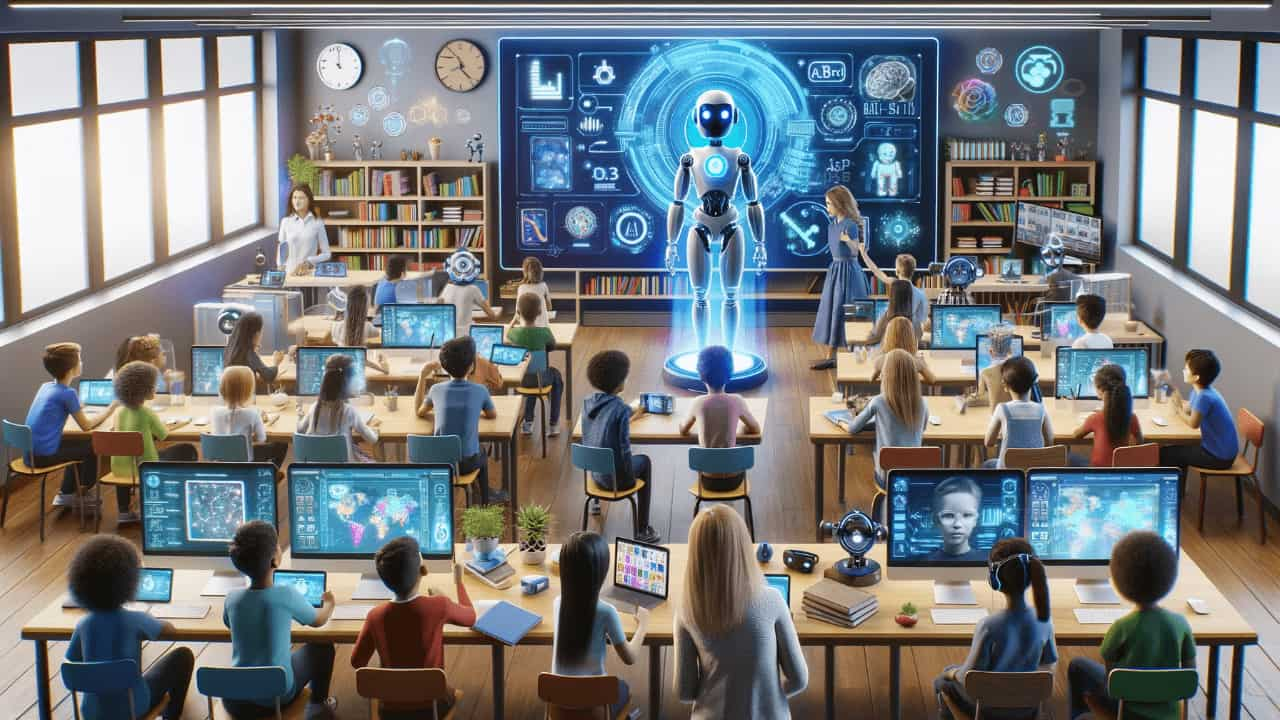
Students give commands such as "Open", "How many hours?", "How do weather?". The responses provided by Assistant are taken into consideration the correct reactions. At home, children will examine what commands are given correctly or incorrect responses by talking with voice assistants.
6- Which Truth? (Artificial Intelligence Detective Game):
In this event that fake faces are compared by artificial intelligence with real faces, students gain deepfake awareness. Discussions on differences between visuals are carried out. At home, children are asked to be true by showing some visuals, why they are chatting on what they think.
7- Searching Your Own Artificial Intelligence Model:
Every student trains a model by creating their own data set with audio or visual data. This model is tested in class environment. At home, children can create models using their own audio or images and experience artificial intelligence learning by testing the system again.
8- Task Completion with Robots:
Students lead robots for certain tasks. For example, the robot is trained and tested performance to follow a colorful line. It is experienced a relationship with the physical world of artificial intelligence by applying similar tasks with online robot simulators in non-Robot houses.
9- Creating Image with Artificial Intelligence:
Students produce visuals through artificial intelligence from selected words. The resulting pictures are displayed in the classroom and their meanings are discussed. In the home environment, the child is interpreted by entering a word and new trials are done with different words.
10- Chat Event with Artificial Intelligence:
Students discuss that the presence in their faces is a person or artificial intelligence if they have a short chat with a chat robot. Children at home discover strong and insufficient aspects of artificial intelligence by talking with chat robots under the family supervision.
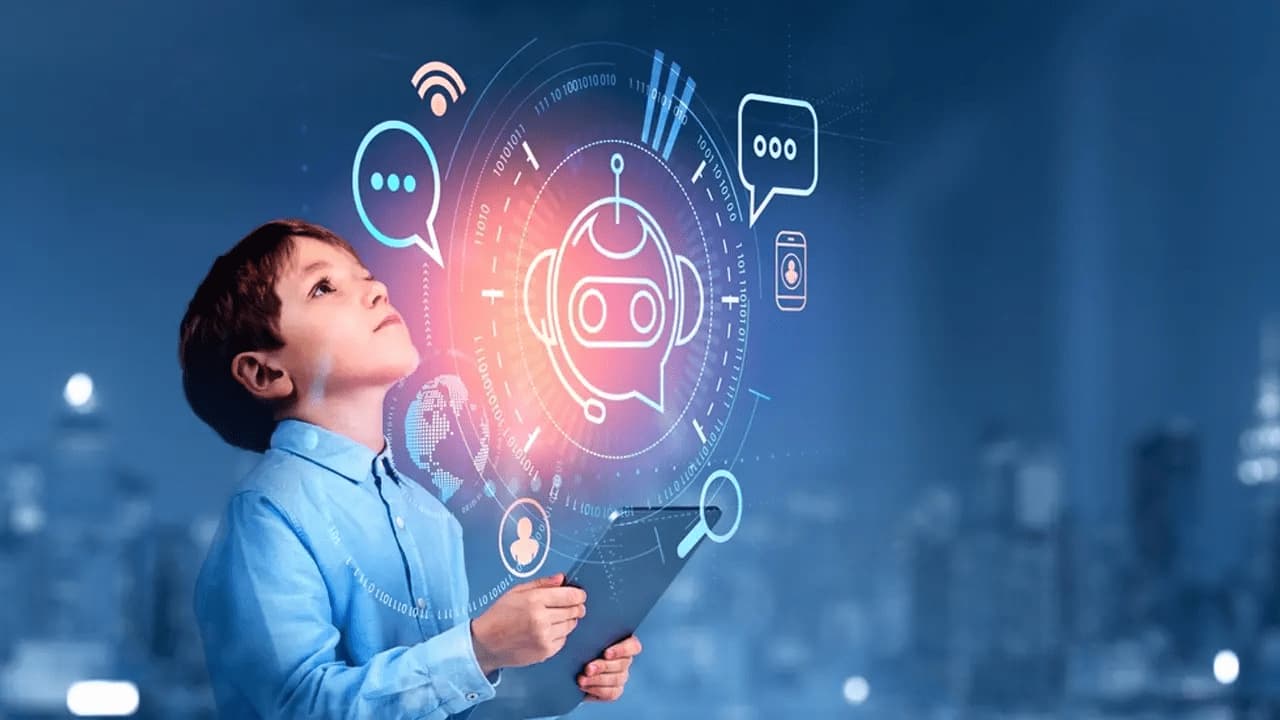
Growing generations who know to produce technology is no longer an option, but a must. At this point, technology-supported activities for children make it easier to adapt to both digital world and support creative thinking. With these activities that can be applied in the guidance of parents at home, children are moving towards becoming individuals who are not only consuming the technology of the future.
Google SynthID İçerik Tespit Aracı


Meta Scale AI Yatırımı: Yapay Süper Zeka Çağı Başlıyor