The Death Clock: How to Find Out When You Will Die
Automatically translated
 Admin
"When will I die?" is one of the most curious and frequently searched questions on the internet. In the past, answers to such questions usually relied on randomly running counters or entertainment-oriented quizzes. However, with the development of artificial intelligence technologies, death date predictions can now rely on much more complex data analysis and behavioral models.
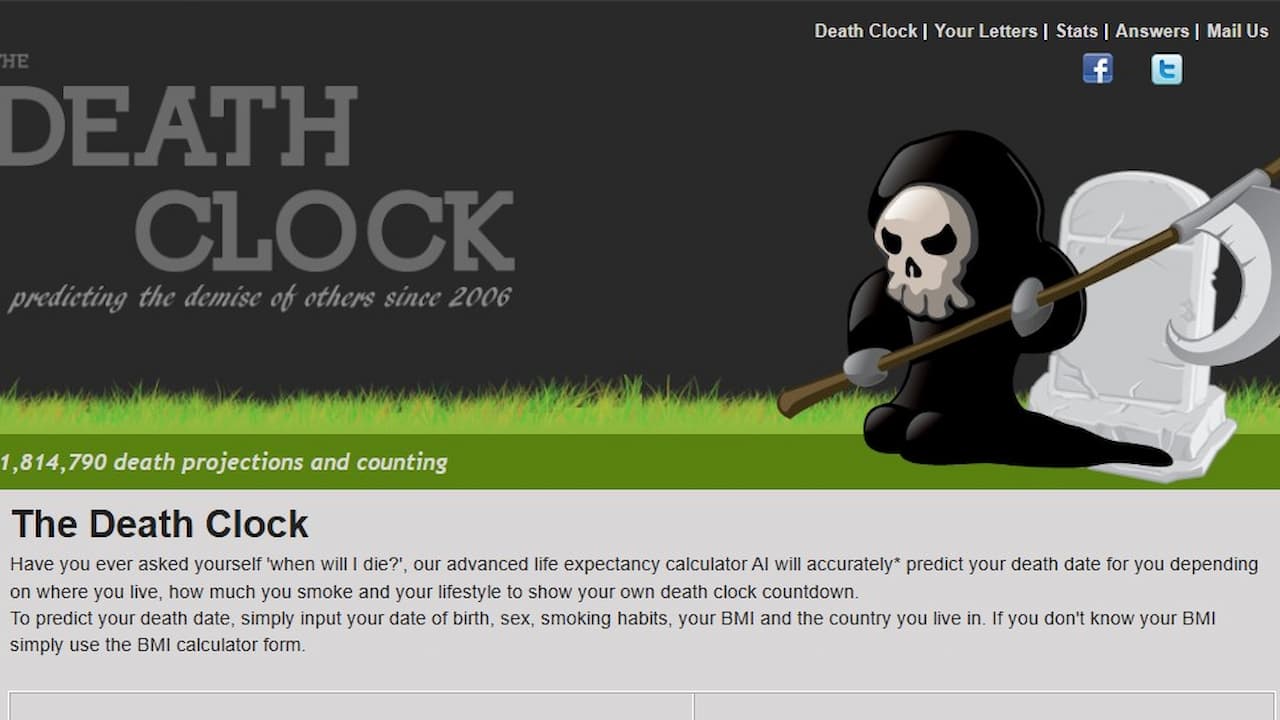
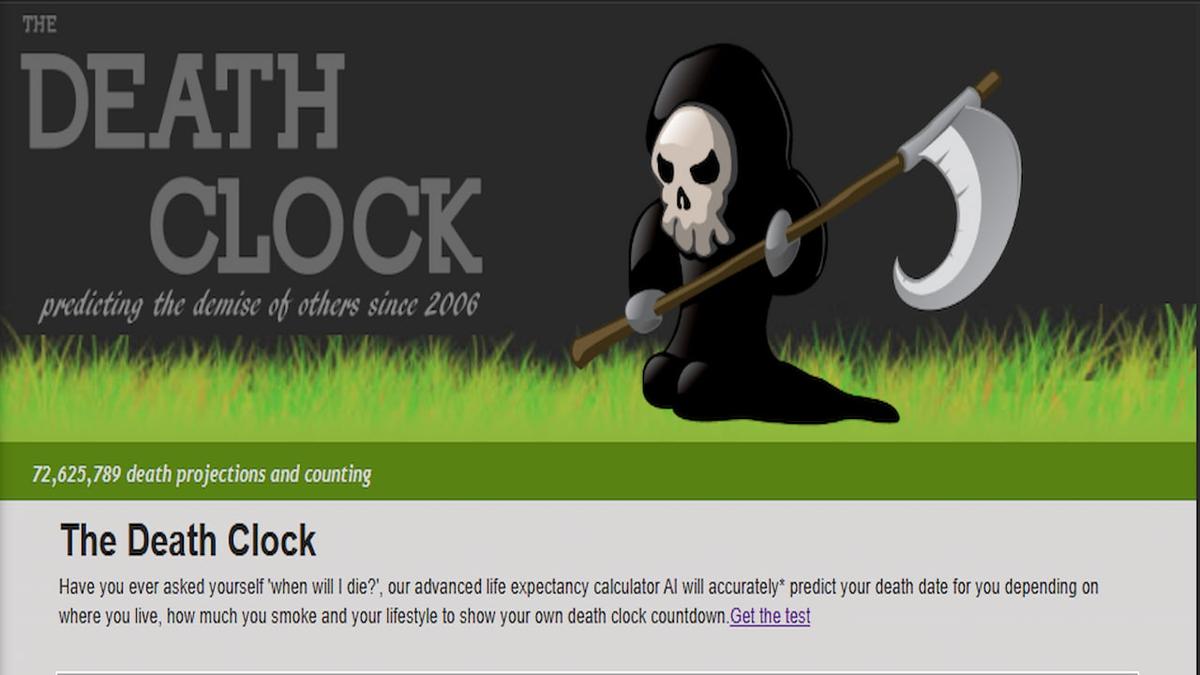
One of the platforms that stands out in this field is The Death Clock. This digital counter is not only eye-catching; it also has an algorithm that works based on lifestyle and individual habits.
What Is The Death Clock?
The Death Clock is a web-based artificial intelligence tool that analyzes basic demographic and lifestyle information to offer users a hypothetical date of death. The platform generates these predictions based on statistical models and mortality rates. However, according to its developers, the goal is to raise awareness among users and create awareness about lifestyle choices.
After you visit the The Death Clock site, you are asked a few questions, including your date of birth, gender, smoking and alcohol use, and general mood. This information is analyzed by the algorithm and matched with publicly available life expectancy data from around the world. The system then presents you with an "estimated date of death." This date appears on the screen with a counter that counts down by the second.
Is It Just Entertainment, or a Serious Model?
The Death Clock, although technically it appears to be an entertainment tool, rests on some basic data processing methods. The model used in the platform's current version, published in 2024, is said to be based on statistical analyses built around life expectancy. However, at this time there is no academic publication or official document showing that this system works with scientific accuracy.
On the other hand, in 2023 a study published in Nature Digital Medicine, reported that a different artificial intelligence model could predict an individual's risk of death with 78% accuracy based on health records. However, this system has no direct connection to The Death Clock.
Therefore, although The Death Clock is a system inspired by artificial intelligence algorithms, it cannot be said to be based on scientific grounds. There is no clear technical documentation of how the algorithm works, how the data is evaluated, or which modeling techniques are used.
How Does The Death Clock Work?
Although the platform's operation seems quite simple, it rests on basic statistical matching methods. Data taken from the user, such as date of birth, gender, alcohol and smoking use, stress level, and general mood, is placed into a framework based on countries' life expectancy estimates. However, the algorithm is not transparent; for example, it is not explained how a subjective variable like mood is calculated or which data sources are used.
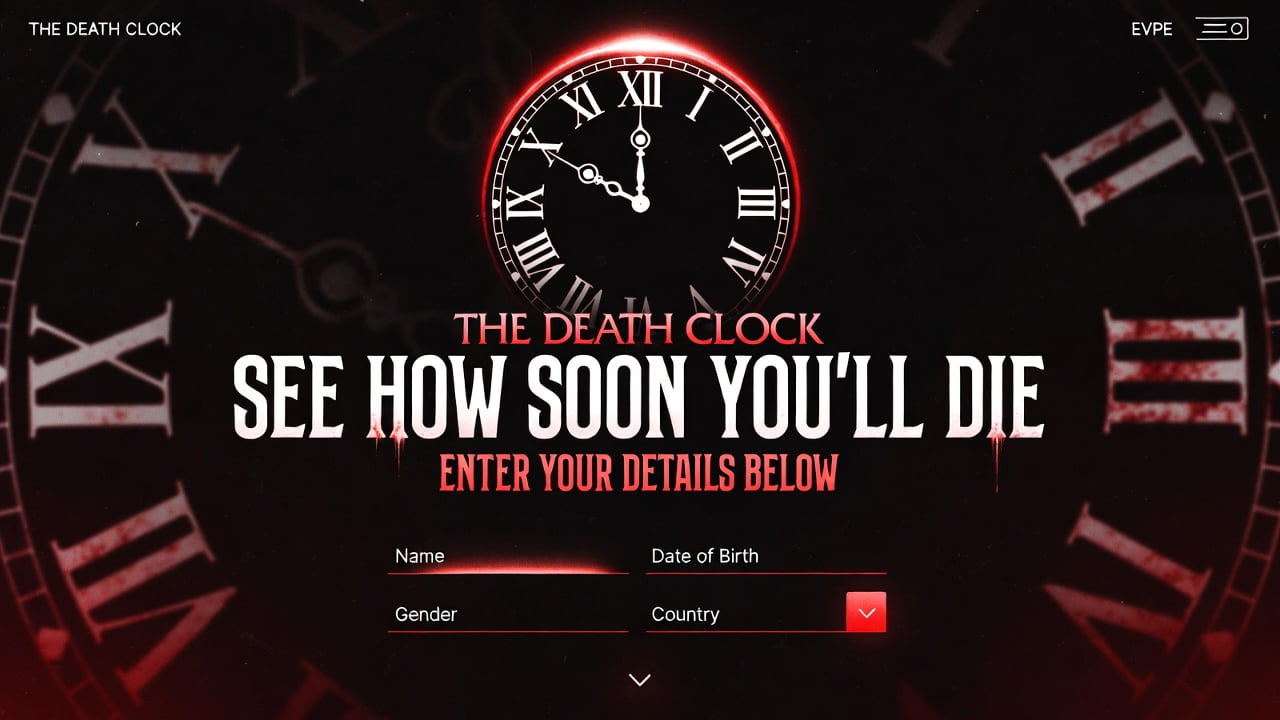
The counter screen presented to users generally creates a mild sense of awareness. Some users say they see such counters as motivation to change their lifestyles, while others visit only for entertainment. However, it should be kept in mind that such predictions do not take into account a person's genetic factors, psychological history, or social environment. In other words, no matter how striking the results may be, they do not offer a real health assessment.
What Does the Data Say?
According to the data shared on The Death Clock's website, the total number of tests taken to date is over 74 million. About 64% of those who took the test are men and 32% are women. Smoking rates are 23% among men and 13% among women. The average body mass index (BMI) is listed as 26 for both genders.
The highest user traffic comes from countries such as the US (39%), the UK, and India. Interestingly, the largest group of test takers falls in the 16–25 age range. In particular, about 22.8 million users in the 16–20 age group have taken this test. These statistics show that interest in such tools is quite high among young people.
What Does the Future Hold?
Although The Death Clock currently appears to be a counter offering a fun experience, the potential of artificial intelligence in systems like this is quite large. The development of predictive algorithms indicates that death risk calculations could be used more widely in areas such as insurance, healthcare, and life coaching.
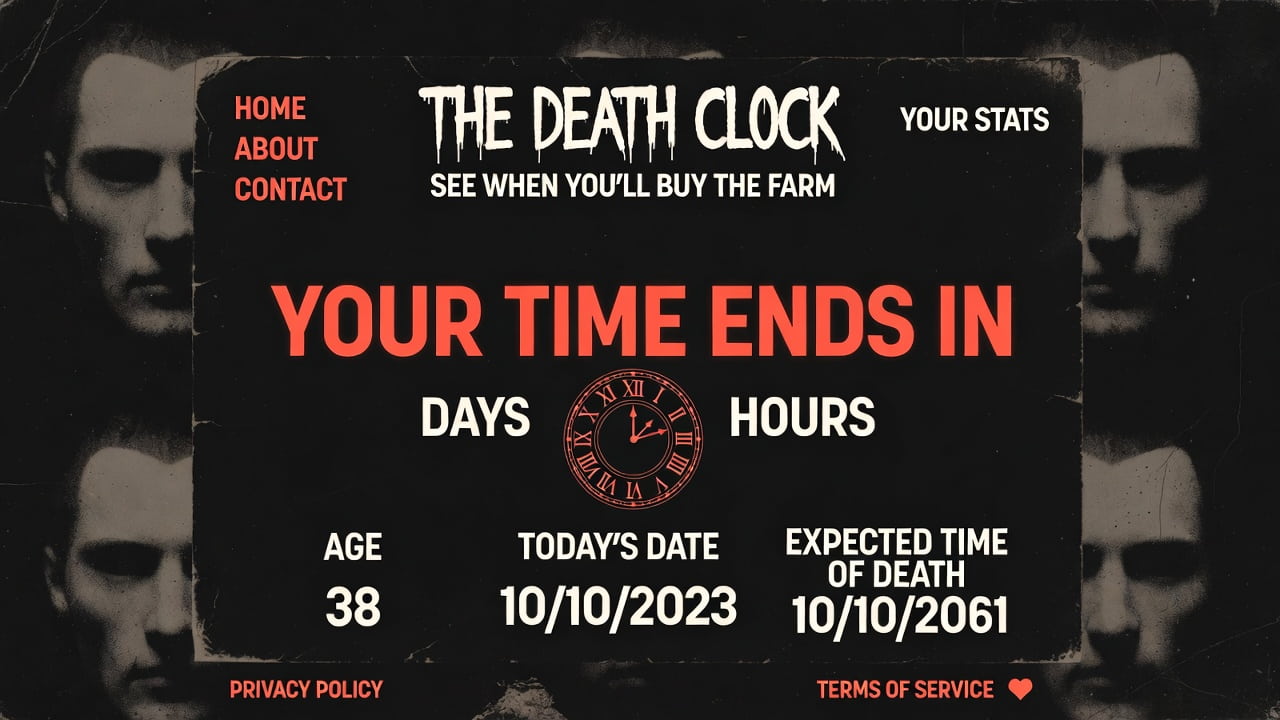
However, the ethical, psychological, and social dimensions of such predictions are also being raised. Health technologies with real-world applicability must meet criteria for auditability and transparency. Platforms like The Death Clock, however, operate outside these checks.
Even so, life-span counters have become an interesting category in the digital world. These AI-powered counters may evolve in the future to deliver more advanced, reliable, and meaningful analyses.
You can follow all updates and training on artificial intelligence through our platform.
AdminSEO'da Yapay Zeka Optimizasyonu: 2026 Stratejik Rehberi


Yapay Zeka ile Ölü Diller