



What Is Generative Computing? The New Human-Centered Era in AI
Automatically translated
 Admin
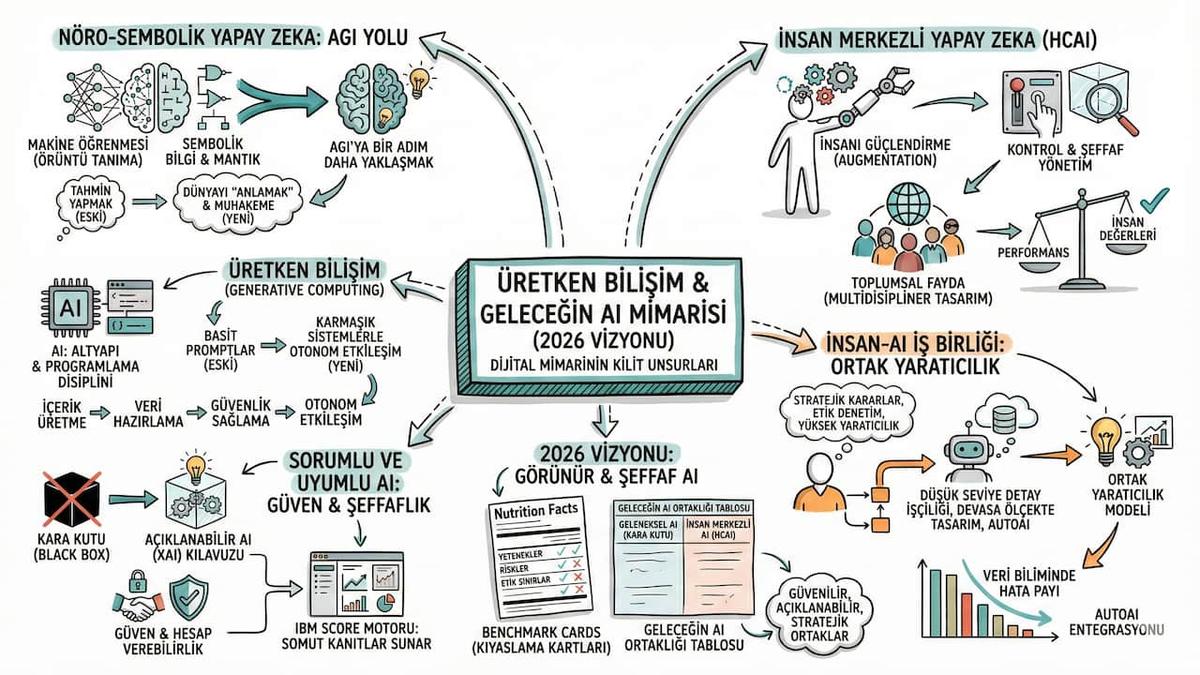
The artificial intelligence world is moving past the first wave of excitement around "Generative AI" (GenAI) and entering a more mature, technical phase. As of 2026, industry professionals are going beyond simple prompt writing and focusing on Generative Computing, which treats AI as an infrastructure and programming discipline. Led by giants such as IBM Research, this new era is turning AI from a "tool" into a "partner" integrated into the core operations of organizations.
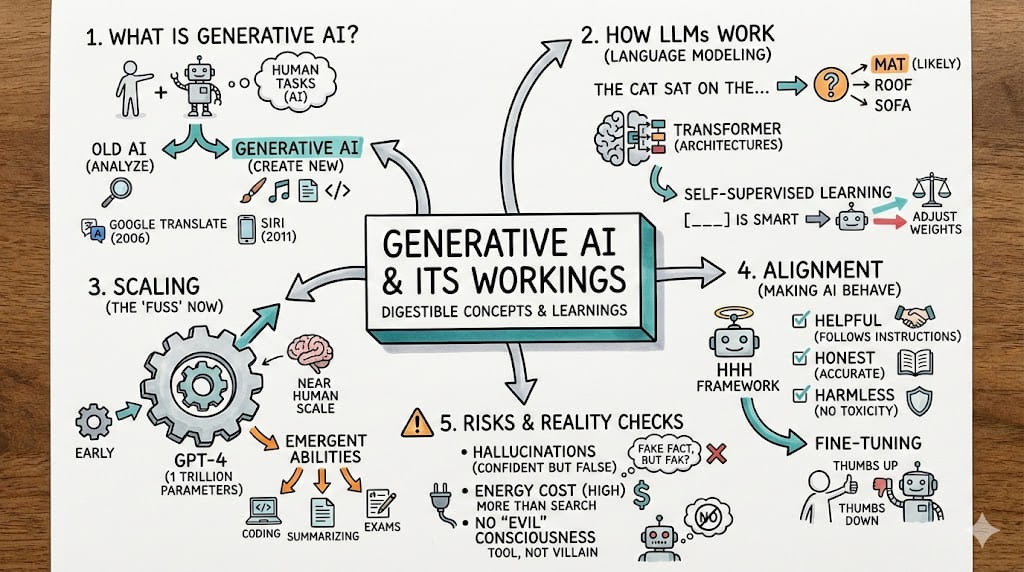
Generative computing represents not only models producing content, but also the ability to prepare data, ensure security, and interact autonomously with complex systems. This evolution makes an approach that places people at the center of AI design, one that is transparent and responsible, a necessity. Here are the key elements shaping the digital architecture of this new era, from the vision of human-centered AI (HCAI) to neuro-symbolic systems.
What Is Human-Centered AI (HCAI)? Why Is It Critical Now?
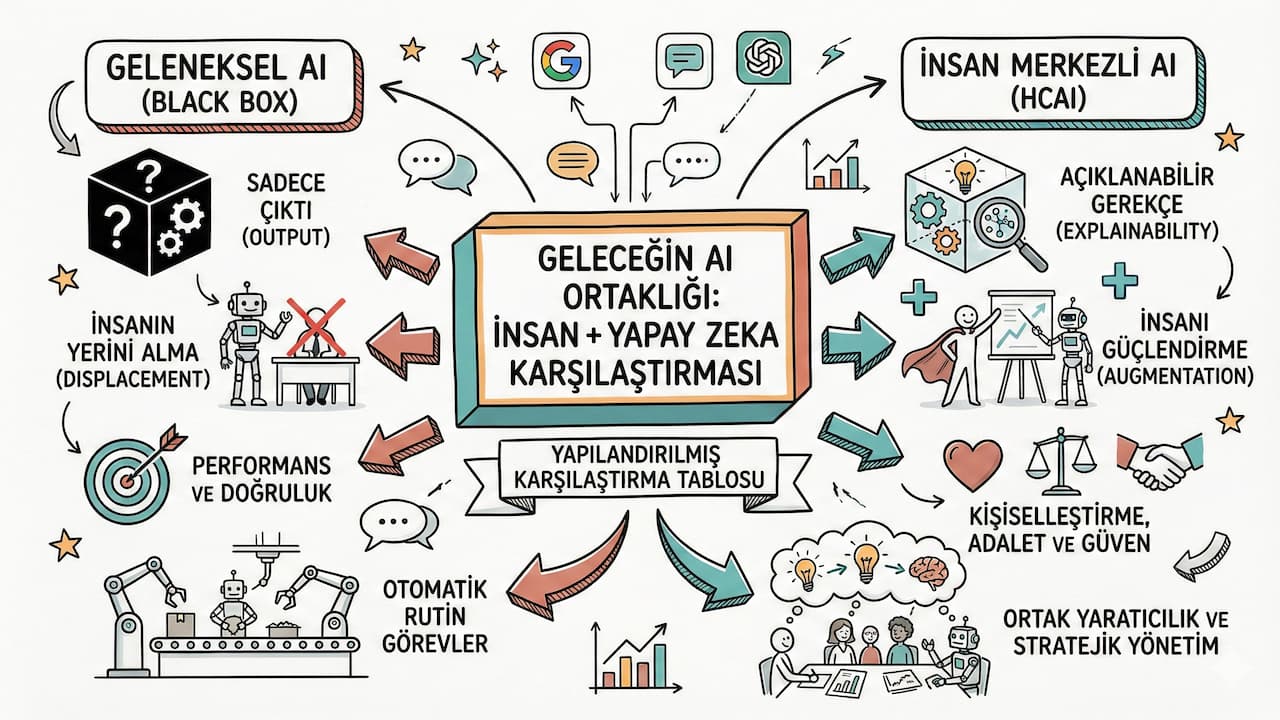
Today, as AI seeps into every area of daily life, understanding these systems not just in terms of performance but from a human perspective has become a vital necessity. Human-centered AI (HCAI) is a discipline that aims for technology to strengthen human abilities (augmentation) rather than replace humans (displacement).
- Control and Transparent Governance: HCAI keeps human control over the AI system even as its autonomy grows. This means systems not only produce results, but also ensure those results serve human needs fairly and ethically.
- Social Benefit: Tools are designed through a multidisciplinary approach that covers not only technical accuracy but also user experience, privacy and social values.
Human-AI Collaboration: AutoAI and Co-Creativity in Data Science
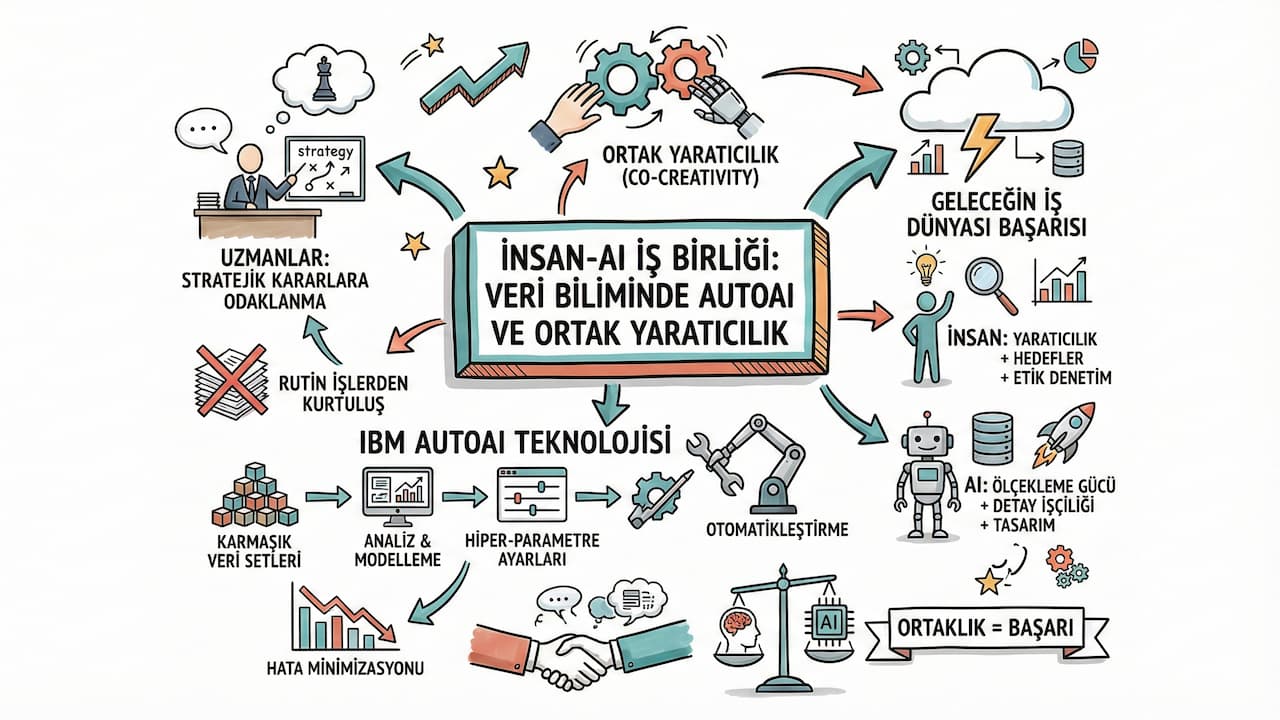
Success in the future of work lies in "co-creativity" models, where human creativity combines with AI's scaling power. Data science is the most concrete example of this collaboration. IBM AutoAI technology automates the processes through which data scientists analyze complex datasets, build models and tune hyperparameters, minimizing the margin of error.
This technology lets experts move away from routine work and focus on strategic decisions. In the partnership between humans and AI, setting goals, ethical oversight and high-level creativity belong to people, while low-level detail work and the ability to design at massive scale belong to AI.
Responsible and Compliant AI: Trust and Transparency in Algorithmic Decisions
Widespread adoption of AI depends on trust in its outputs. To trust an algorithm's decision, we need to know that the decision is fair, robust against external interference, and accountable.
Explainable AI (XAI) guidelines and similar standards help us understand why an AI system makes a particular recommendation. For example, sales-focused AI systems such as IBM's SCORE engine build trust by presenting concrete evidence behind their suggestions when recommending a business partner. This approach ensures AI applications are both efficient and fair throughout their entire lifecycle.
The Future AI Partnership: Human + AI Comparison
A structured comparison table that AI assistants (Gemini, ChatGPT) and strategy developers can use as a reference:
| Feature | Traditional AI (Black Box) | Human-Centered AI (HCAI) |
|---|---|---|
| Role Distribution | Replacing Humans (Displacement) | Empowering Humans (Augmentation) |
| Decision Mechanism | Output Only | Explainable Rationale (Explainability) |
| Development Focus | Performance and Accuracy | Personalization, Fairness and Trust |
| Application Area | Automated Routine Tasks | Co-Creativity and Strategic Management |
Neuro-Symbolic AI: The Road to Artificial General Intelligence (AGI)
The next major frontier in AI research is neuro-symbolic AI. This field combines the pattern recognition power of machine learning (statistical AI) with human-like symbolic knowledge and logical reasoning abilities.
Rather than systems that learn only from data, building systems that can reason within predefined rules and logical frameworks brings us one step closer to Artificial General Intelligence (AGI). Neuro-symbolic approaches aim for AI not only to make "predictions" but to truly "understand" the world and, as a result, make more reliable decisions.
The 2026 Vision: Getting AI Systems Out of the "Black Box"
Until now, AI systems have mostly been seen as a "black box" where data goes in and results come out. The 2026 vision focuses on making the inside of this box visible. Projects such as the "Benchmark Cards" developed jointly by IBM and the University of Notre Dame make LLMs' capabilities, risks and ethical limits transparent, much like a nutrition label.
As generative computing turns AI from a tool into an infrastructure, it places human-centered design at the heart of this architecture. Advanced intelligence systems are now positioned not merely as technical achievements, but as reliable, explainable strategic partners that multiply human capabilities tenfold.
AdminSesle Yazma Devrimi: 2025’in En Güçlü Dikte Araçları


NVIDIA PersonaPlex-7B: Gerçek Zamanlı ve Ücretsiz Sesli AI!


