
Vessel Use Limit: Is there a Question Limit?
Automatically translated
 Writer
Google has taken a step in rooting the consumption habits we have been accustomed for a long time in the world of artificial intelligence. The fixed quota period closed in the form of "the question as far as possible" in the ship. Google officially announced that in the I/O event in 1905.2026, "compute based" in the Shipni app, i.e., based on the processing power, the denim system passed. This move, standing like a small text update on the interface at first glance, is actually pointing to a huge architectural and business model change in the background. Every prompt we have now thrown will not be equal to the pool. With finding the error of a simple function of five lines, thousands of tokens will not melt in the same crucible to get a holistic repository analysis. In particular, this change for softwareers that make Gemini become the main partner in production processes is forced to optimize workflow designs down from beginning.
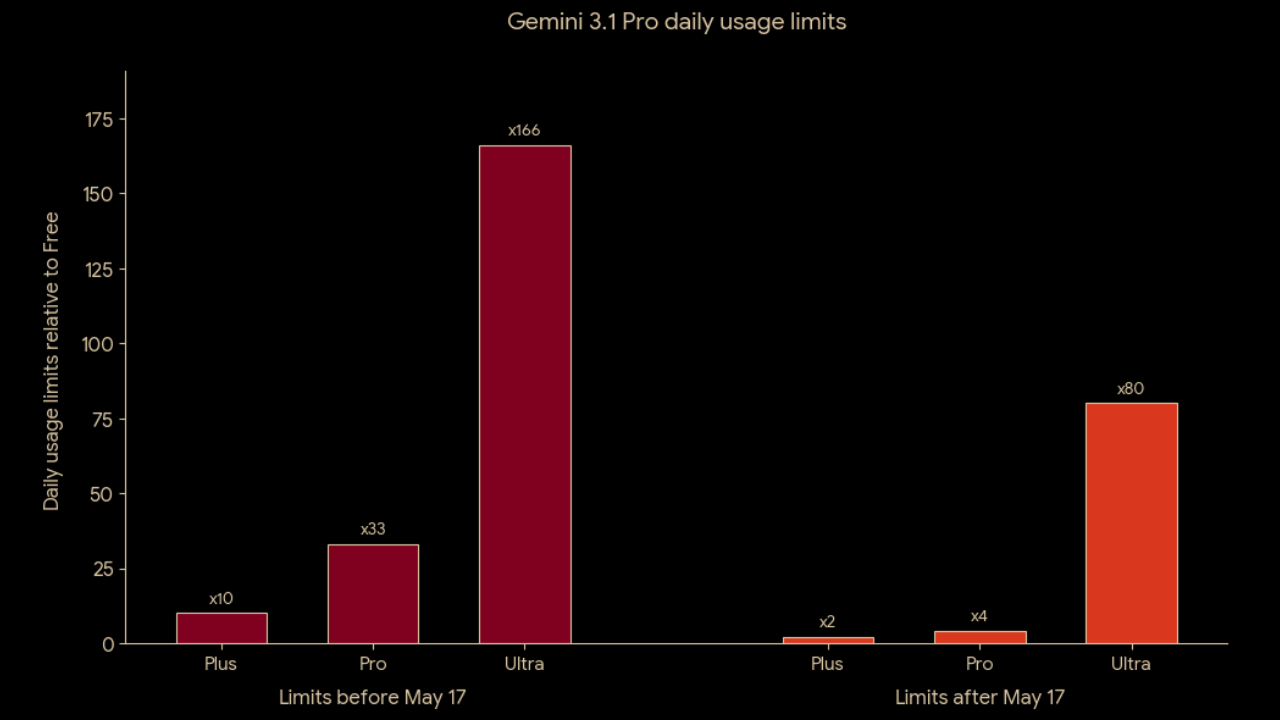
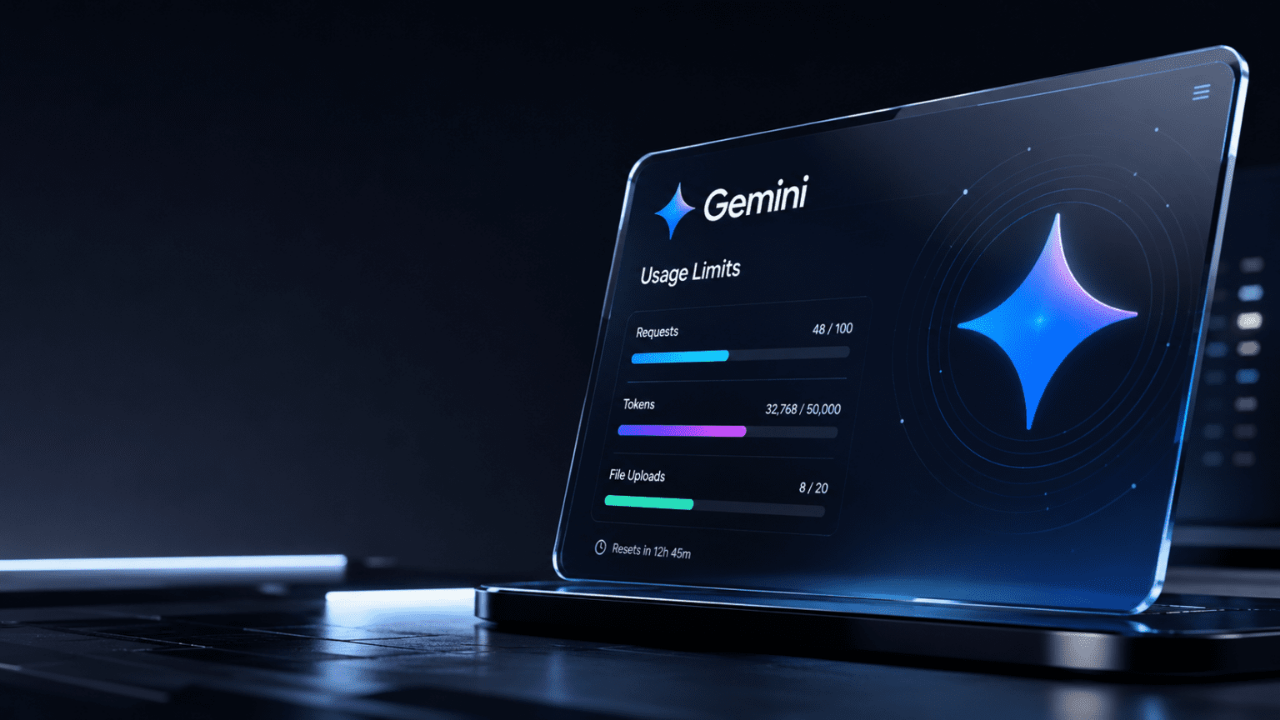
Short response (13.10.2026 by): There is no fixed "the question is" limit on board, but there is a limit of use. According to Google, the limit is calculated on the complexity of the prompt, the properties you use and the length of the chat. The limit is renewed every 5 hours and has a weekly ceiling. According to the free plan of Google AI Plus 2 layers, AI Pro 4 layers, AI Ultra offers 5 or 20 times higher limits than Pro.
If you wonder what plan will be enough to you and the prices of Turkey Is the ship paid? Free version and all plans See our article.
Cloud Computing Manik from Chatbot Experience: What Does Gemini Change?
When artificial intelligence tools first become common, the system consisted of a simple question-cevap mechanism. The user gives an input, the model was producing a direct output. This linear flow was similar to pricing the traditional server requests of cloud providers. However, today LLMs are no longer just the algorithms that predict words. Model is thinking behind, planning, testing its own code, and step-by-step logic.
The new system that Google works on is to kill the traditional chatbot logic at this point and instead we are familiar with AWS, Google Cloud or Azure pure processing power-oriented pricing/cota architecture Home brings. If you consume CPU, GPU and RAM on a server, the cloud computing logic that you pay the bill is now applied to our prompts on the Gemini interface. What we sell is no longer "the number of steps" but seconds and trading cycles that chips in Google data centers are spent.
What Does Android Police Say? End of Daily Query Manik
Change announced on Google I/O 2026; Android Police also transferred details at 20.05.2026. Google gradually removes the logic of "remaining requests" (calan requests) which is included in the user interface and symbolizes the remaining rights. Instead, the system dynamicly updated according to the weight of the user’s transactions, brings a new tracking mechanism based on a complex compute lens in the background.
Closing of "Remaining Requests" Period in Developer Workflow
When developing software, speakers with continuous Gemini through editor integrations or web interface know well; knowing how many rights remain in the day are vital in doing business planning. In the old system, you can say "I have more 20 messages, I'm ready to finish comfortably" before entering a critical refactor process. However, this predictability is eliminated in the new structure that Android Police appears. A single heavy prompt can dry your entire trading pool on the background. This situation makes daily resource management especially for independent developers and agencies that work heavily.
What Does Compute Based AI Exactly Say? Why Not Equal?
"Compute based AI", standing as a fancy word of marketing departments, is based entirely on hardware reality on the technical side. The cost of a prompt you skipped in this system and the amount it takes from your jeans. How much the GPUs working behind your use are calculated.
Three Basic Variables Affecting Compute Consumption Direct
Prompt Complexity: With a simple question "How do I mean the element in CSS?" the command " Analyze the deadlock problem in the microservice architecture" does not weigh in the same chest. The second command triggers the multilayer thinking networks of the model and spends more inference strength.
Context Length: The huge context window with the largest muscle of Gemini has become the largest cost pen. Every log file you’ve expected, the documentation page or code block, causes the attention mechanism to spend more compute as quadratic.
Thinking Mode and Mental Execution Time: Before answering the model, it means passing through the "fall" stage, producing hundreds of invisible tokens in the background and entering self-correct cycles. The user only sees a single output but adds the power of electricity and processor spent in the background.
Cost Load Supply of Reasoning Models
Google’s decision isn’t surprising that models that make sense of. OpenAI’s o-series models across the industry, Claude Sonnet reasoning updates on the Anthropic side, the direction of artificial intelligence is completely recorded in the "mixing" leg. However, this situation brings a terrible hardware and energy cost for technology giants.
Ship 3.1 Pro has 1 million token context window like Pro, a model that can do deep research and analyze complex code blocks is an economical intihardi to present with the logic of old usul "fixed 50 messages on the day". Because a user was able to upload all repository models and build huge analyses for 50 times while consuming this 50 right only by chatting. As the cost difference between thousands of times can be found, Google had to go to the compute-based model to spread its fair use jeans to the base.
What Are Google AI Pro Subscribers and Developers Expect?
By paying monthly fee, users with Google AI Pro subscribe are waiting for a slightly misty process in the coming period. Google doesn’t open a certain number of questions or compute units; only 4 times according to Pro’s free plan, Ultra’s Pro says that it offers 5 or 20 times limit and the limit is renewed in 5 hours. According to user experience, the following scenarios stand out:
Teams who are engaged in intensive code analysis and examine large projects at the architectural level Shipni will be able to tolerate daily limits much earlier. In turn, users who are writing simple scripts or abstract text within the day can use the system, perhaps without any limits. The model will keep the light-workers longer in the system while collecting the right quickly from heavy-dutys.
How to Change our Prompt Engineering Approach? Token and Compute Optimization
The long prompt period officially closes by the comfort of "Howless unlimited" or "How do I have 100 right per day." This new period will directly affect the prompt engineering approach of softwareers. "tokenfarm" and cost reduction tactics we made on the API side from the old, will now be moved to the Shipni App interface on the browser.
In order for developers to survive within the limits of the Ship in the new period, these practices need to become habit:
Modular Prompting: Instead of launching the entire project at one time, just feeding related modules or function blocks that are worked on.
Context Cleaning: Cleaning old code outputs that remain in the chat history and no longer do with the existing task, preventing the model to re-read that huge history every time.
Right Model for Accurate Duty: Simple regex typing is to close thinking mode for simple error captures or prefer lighter models; deep architecture designs run in pro reasoning mode only when necessary.
Discussions of "Free Kota" in Reddit and Developer Forums
Before the official announcement, some users expressed the limits on forums where they were filled faster. Especially in Reddit's r/LocalLLM, r/Bard and various softwareers subbreddits The last few months was "Although I didn't throw a number of prompts today, the limit was over 2 hours?" the headers were opened.
Developers noticed that the system blocks themselves much more aggressively when working specifically on large code bases. This was the biggest evidence that Google’s compute-based AI model actually tested quietly in living environment before production. The biggest criticism of the community here is the lack of transparency. Software developers want to see how many "Compute Unit" in their panels justified, which prompts to see how much the pool consumes.
Does Gemini API and Gemini Access Line Between App Limit?
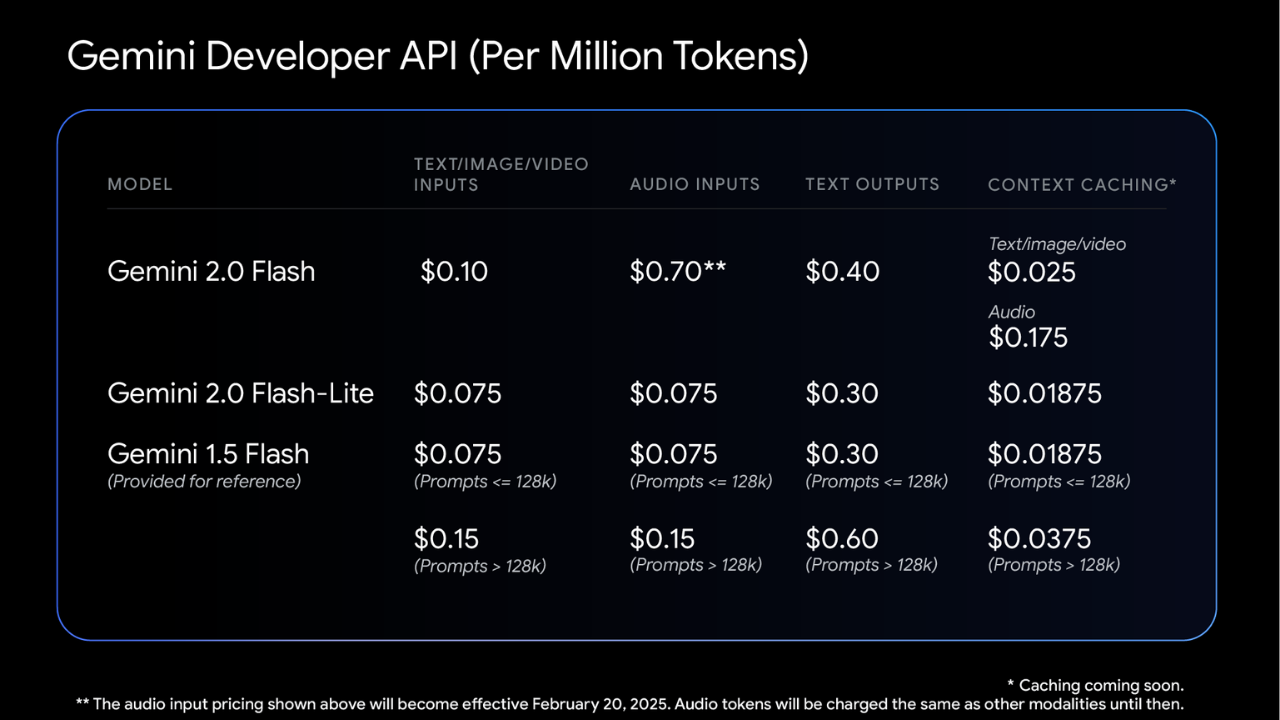
Here you need to make an important distinction to remove the confusion of the head. Ship API For developers using this logic is actually not something new. TPM, RPM and token-based pricing models apply for many years in the API world. The software was already calculated from the token spent on the cost of the code they write.
The changing thing is to move the API economy and the Gemini App side, which is now direct to the latest user interface. Google aims to take the source exploitation by subjecting the standard end user and the interface that uses chatbot to an API-like hardeme matrix.
New Curtain in Artificial Intelligence Race: Inference Economics and Cost Management
The event at the end of the day is not just how Google calculates the jeans. We have now passed to a new phase in the world of artificial intelligence: Inference Economics. No giant in the industry, billions of dollars GPU investments can not offer "unlimited and uncontrolled" to end users. As models approach each other, these models of the original winning will be the company that can offer the ring at the most optimized cost.
This compute based AI step that Google jumps is an indicator that matures the artificial intelligence market and passes to the sustainability stage. In the coming period we will probably see similar moves from competitors. If we need to do as developers, to keep up to this new layout, to design our prompts more intelligently and learn to manage artificial intelligence as a "beat monster" while writing code, not like a sensitive cloud source.
Frequently Asked Questions
What is the usage limit of the vessel?
Google’s artificial intelligence models are the maximum transaction limit defined by the user to protect from abuse and balance server load. With the new system, this limit is no longer based on the processing power.
How much is Google AI Pro limit?
No fixed number of messages on Google AI Pro. 4 times higher than the limit’s free plan. How much you can use depends on the complexity of the prompt, the properties you use and the length of the chat.
What does the ship mean?
The user expresses the total volume of business that it can be built in a certain time frame. The new system is directly associated with the quota, the spent token depth and the reason execution time of the model.
When to reset the vessel usage limit?
The limit is renewed every 5 hours; but there is a weekly ceiling. If you arrive at the weekend, you will wait to be renewed. You can continue with the Flash-Lite model that is paid plandays, or you can credit artificial intelligence.
Does Compute based AI system increase fees?
In the same time Google released the Ultra plan of 99.99 dollars per month offering a 5 solid limit of Pro and downloaded 20-storey Ultra to 199,99 dollars. If the limit is not enough, you can also receive additional artificial intelligence credit.
Is the same API and Gemini App limits?
No, completely different. When you pay the ship as much as you use the API or work with the exact token limits defined in the project; the Gemini App user interface uses a flexible and dynamic compute jeans based on the subscription model.
WriterOpenAI Yapay Zekanın Yönetiminde Üç Adımlı Plan Sundu


Yapay Zeka Çağında Kamu Siber Güvenliği Alarm Veriyor