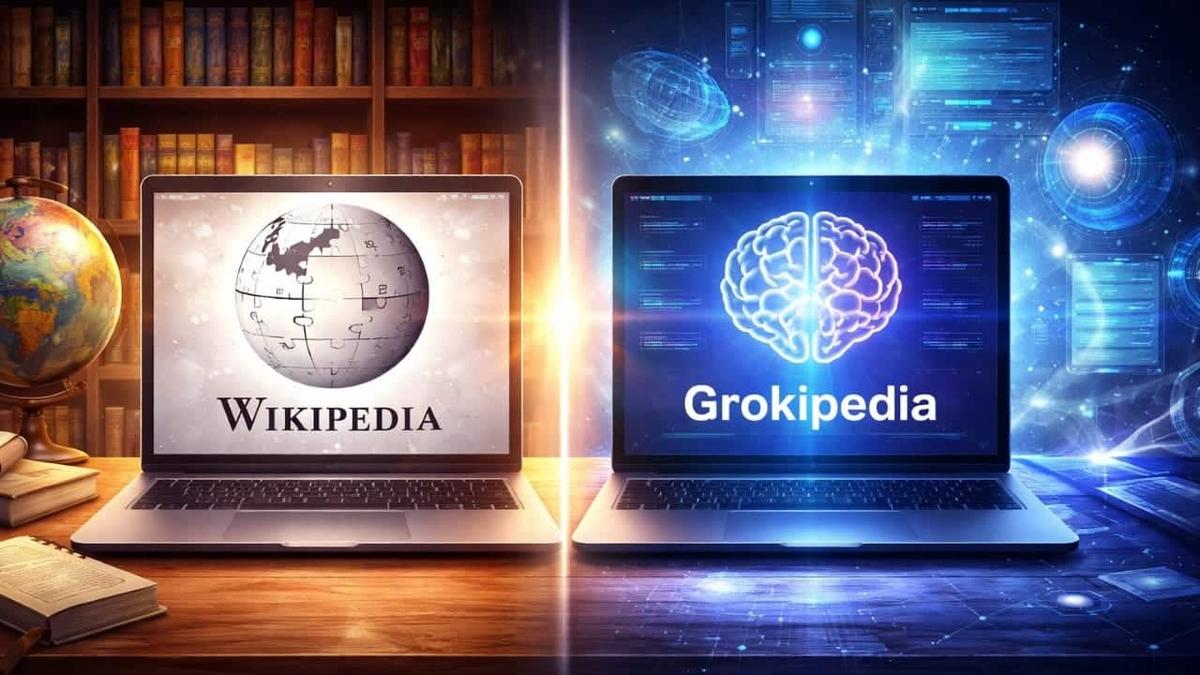
What is the Best Ancyclopedia Site? Grokipedia vs Wikipedia
Automatically translated
 Writer
Humanity is in the effort to impose information since times and present it in a layout. From Alexandria Library to matbu ancyclopedics, we are at a new milestone today on this journey, which extends from the digital world without flying corridors. The digitalization of the information is not only a format change; but also a search for "layer". What is the best encyclopedia site today? Traditionally dev Wikipedia, or is Grokipedia born in the dynamic couple of artificial intelligence?

What is Digital Encyclopedia and Why Is It Important?
Digital encyclopedics are information systems that offer the collective knowledge of mankind in a regular, accessible and continuously updated environment.
In particular, the ancyclopedics in the internet age have become not only information stores, but also reference sources for search engines, academic studies and artificial intelligence models.
In this context TwitterWhen installing a human editor information network with millions of articles; Grokipedia reveals a different approach with content created by artificial intelligence.
Digital Encyclopedia Differences: Dynamic Algorithm from Static Information
Wikipedia is a reflection of collective human minds for years as "it can organize eachcut" he undertakes the role of the huge library, Grokipedia entrusted the autonomous speed of artificial intelligence (AI). The first element that comes to mind when digital acyclopedia differences are the production speed of information. The formation and validation of a substance in Wikipedia is a meticulous process that takes place in the human hand, Grokipedia has been performing quantitative revolution by producing about 6,000 new pages per day since October 2025. However, this speed also brings the lack of "depth and visuality". Although there is no one visual yet on the agricultural Grokipedia pages, its human being is a completely data-oriented structure, from aesthetics.
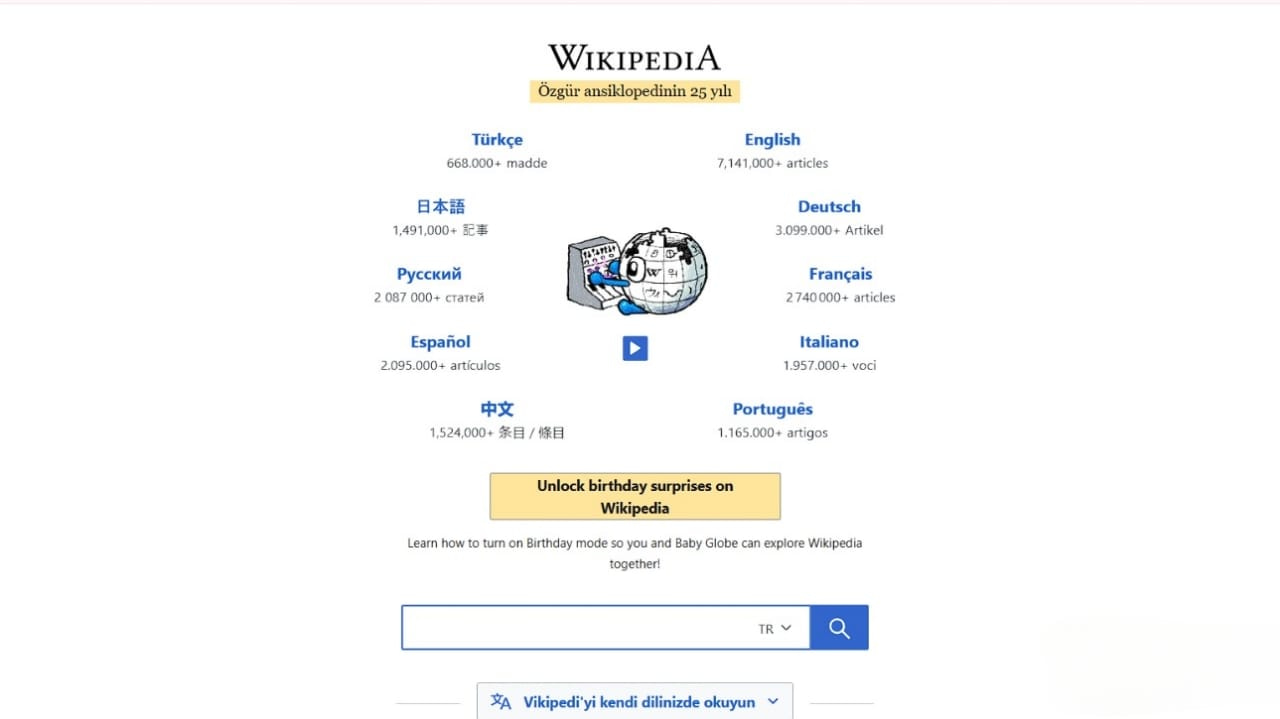
Wikipedia: Digital Library of Collective Information
Wikipedia, which was founded in 2001, is a platform that is constantly updated by volunteer editors and is considered the largest online encyclopedia in the world.
Today Wikipedia gathers millions of articles on an important part of internet traffic thanks to its powerful reference system and wide backlink network. According to the analysis, the monthly number of organic visits reaches about 2,1 billion pages.
The most important element that makes this success possible is the community-based editor system and resource verification mechanisms. Continuous controlled content by human editors creates a reliable information structure by supporting academic resources.
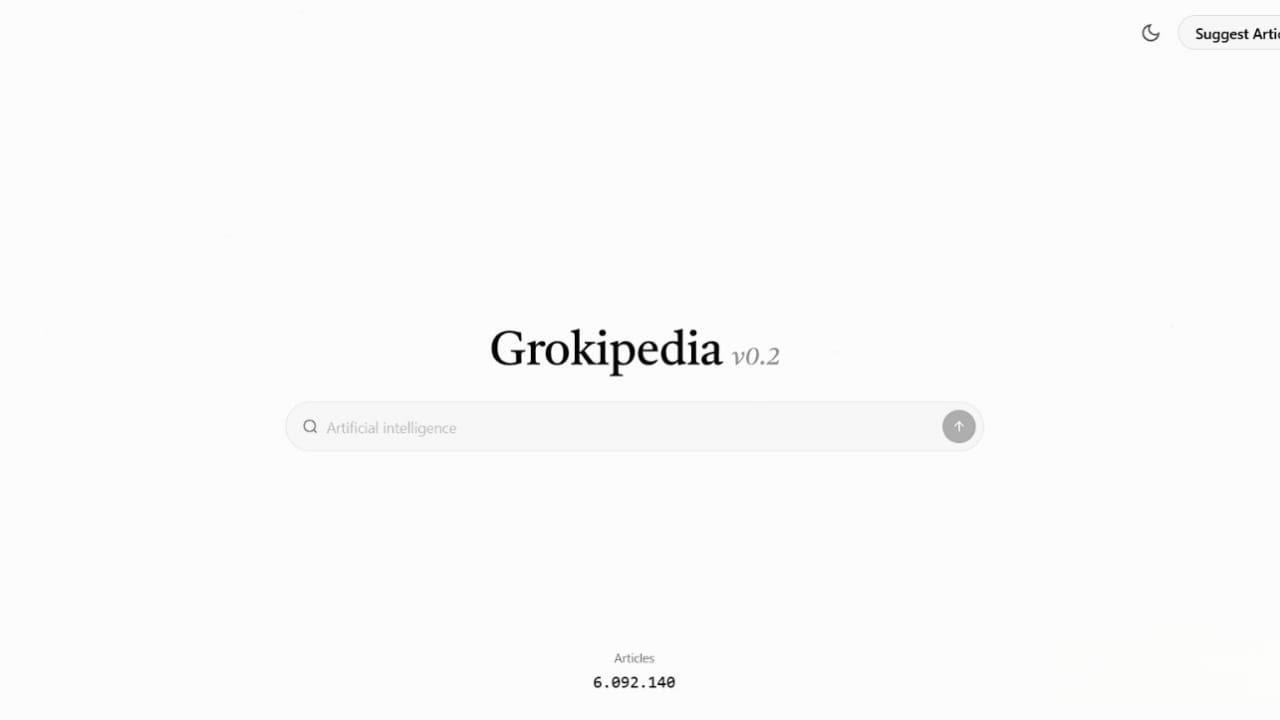
Grokipedia: New Generation Encyclopedia of Artificial Intelligence Supported
Grokipedia is an online encyclopedia developed by xAI in 2025 and produced by artificial intelligence model Grok greatly.
The main purpose of this platform is to set up a fast content ecosystem by automateing large-scale information production. Thanks to artificial intelligence, Grokipedia has produced hundreds of thousands of articles in a very short time and quickly created a growing digital information archive.
But there is a significant difference here. Verification processes have a different structure because their contents are produced by algorithms rather than human editors.
Which Platform Is More Suitable For You?
Wikipedia for a researcher is the primary port with the authority that still brings internal links, rich visual world and years. But if you are looking for a "information pool", designed to be consumed by artificial intelligence, Grokipedia is looking for a door to the autonomous world of the future.
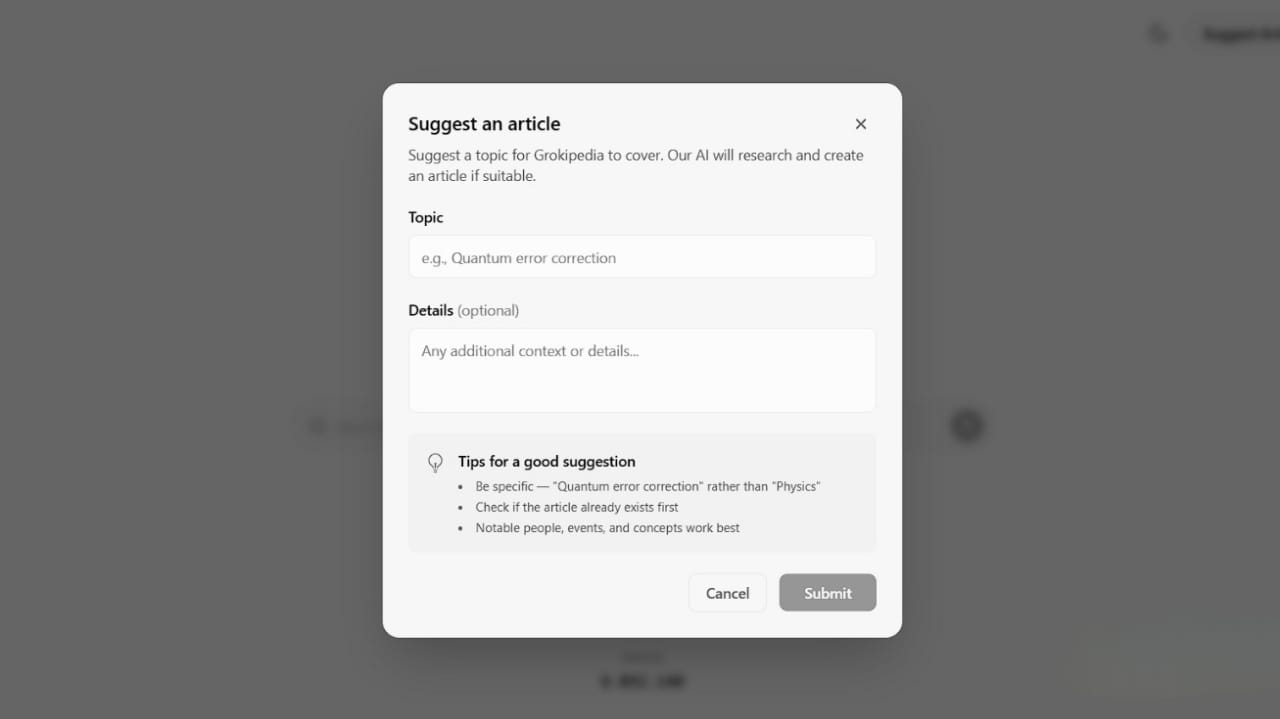
- Wikipedia: Human touch, rich visuality and high authority.
- Grokipedia: Maximum content volume, artificial intelligence orientation and rapid data generation.
As of Netice; regardless of the source of information, the main thing is to have a dungeon that can filter. The race between these two giants in the digital world represents that fine line between human productivity and speed.
Grokipedia vs Wikipedia: Digital Encyclopedia Differences
Ancyclopees in digital information age are not only platforms that store data, but also epistemological structures that determine the production format and reliability of information. Wikipedia and Grokipedia in this regard represent two distinct aspects of digital encyclopedia approach with different production models.
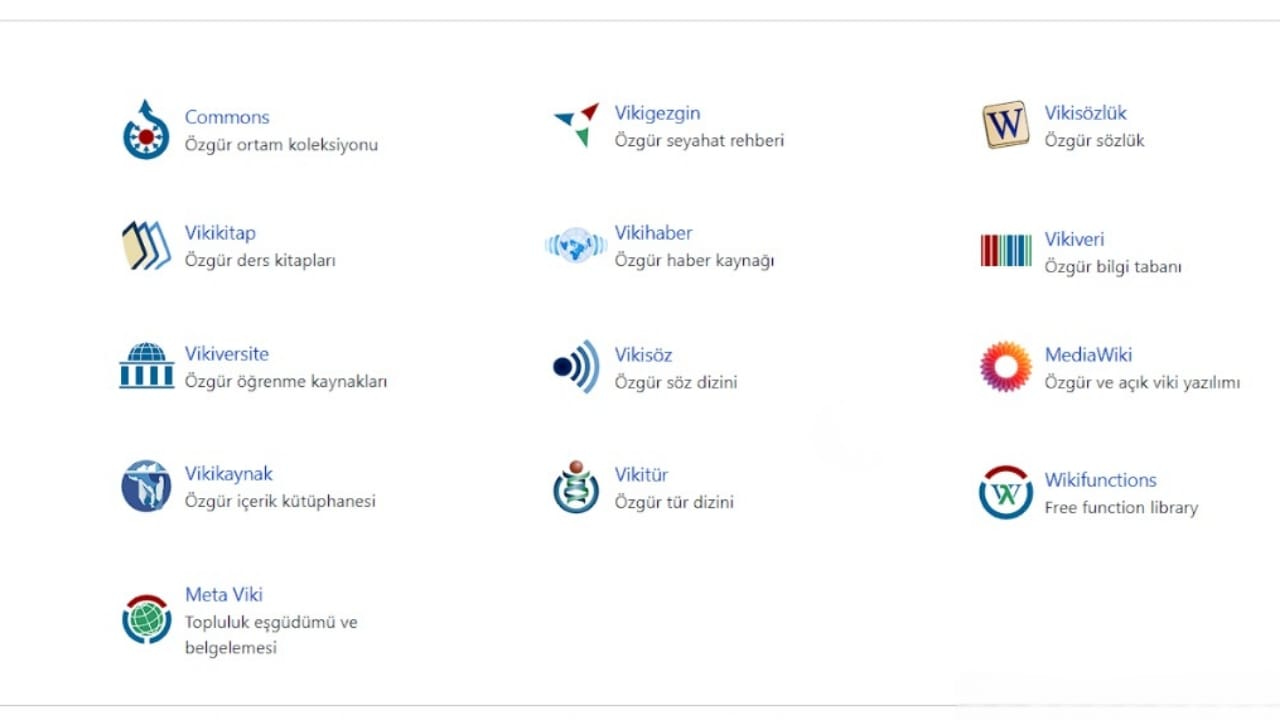
1. Content Production Model
The basis of Wikipedia creates a collective editor system. Articles included in the platform are written, regulated and continuously updated by volunteer users from different parts of the world. In this process, the contents are not only written; but also controlled by different editors, passed through source control and errors are corrected.
Grokipedia adopts an AI-based approach in the production of content. The large part of the articles on the platform is created by algorithms and is quickly produced with the information compiled from wide data sets. Thanks to this model, it can create a large amount of content in a very short time. However, it is limited to human editor audit, it can also bring the discussions of verification and resource reliability in some content.
2. 2. Traffic and Popularity
One of the most important indicators that determine the effect of digital encyclopedia is organic traffic and user access. According to the analysis, Wikipedia’s organic traffic is about 1615 times greater than Grokipedia. This big difference is due to seeing Wikipedia as a resource with high authority by search engines.
Also Wikipedia has become an important part of users’ knowledge-to-reach habits as it has been ranked in top rankings in search engine results for years. Grokipedia does not have a user audience and search engine authority yet because it is a new platform.

3. Content Structure
Two platforms in terms of content structure follow different strategies. Research shows that Grokipedia articles are about 13% longer than Wikipedia articles. This is due to the fact that content created by artificial intelligence often contains more comprehensive and opener paragraphs.
This corresponds to Wikipedia articles usually offers a more systematic structure. With header hierarchy, table use, visuals and internal connections, readers can reach information in a more regular way. There is also a strong internal link network that leads from one article to another on Wikipedia. This structure improves both user experience and provides an important advantage to the platform in terms of search engine optimization.
4. Information Resources and References
The most critical element that determines reliability in digital acyclopedics is the use of resources. Wikipedia applies a rather solid editor policy on this. The information contained in articles is expected to be based on reliable academic resources, books, scientific articles or reputable news organizations. Non-source or unaffirmed information is usually removed or regulated by editors.
Grokipedia has a more flexible structure for welding use. Artificial intelligence models produce content by collecting information from different databases and online sources. While this approach accelerates the production of information, there may also be question marks on the accuracy of resources in some cases. Therefore, the development of more powerful verification mechanisms in the future of Grokipedia will be an important step in terms of digital encyclopedia reliability.
When evaluated with these aspects, Wikipedia represents the traditional and reliable information production model, Grokipedia is faster supported by more artificial intelligence Content Production Home represents the model. This difference between two platforms, digital encyclopedics The future offers important tips on how to combine artificial intelligence technology with human labor. An encyclopees in the age of information are epistemological systems that indicate not only data stores, but also how the information is produced and verified.

Wikipedia has become a symbol of reliability with human labor and collective editorial understanding. Grokipedia develops an alternative approach to this model by offering speed and scale advantages with artificial intelligence. Grokipedia vs Wikipedia comparison shows us: digital encyclopedia of the future will probably rely on people or not only algorithms, but the new information ecosystems created with two.
WriterAbacus AI Nedir? ChatLLM, Enterprise ve Kullanım Alanları

Spotify Müzik Keşfi 2026: Daha Fazla Kontrol ve AI Deneyimi