Gender Equality in Artificial Intelligence Age
Automatically translated
 Creator
Artificial intelligenceToday, the health care services are prominent as a technology that has the potential to transform every area from education to transportation. As of 2023, the developments in this field are quite quickly progressed. However, in the center of this technological transformation, gender equality is not addressed enough, which is a factor that limits the development of both technology and social progress. For years in STEM (Science, Technology, Engineering and Mathematics), gender imbalance, self-existing in the artificial intelligence sector, women do not represent enough in this field, creating negative effects on the diversity and inclusion of technological innovations.

Gender Previews in Artificial Intelligence Algorithms
The lack of gender equality in the development and training of artificial intelligence algorithms leads to the formation of gender-based bias in the outputs of these systems. For example, the recruitment algorithm, which Amazon used between 2014-2017, had a sexist recruitment algorithm, which makes women’s resumes automatically disadvantaged. This reflects similar bias because algorithms are trained with sexist data. The information for gender equality is consolidated a cycle that prevents women from reaching opportunities in business and technology areas. In addition, gender and race prejudices, which are seen in facial recognition technologies, are caused by the fact that these systems are lower than their women and minor groups. Such biases are one of the biggest obstacles in front of artificial intelligence technologies are fair and inclusive.
Leading Roles and Achievements of Women in Artificial Intelligence
In the historical process, women have gained significant success in science and technology. In the 19th century, the algorithms written by Ada Lovelace, known as the first computer programmer in the world, laid the foundations of computer science. Women who are currently working in the field of artificial intelligence continue the heritage of Ada and have significant contributions to the sector:
Fei-Fei Li: Professor at Stanford University Fei-Fei LiArtificial intelligence is a well-known scientist in machinery learning and deep learning areas.
Rana El Kaliouby: Known for integrating emotional intelligence to computer technologies Rana El KalioubyAI has taken significant steps to understand human feelings and improve the ability to react to them. These studies can make the use of artificial intelligence in areas such as education and health care.
Regina Barzilay: Professor at MIT Regina BarzilayIt is known for its studies on the use of artificial intelligence in cancer diagnosis and treatment. Barzilay’s research has significantly increased the role of artificial intelligence in treating the disease, highlighting the importance of early diagnosis.
Şebnem Özdemir: Usight Software and Artificial Intelligence Technologies academician Şebnem Özdemir From early 2018, the team develops applications projects for various sectors under the name "Deep Project" series with deep learning-based. Deep Classical Art Project, particularly remarkable among these projects, focused on producing art works through Turkish-based art types of artificial intelligence, and this innovative approach has seen great interest in both domestic and international arenada.
These examples reveal how women can take significant roles in the field of artificial intelligence and contribute to the development of technology. What is, these successful names remain insufficient in solving the problem of general sex imbalance in the industry. Female representation in AI and STEM areas, significantly lower levels. 2023 According to Global Gender Equality ReportApproximately 28 percent of the employees in STEM labor are composed of women. Although this rate shows that women in the industry exist, they are still a serious matter of gender imbalance.
Roots of Gender Balance
The insufficient representation of women in AI workforce is based on multi-dimensional factors. Sexism in cultural prejudices and educational systems leads to removal of girls from technology and engineering areas from early ages. Women's professionals in the technology sector are among the factors that prevent the progress in this area of women, such as providing glass ceiling obstacles and work-life balance in their career path.
Key to Progress
The ways to overcome gender imbalance are varied, and this process contains important steps, such as creating education and awareness, increasing diversity and inclusion in the workplace, and the emergence of female leaders as role models. It is important to encourage girls from early ages to STEM areas and provide them with the necessary support to get training in these disciplines. The reduction of educational programs from sex prejudices and the increase of positive incentives for girls, the level of consciousness of gender equality in every part of the society.
However, the adoption and realization of policies to support gender equality in workplaces allows women to represent more in the sector and advance in their careers. Applications such as mentoring programs that support transparent recruitment processes, flexible working regulations and professional development of female employees are important parts of this effort. Increasing the visibility of women leaders in the sector is the inspiration for other women and promotes diversity in the field of artificial intelligence. These leaders can guide other women in the industry with success stories and experiences and help them shape their careers.
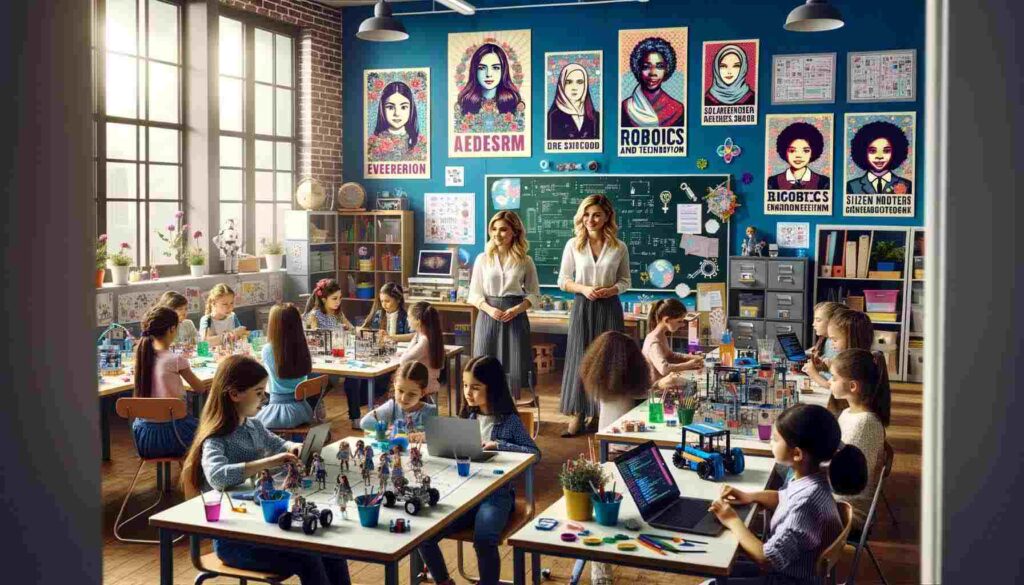
Integration of artificial intelligence as an important perspective on the development and application of gender equality is an important step to reveal the potential of this technology literally. The implementation of policies and practices that promote gender equality in artificial intelligence technology is the key to the fair, comprehensive and varied future of technology. Every step to take in this process will contribute not only to technological progress, but also to the society to achieve a more equality and fair structure in a broad frame.
Despite the problems of gender equality in the field of artificial intelligence, there is a big transformation between the professions affected by artificial intelligence. For details Professions Changing with "Yapay Intelligence: Great Transformation of the Future" You can review our article.
CreatorAmazon'un Robotik ve AI Stratejisi: Sequioa ve Endüstriyel İnovasyonu

Geleceğin Mesleklerinin Türkiye'deki Üniversitelerde Açılacak Bölümleri