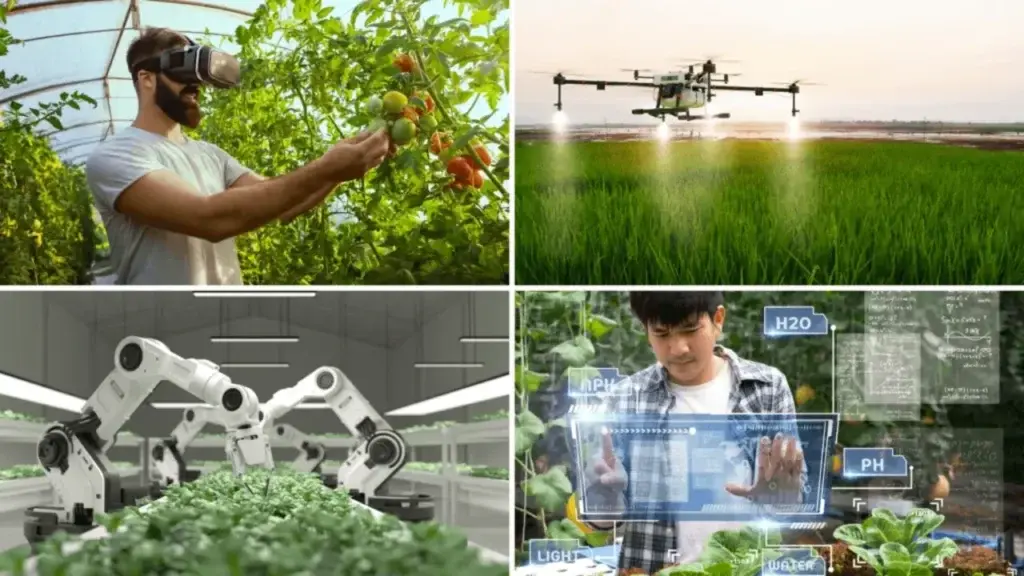
Revolution in Agriculture with Artificial Intelligence and 3D Printing: Plant Cultivation Methods of the Future!
Automatically translated
 Creator
Today, agricultural applications and techniques are fast conversion with the influence of advanced technologies such as AI (YZ) and 3D printing. These technologies offer new ways to improve the efficiency of agricultural production and reduce environmental impact. In particular, a new and exciting research made in agriculture, combined laser screening and 3D printing technologies, sugar beet plant created a detailed and precise 3D model.
21. Role of New Technologies in Agriculture of the Century
This model enables us to understand and manage the growth and development processes of the plant better. This technological innovation is seen as an important step in AI-supported plant breeding processes. These processes use the ability of genetic diversity and adaptation to make plants more resistant and productive. Therefore, this 3D modeling technology will shape the future of plant breeding and agricultural production techniques.
3D Model of Sugar Pancar Plant
This leading study performed on sugar beet is an exciting milestone in plant science. This study offers innovative and revolutionary qualities to be used in plant breeding by scanning the soil parts of the plant and producing 3D models. Skilled and experienced scientists from the prestigious Sugar Pancar Research Institute in Gothenburg have scanned a real sugar beet plant both sensitive and detailedly using advanced technology laser scanning technology. They created a real-sized, impressive model in a commercial 3D printer using this valuable data. These models are extremely useful in plant breeding and genetic studies and can be used as reference material in field experiments and laboratory studies. This study will shape the future direction of plant science and open new horizons in plant breeding.
Modern Plant Fenoodizing
Modern plant breeding works by using a number of advanced technologies and adopting an approach based on data. This process contains selection of certain features using machine learning algorithms and sophisticated imaging technologies. This science, known as "Plant phenotype", collect detailed information and measurements about plants, and use this information to better understand the genetic potential and environmental interactions of plants.
In the past, these information and measurements were often collected manually, which was a clear process to both time-consuming and errors. However, these measurements are often performed by artificial intelligence-supported automatic systems. These systems can measure plant growth parameters, leaf shapes and sizes, fruit quality and many other features much faster and more precisely. This helps plant reclamars understand the genetic properties and environmental interactions of plants faster and more accurately.
Importance of Accurate Reference Materials
The effectiveness of sensor-based data collection systems in plant breeding largely depends on the presence of correct reference materials. This ensures accurate measurement and evaluation of various factors. Therefore, real-sized plant models manufactured with 3D printing play a very large role in phenotype processes. These models allow us to better understand how plants grow in real life and how they react. Real size models include complex three-dimensional properties that are not only available in computer or two-dimensional representation shapes. This allows us to better understand how plants grow in real life and how they react. This makes sensor-based data collection systems work more accurate and effective.
3D Printing For Global Research and Applications
The 3D printing model of sugar beet plant is free downloadable, allowing scientists around the world to recreate this model. 3D printing is economical, this approach can also be applied in limited areas such as developing countries.
You can withdraw your interest: Yeah Tarlaler with Artificial Intelligence: Smart Farming Revolution
This approach is not only limited to sugar beet. The new study released in GigaScience shows how the combination of AI, 3D printing and sensor technologies can contribute to plant breeding of the future. This offers an innovative way to help feed the world population with healthy and tasty products.
Future Applications and Benefits
GigaScience data scientist Chris Armit is the value of a "Printable 3D model, you can print one copy for each plant area. As a low-cost phenotype strategy, when the main cost is LIDAR scanner, it would be great to see that this approach is tested in other plants that need low-cost phenotype solutions such as rice or African crops.
The use of artificial intelligence and 3D printing technologies in agriculture offers revolutionary innovations in plant breeding and phenotype processes. In the leadership of the use of these technologies, it is aimed to better understand the genetic structure of plants and optimize agricultural practices. Thanks to artificial intelligence and 3D printing technologies, it can be achieved to increase efficiency in agriculture and be more consistent and comparable to agricultural research and applications worldwide.
Such technological developments are important elements that shape the future of agriculture. Studies conducted show that these technologies used in plant breeding and phenotype processes contribute to the development of healthier and efficient plant species in the future, providing significant support to global food safety. Therefore, the use of artificial intelligence and 3D printing technologies in agriculture is important in terms of scientific research and technological developments in this sector.
CreatorEve Coach: İş Stresiyle Mücadelede Yapay Zeka Desteği


Amazon'un ChatGPT'yle Rekabet Edecek Yeni Yapay Zeka Aracı: Metis