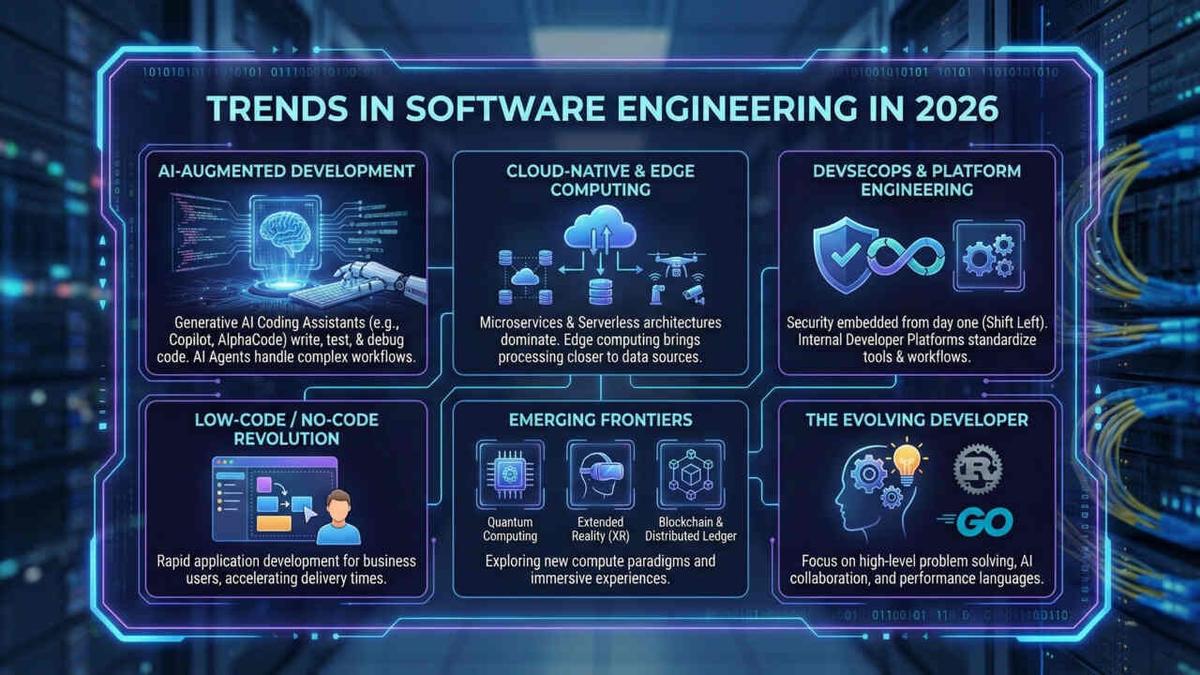
2026 AI Trends in Software Engineering
Automatically translated
 Writer
The software engineering is preparing to pass through rooted change processes while entering 2026. Now the matter is not just writing faster and accurate code, using and implementing artificial intelligence-supported approaches to create agenda. In particular, the concept of “system pleasure” (system taste) started to speak quite much in human-epay intelligence collaboration, LLM-based coding tools and software architecture.
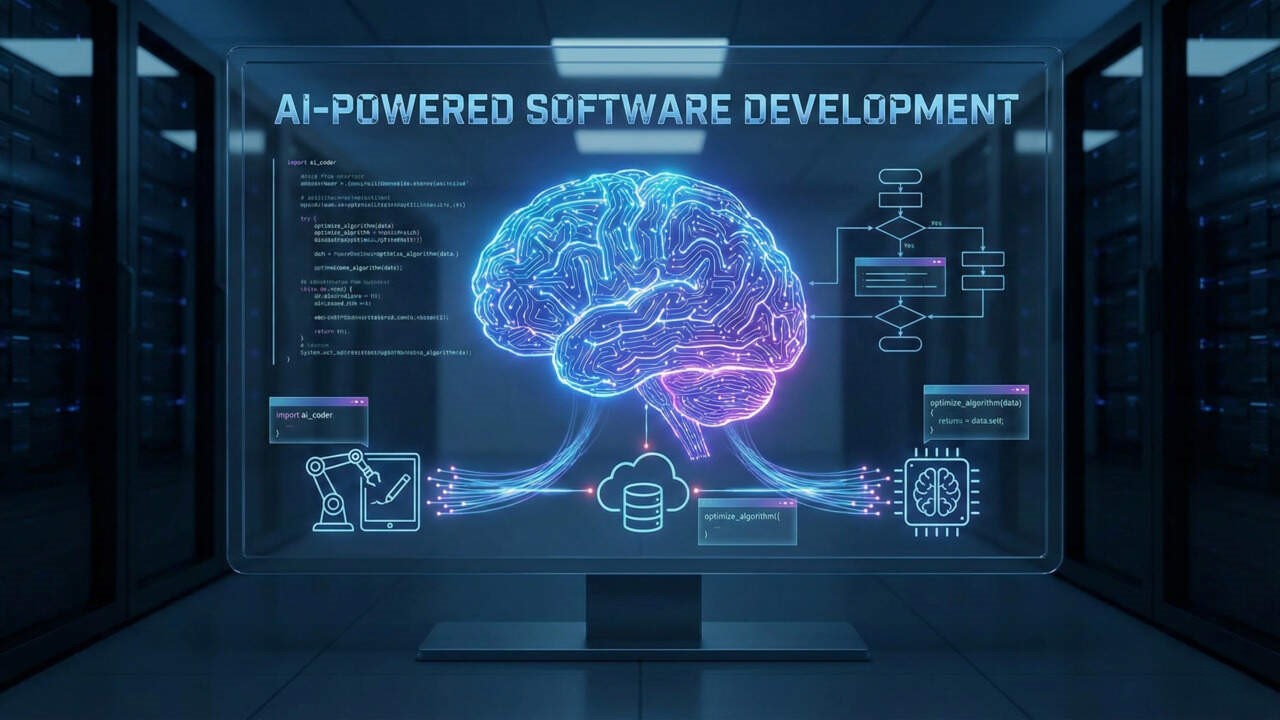
The contribution of artificial intelligence to software development processes changes the work formats of both individual developers and corporate teams. In 2026, this change will be a period that we will live faster. This process converts the software engineering into a more productive and more decision-oriented mechanism alongside transactions such as code writing and debugging.
How to Shape AI Supported Software Development in 2026?
Artificial intelligence as of 2026 software development almost all of the processes came to a helpful position. Those who follow the topic closely will notice that great leaps look close. Although not exactly common, code writing, testing creation, documentation creation is largely moving through AI-supported tools. Developers began to redirect the code templates generated by artificial intelligence instead of writing code from scratch.
With these approaches, software processes are quite shortened and increase quality standards. Error rates in large projects can be used as correction numbers. Thanks to the automation of artificial intelligence tools in repeating problems in these workflows and projects, teams can focus more on architectural decisions. That’s why we’re at the beginning of a process that will change the software industry from root.
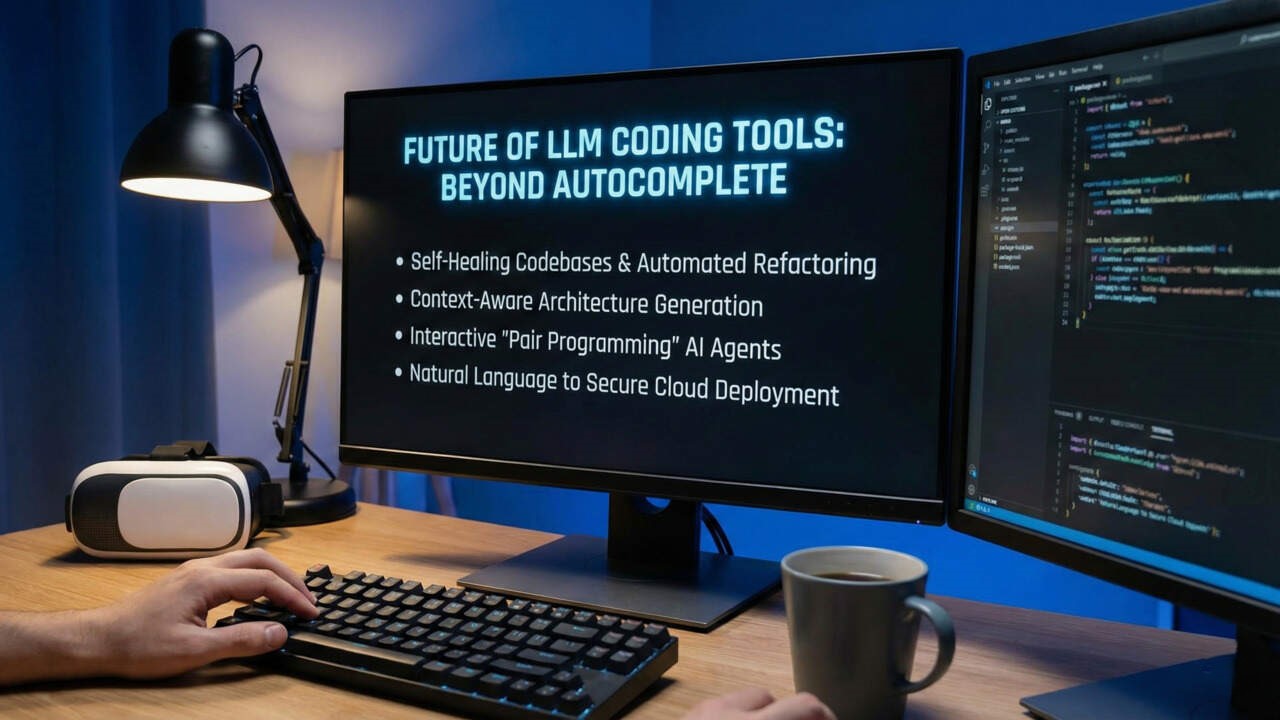
Future of LLM Coding Tools
Big language models Home (LLM) based coding tools appeared in 2026 to be tools that recommend code now. These systems are briefly;
- Understanding project context,
- produces solutions that are compatible with existing code architecture,
- Can detect security open in advance,
- Performance improvement recommendations are available.
- Performance improvement recommendations are available.
So, developers who write code are now turning into the engineer profile that thinks, directs and supervises with AI instead of extracting the negatives individually. LLM AI tools are working as a developer that helps to stack. At this point, it is possible to see the full harmony of human-epay intelligence association. In short-term AI development, we can see this ease and direction to go. It can also be called only as a start. Developments will increase by expanding after this stage. There is no risks in this regard. For example, a misled LLM can scale the error very quickly. Therefore, human-machine control will become very important issues in 2026 years we have started.
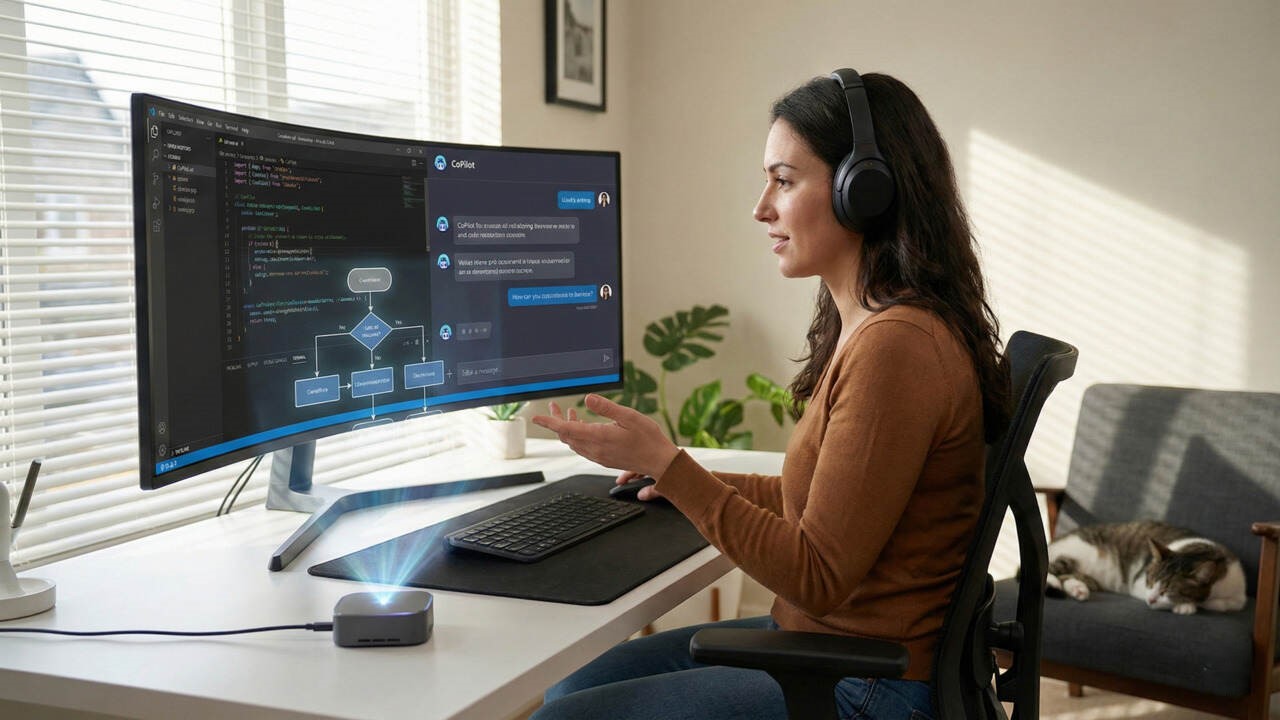
Human-Art Intelligence Business Association in Software
In the center of software trends, this year will be in cooperation with human-pay intelligence. While AI produces fast and scalable solutions, the human’s developer context orphans, ethical valuation criteria and creative problem solving skills process is completed. Thanks to this collaboration that is discussed too;
- Complex work rules are modeled more accurately,
- User-oriented solutions stand out,
- Technical risk is noticed in the earlier stage.
Success-oriented teams see artificial intelligence as a team member, not risk at this stage. When this collaboration is not positioned correctly, AI turns into an unfunctional interface. Not only provide any contribution following the directives, but it does not provide benefits for anyone. In the future, there is no need for developers, the correct follow-up of human-pay intelligence business union.
“System Pleasure” Concept in Software Architecture
One of the concepts we’ll be the most of us as of the year we’re located in will be the case of system pleasure. This states that only software architecture is readable, sustainable and aesthetically balanced by passing beyond a step. AI-supported vehicles work by following architectural patterns. Offers more consistent, clean structure recommendations to developers. However, the last decision in this context still in the hands of the man. As we mentioned earlier, the concept of human-epay intelligence continues to be part of these processes and reveals such phenomena as system dispatch. Based on the basis, this term is used because the developer blends with its experience and makes processes more organic and enjoyable.
Software Engineering Comes More Strategically
2026 software engineering trends HomeIn the technical angle of the profession, the production area will turn into a strategic decision center. AI-supported software development, LLM coding tools, AI agents, system pleasure-oriented architectural insights are integrated to bring new dimensions to the industry. According to general interviews, software engineers stand out as they will lose their work. A approach to blending on both sides is located on the agenda of technology. In a positive sense, those who develop themselves can be a step ahead, and the world of software can change the size as quickly and previously not visible.
Generally positive and possible risks are as follows;
| Home | Advantages | Possible Risks | Management Strategy |
|---|---|---|---|
| AI Supported Code Development | Severe acceleration in development time, automation of repeating jobs, producing faster prototypes | Quickly multiply the wrong or incorrect code, excessive trust (over-reliance) | Human approved code review, test obligation |
| LLM Coding Tools | Binding sensitive code recommendations, technical debt detection, documentation production Home | Carrot solutions, architectural incompatible | Partial prompts, architectural guides |
| AI Agents (CI/CD) | Automatic testing, early debugging, reduced distribution risk | Risk to stop production with improper configuration | Manual override, multi-stage approval |
| Human-Artific Intelligence Business Association | More strategic engineering, creative solutions, increased decision quality | Liability blur, competence erosion u | Net role definitions, decision records |
| System Pleasure Oriented Architecture | Readable, sustainable and scalable systems | Extreme abstraction, “over-engineering” | Simplicity principle, regular architectural review |
| Data and Security Awareness | Secure products, regulatory compliance, user trust Home | Slowing in development speed | Risk-based security approach |
| Automation Intensive Processes | Reduction of operation costs, error rate | Delay of human intervention | Human control for critical thresholds |
| Scale with AI | Developing large systems with small teams | Single point dependency (vendor lock-in) | Multiple models and vehicle strategy |
WriterChatGPT Arama Motoru: Nasıl Çalışır ve SEO Nasıl Yapılır?


2050 Teknoloji Tahminleri: İnsan–Makine Birleşimi Yeni Bir Çağ Başlatıyor