




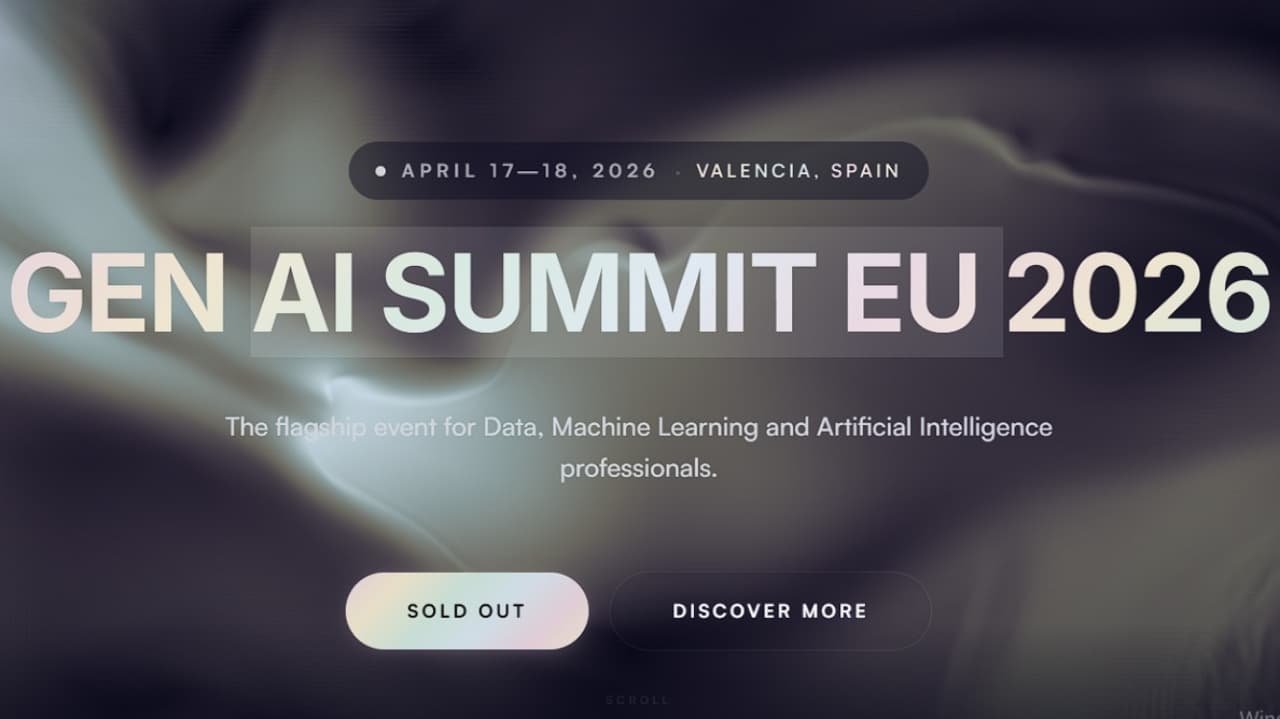
GenAI Summit 2026: Sector Transformation and New Trends
Automatically translated
 Writer
By 2026, the AI ecosystem had stopped being just an assistant tool and become the main backbone of workflows. GenAI Summit 2026 was not only a technical overview of this change but also a manifesto of the digital renaissance. The focus of the summit was less on theoretical promises and more on the fundamental, concrete transformations taking place in creative industries and the business world.
The New Era of AI: The Big Picture from the Summit
The Generative AI ecosystem gained fresh momentum in the first half of 2026 with summits and launches around the world. At the center of this process, the Generative AI Summit 2026 events have become a platform followed closely not only by technology enthusiasts but also by marketing directors, healthcare professionals, legal advisors and educators. The question is no longer just “What can AI do?” but “How are these technologies being used today, and how will they shape my industry tomorrow?”
The global AI market is expected to exceed 900 billion dollars in 2026. This figure is not just an abstract financial size. Each part of it points to a real business transformation, and the sum of decisions that affect how millions of employees work. The themes that stood out at the summit gain meaning right here: not a tool but a partner, not an assistant but a colleague.
Veo 3.1 — Cinema Quality Is Now for Everyone
Google’s April 2026 announcement went down as a turning point in the history of digital content creation: the Veo 3.1 video generation model was made available for free to all standard Google accounts. This step brought cinematic AI video generation, previously accessible only to enterprises or content creators with premium subscriptions, to billions of users.
What Does Veo 3.1 Actually Do?
Turning text prompts or uploaded photos into cinematic moving images, Veo 3.1 stands out as a model that can understand complex, director-like instructions, has realistic motion physics, and includes natural audio synthesis. The free tier offers 10 video generations per month and 720p resolution, and Google AI Pro subscribers can raise this quota to 50. For enterprise-scale use, generating 1,000 clips per month has become possible under Google AI Ultra.
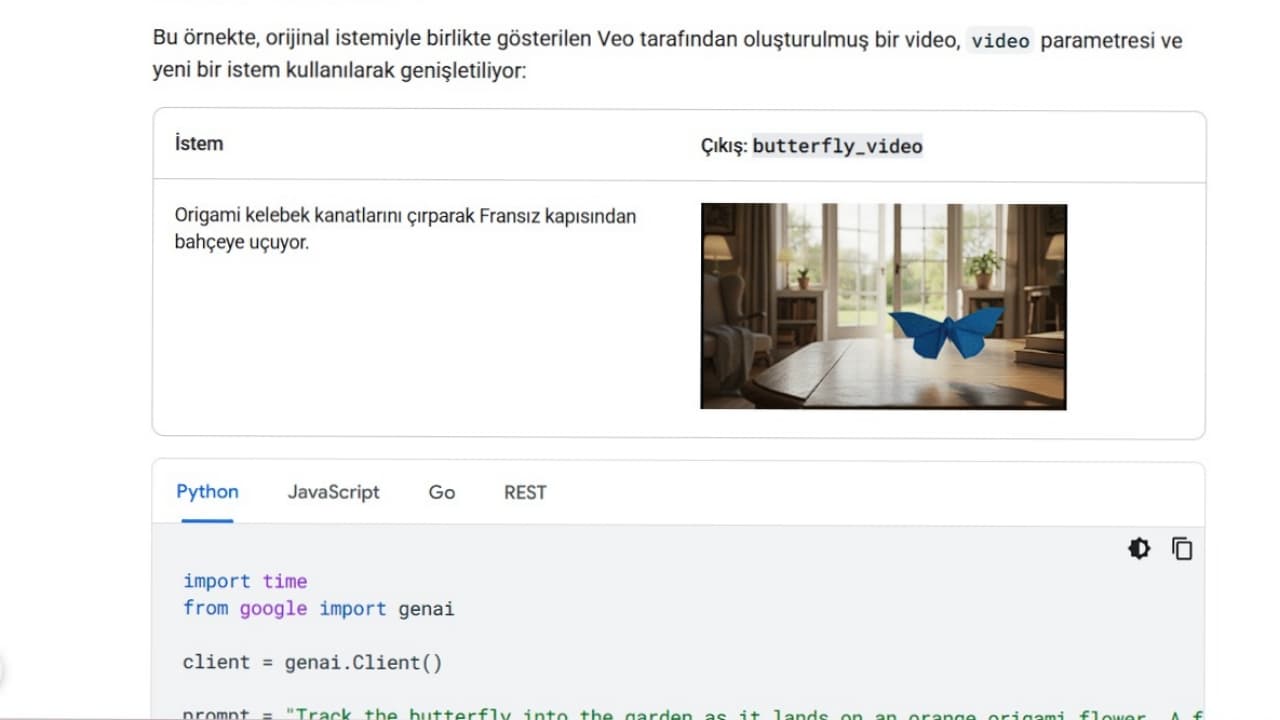
Advertising agencies can generate reference clips directly instead of storyboards right after receiving a client brief. Education platforms are cutting production costs by converting course materials from text to video. YouTube creators are covering their shoots entirely with AI-assisted clips. The ability to turn product photos into animation is dramatically shortening visual production times in e-commerce.
Lyria 3 — Democratizing Music Composition
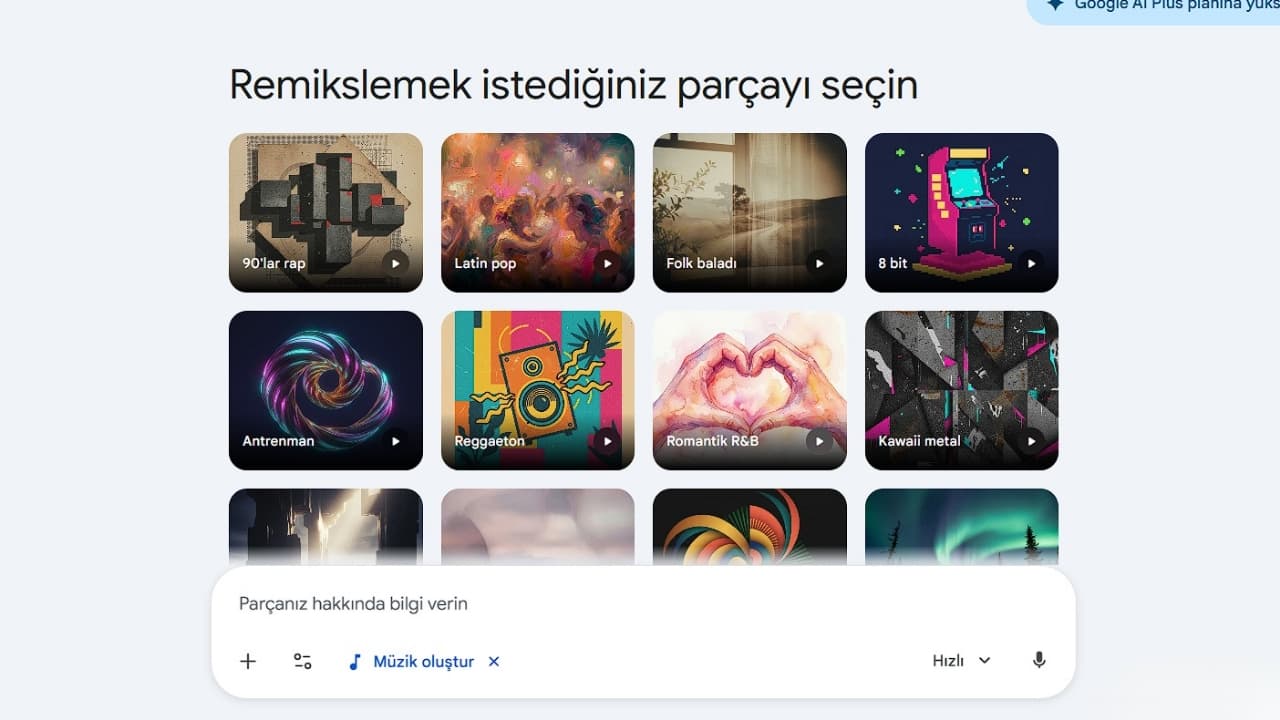
AI-powered music generation has existed for a long time, but the spread of Lyria 3 in 2026 fundamentally redefined this field. Announced as Google’s most advanced music generation model, Lyria 3 stands out in two main usage forms: lyria-3-clip-preview for short 30-second clips, and lyria-3-pro-preview, which offers production capacity of up to 184 seconds for full-length songs and scores.
What sets Lyria 3 apart from earlier-generation tools is its ability to understand emotional context and narrative flow. It can create music that automatically adapts to the scene transitions and emotional tone of a video project. It also allows users to create a complete short video with a single text prompt, including audio background, music score, visuals and transition effects.
For production musicians, Lyria 3 is positioned as a tool that speeds up demo and draft production. For creative agencies, it is a strategic capability that makes it possible to produce original, brand-specific scores while eliminating music licensing costs and delays. The DashReels platform reports that, thanks to its integration of Lyria 2 (and then Lyria 3), users can create music synchronized with the emotional tone and rhythm of their content.
The fact that both Veo 3.1 and Lyria 3 are offered integrated within the Google Vids ecosystem signals something: it is now possible to produce professional-quality content within a single workflow, without having to combine separate video, music and avatar tools. This integrated structure opens the door to direct competition with platforms such as Microsoft 365 and Adobe Creative Suite.
Other Heavyweights at the Summit: Runway Gen-4, Adobe Firefly and Kling 3.0 Pro
The summit was not limited to Google’s models. Other major players in the sector also presented their 2026 visions, demonstrating that AI is not just a production tool but a complete creative ecosystem.
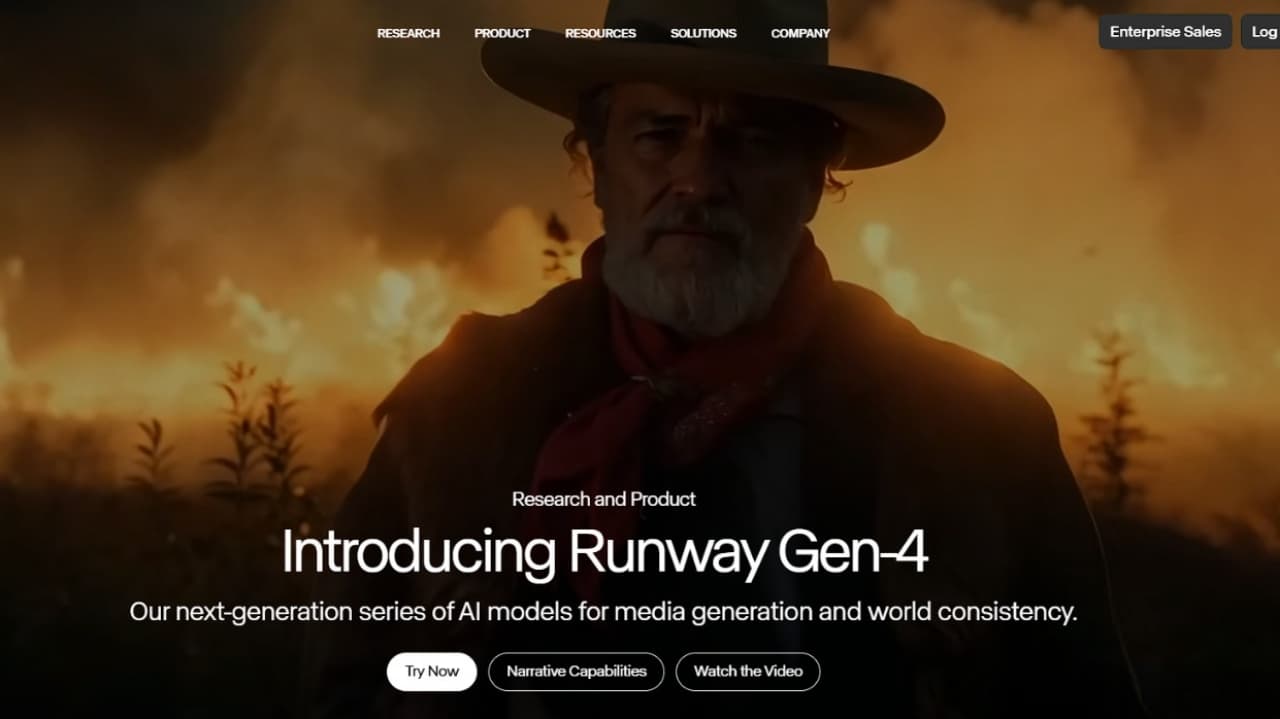
Runway Gen-4: The “Universal World Model” and Beyond
With Runway Gen-4, AI has moved beyond being a box that predicts pixels and become a “Universal World Model” that understands gravity, light refraction and object permanence.
· GVFX: “Rotoscoping” and “matchmoving” processes that take months in traditional visual effects workflows are now done in real time. In a live-action scene, you can turn an ordinary glass in an actor’s hand into a burning torch within seconds, following the rules of physics.
· Camera Control: Gen-4 does not just generate scenes. It gives directors unlimited camera manipulation, as if they were using a digital crane or drone inside the scene.
Adobe Firefly Video: Seamless Integration with Premiere Pro
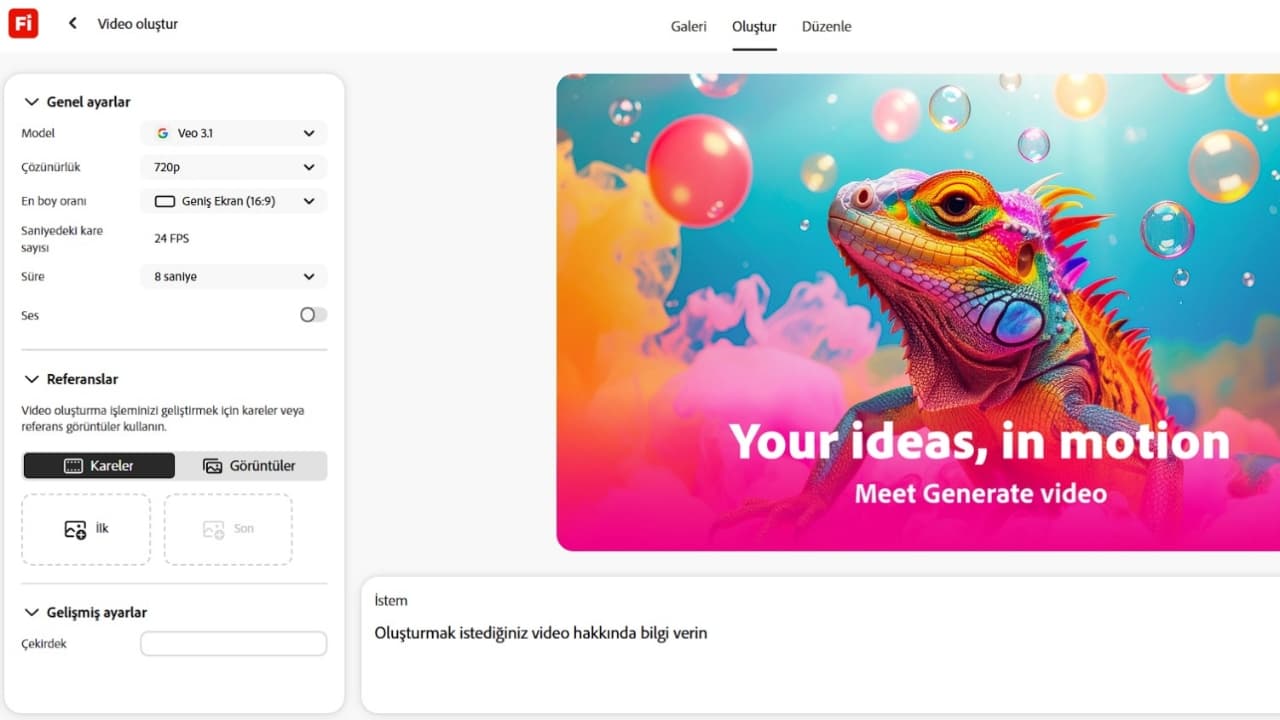
Adobe brought AI into the heart of the professional editing desk, Premiere Pro, by leveraging the power of the Creative Cloud ecosystem.
· Generative Extension: Did a shot come out 2 seconds short? Firefly continues the scene with AI, without disrupting the character’s movements or the ambient sound.
· Object Addition/Removal: A set piece that needs to be added later, or a microphone that accidentally enters the frame, is handled with pixel-perfect precision just by giving a command. Firefly’s biggest difference is that all these processes are safe for commercial use.
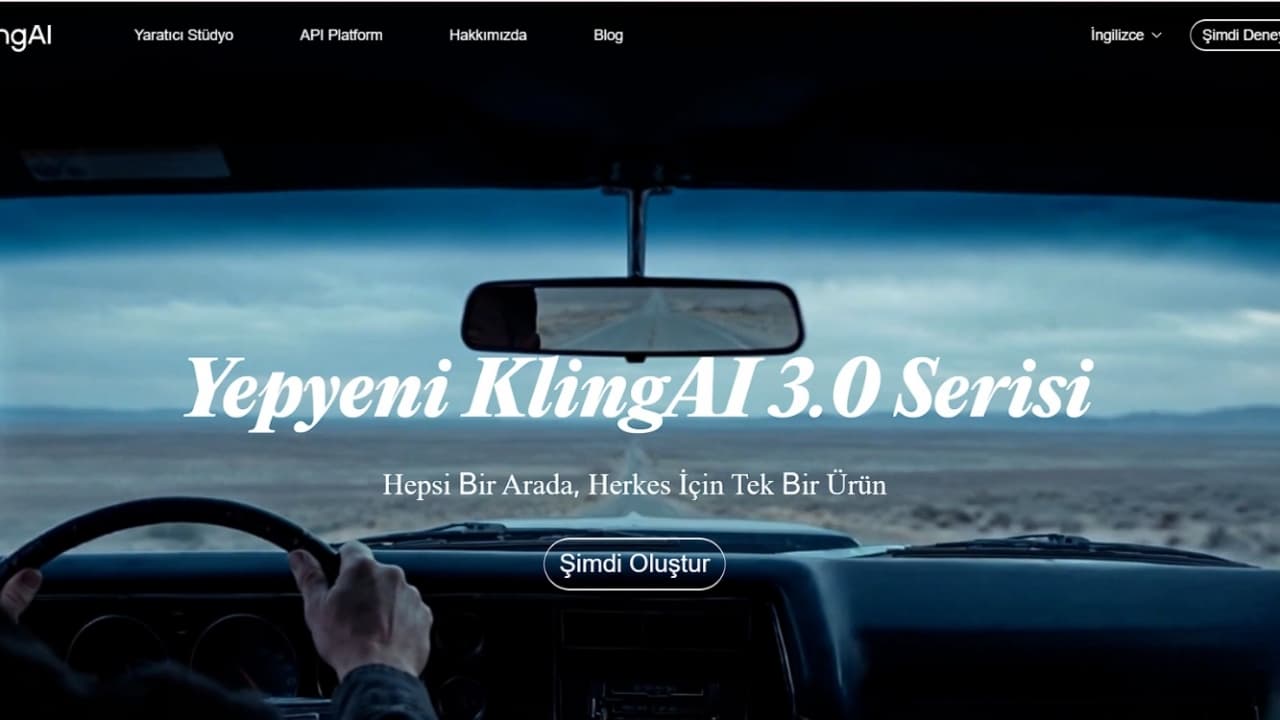
Kling 3.0 Pro: Hyper-Realism Rising from Asia
Kling 3.0 Pro, the summit’s “dark horse” especially in character consistency, is changing the fate of long-form narratives.
· Hyper-Motion: The model analyzes human anatomy and micro-expressions down to the finest detail, and has completely eliminated the familiar artificial feel of AI-generated videos.
· Multi-Shot Support: Its most impressive feature is that it can generate the same scene from different angles (close-up, wide shot, over-the-shoulder) without changing the character’s appearance or the texture of the location by even a millimeter. This is recorded as the moment when the continuity problem between scenes was truly solved for the first time in AI history.
Work Practices After 2026: AI Diagnostic Tools and Efficiency
One of the most critical trends emphasized at the summit was the sector-wide integration of AI Diagnostic Tools. These tools minimize the margin of error not only in healthcare but in every area, from financial analysis to industrial maintenance processes.
· Predictive Analysis: Businesses are developing strategies with diagnostic algorithms that detect potential crises before they form.
· Personalized Workflows: GenAI 2026 trends point to a world where every employee works with their own AI twin. This means routine tasks are automated and human labor is fully focused on strategic creativity.
Autonomous Agents and Enterprise Transformation
Another critical theme at the 2026 GenAI Summit is the integration of autonomous AI agents into enterprise workflows. We are no longer talking only about systems that answer a specific question or write text. We are talking about process managers that analyze finances, prepare legal documents, classify customer requests and optimize supply chain decisions without requiring human intervention.
Concrete Enterprise Gains
In finance, JP Morgan’s AI agents have been documented to significantly reduce fraud rates and save hundreds of millions of dollars a year. Computer Use tools integrated with Google AI Pro and Gemini 3.1 enable autonomous systems that take over routine coding tasks for software developers. Agentic AI usage is expected to rise dramatically in enterprise applications by the end of 2026.
Looking Ahead: The Legacy of Generative AI Summit 2026
The AI trends of 2026 teach us one thing: those who think alongside these technologies, rather than competing with them, will build a scalable advantage. Video production with Veo 3.1, music composition with Lyria 3, diagnostic processes, and enterprise operations with autonomous agents: the transformation across all these areas gives those who act today a decisive position in tomorrow’s competitive landscape. The question should no longer be “Shall we start?” but “How and how fast should we integrate?”
The Generative AI Summit 2026 proved that AI has moved beyond being a “trend” to become the basic operating system of modern civilization. The transformation after 2026 will be a period when technology becomes invisible yet its impact is more evident than ever. The question is no longer how to use technology, but how to build new worlds with it.
For professionals, the key to staying relevant in this new era will be the ability to combine these powerful tools with visionary projects, rather than getting bogged down in technical details. AI trends for 2026 whisper a single thing: the boundary is now our imagination, and the tools are already here.
WriterMusk’tan Sürpriz Hamle: SpaceXAI ve Anthropic El Sıkıştı!
Unity AI ile Oyun Yapımı: Araçlar, Krediler ve Fiyatlar


