A New Umu in Artificial Intelligence Epilepsy Diagnosis Tags
Automatically translated
 Writer
The diagnostic process of neurological diseases is one of the most demanding areas of clinical medicine. The complexity of biological signals, data ranging from patient to patient, and electrical noises, a clear diagnosis is often difficult. epilepsi, which affects more than 50 million people worldwide, is one of the most prominent examples of this table. The developments in health technologies in the past period are especially going beyond the classic methods of artificial intelligence epilepsy research.
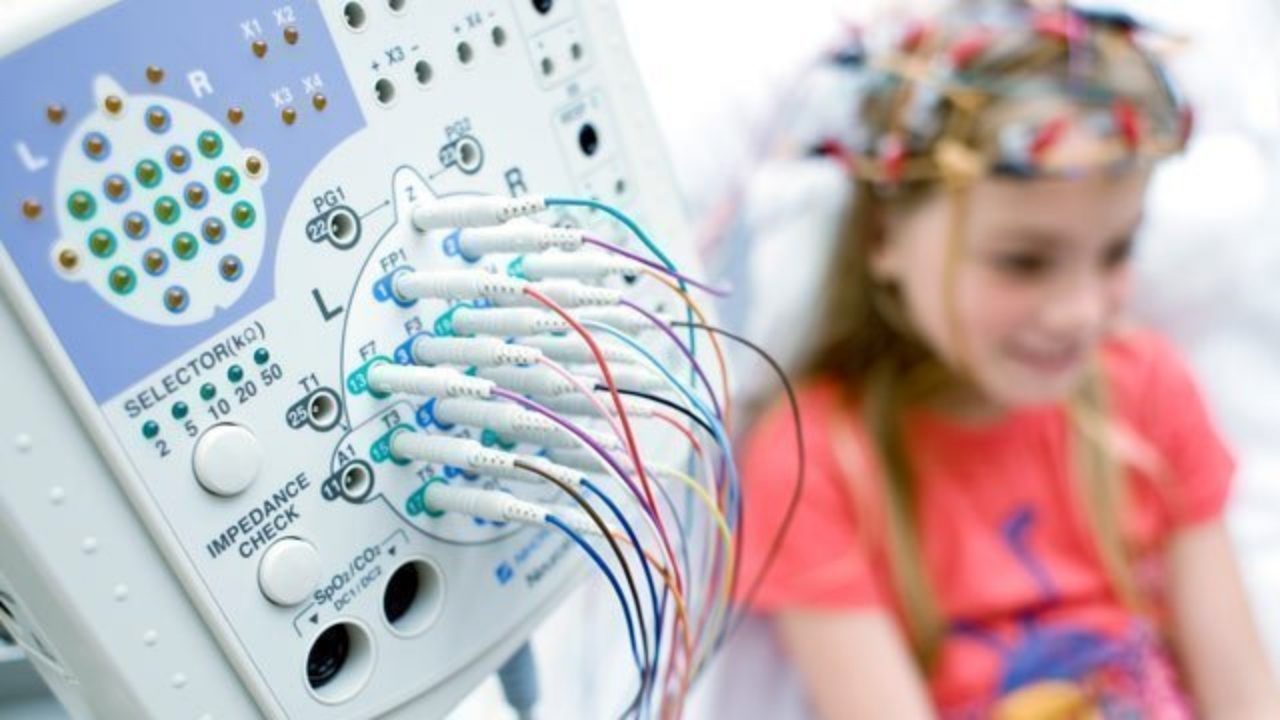
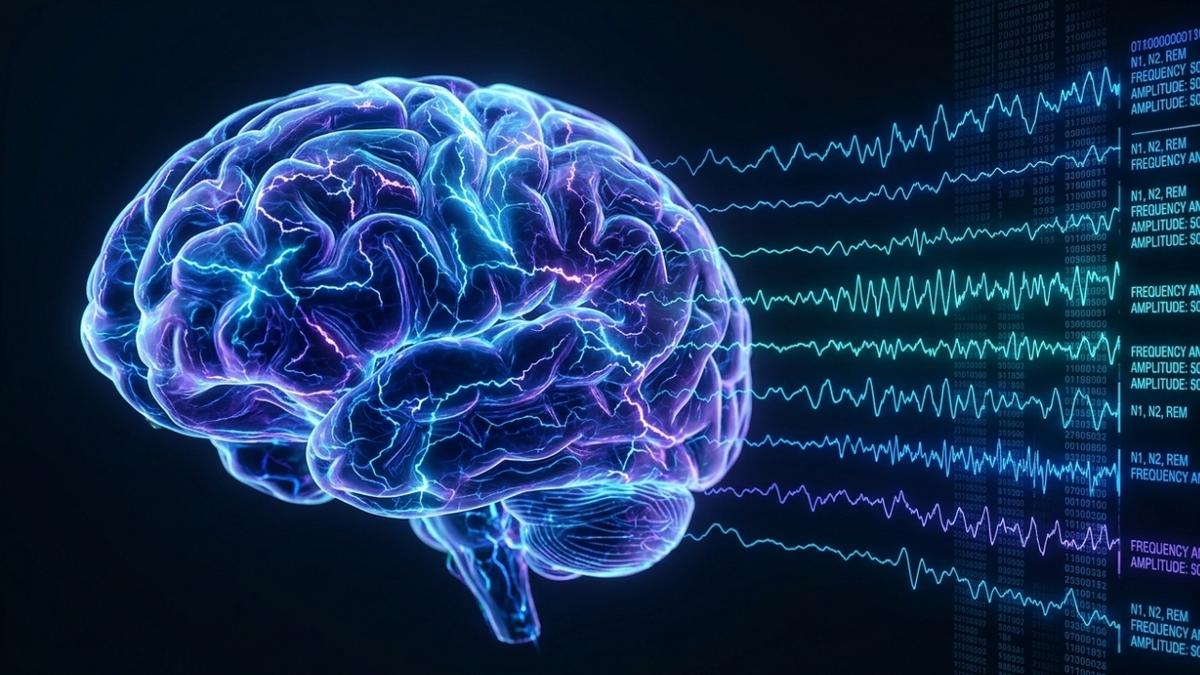
Micro-level electrical fluctuations in traditional electroensefalography (EEG analysis) processes are forced to capture human eye or standard filters, thanks to its new generation deep learning architectures, it is much faster and consistent. One of the most concrete evidence of this conversion is direct PLOS ONE Magazine Updated work released. The researchers reached remarkable results with a hybrid artificial intelligence model that they developed on Dravet syndrome, a rare epilepsy type, which can lead to severe neurodevelopmental problems in childhood.
Why Do We Race With Time In Dravet Syndrome Diagnosis?
Dravet syndrome, known as the Heavy Duty Myoklonic Epilepsy (SMEI) of milk childhood, is a highly aggressive epileptic encephalopathy, which often manifests itself with fired or fireless seizures in the first 4 to 9. mutation is seen in SCN1A gene, which coded sodium channels in about 80%–85 of cases; the clinical picture remains the same even if the genetic test is negative.
The most annoying point of work is: routine EEG records taken in the first months of the disease often give completely normal or unspecified results. Characteristic dictating-wave discharges are often pronounced after passing the child 1–2 years. This leads to a serious diagnosis delay in child neurology. As mentioned rare tables Early diagnosis is completely changing the course of the treatment process.
Early purification of the clinical picture and new face of early diagnosis in artificial intelligence health In particular, he plays a critical role in managing two basic risk:
Prevent False Drug Use: Sodium channel blockers (carbamazepin, phenitoin or lamotrijin), which are often applied in normal epilepsy, can make it much more dangerous instead of reducing seizures when given to a child with Dravet syndrome, and can trigger unstopable seizures (status epileptikus).
To Start On Time To The Right Treatment: It is important to pass early to appropriate regimes such as cloobazam, valproat, stipentol, phenofluramin or canabidiol, to minimize the recovery of the child in the mental and motor development.
In a medium where comprehensive genetic test results can last weeks, even months; having an artificial intelligence tool capable of capturing hidden signals from the first EEG taken, creating a huge advantage in clinical perspective.
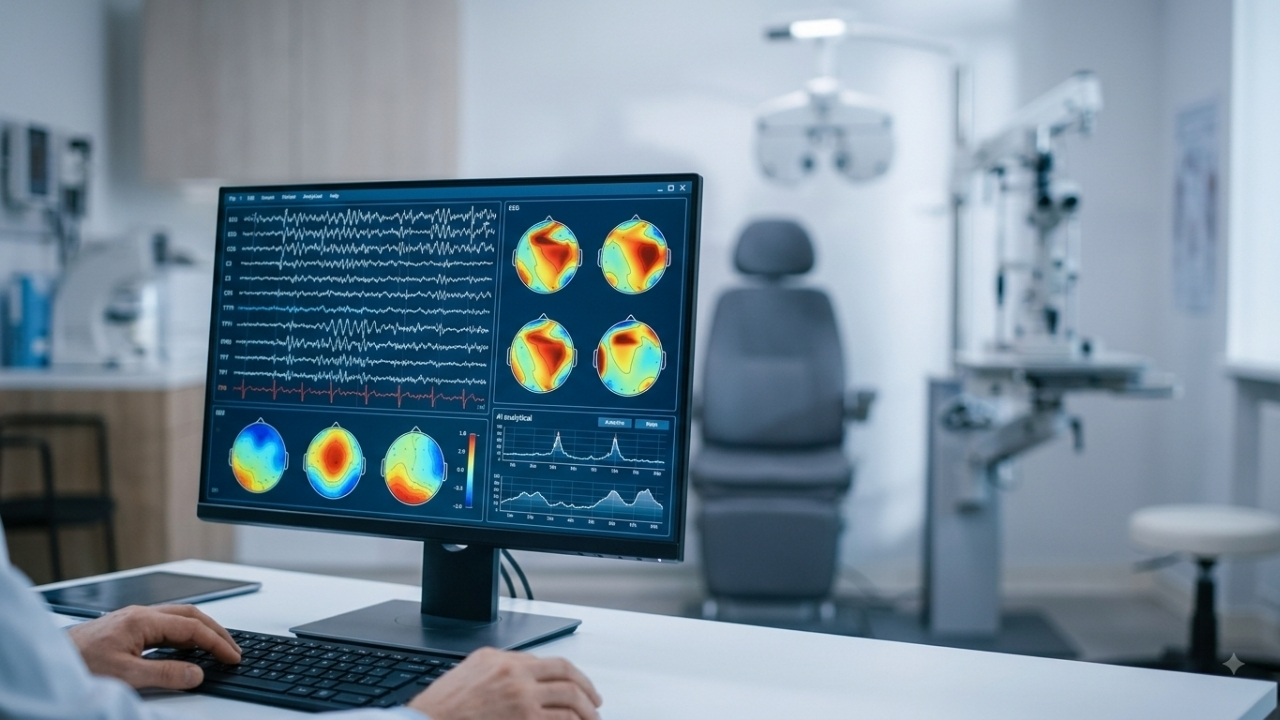
Background of Research: How does Hybrid CNN-LSTM Model Work?
In this study conducted in cooperation with King Fahad Specialist Hospital Dammam (KFSHD) and Pakistan NUST University; children with genetic or clinically verified Dravet syndrome were examined in detail the pediatric abnormal group and age-compatible healthy control group, diagnosed with non- syndrome epilepsy.
The researchers preferd a pretreatment that protects the original physiology of the signal rather than artificially converting the data and transferred them to the hybrid model:
1. Why Choose 8 Channel Cz Reference?
The contraction of temporal muscles in Rutin EEG shots creates high frequency parasites (gamma artifacts) and can burn models. The team built a 8-channel mounting on the head to block this situation (Cz electrodunu) reference area. Thus, when scanning the brain’s front, mid and hill regions, the calculation load was not inflated anywhere unnecessary.
2. 2. Power Union of Two Different Network
CNN (Convolusional Nervous Network): Focusing on the positions of the electrodes on the head, the electrical anomalies are mapped in which brain regions are caused.
LSTM (Long Short Time Memory): Since EEG is a time-series data, it is solutioning the nucleus flow of waves and the cartilage of sudden discharges in memory.
3. Difference That Pre-Speaked (Pre-trained) Model Creates
The biggest problem in rare diseases is that there is not enough patient data. In the study, the model trained from scratch was compared with a pre-trained model with the general EEG data:
Model Type | Success / Balanced Accuracy | F1-Skoru | ROC–AUC Score | Class Discrete |
|---|---|---|---|---|
Resetd (Non-Pretrained) | Low | Low | Low | Other epilepsys with Dravet mixed together very often. |
Pre-Strained (Pre-Trained) | 85% | 0.85 | 0.87 | Three groups managed to separate from each other with high precision. |
The results show that although the number of restricted patients when used in representation learning (representation learning) the model reaches a highly consistent performance, such as 85% general accuracy and 0.87 ROC-AUC.
Why Reliable? LOSO Strategy Against Data Leak
The most frequent error in machine learning models in biomedical field is to distribute the data of the same patient's different clocks into both educational and test set (data). This condition causes the model to memorize and take high scores artificially.
In this study, Leave-One-Subject-Out (LOSO) method was used. So the model was trained with the data of patients who are completely separated all the EEG records of a patient, then tested on the data of this independent patient, which he never seen. 85% of success is achieved by this method, proves that the model can actually establish a generalable logic to new patients.
Next Barriers on Clinical Rutine Transition
This kind of AI health solutions must be completed from the laboratory environment and to be applied routinely such as a prescription writer in hospitals. Home 5 pioneer chke, which converts health and artificial intelligence sector Tags The biotechnology and medical technology giants in the list also distinguish serious resources to clinical validation of algorithms in this direction:
Testing Different Hospital and Devices:
A system running at King Fahad Hospital’s data is required to test different EEG devices, different filter settings and multi-centered cohorts worldwide under variable clinical conditions.
Openable Artificial Intelligence (XAI):
To trust a algorithm of doctors, it is necessary to move away from the logic of "black box". The model says "Dravet Syndrome", which visualizes what frequency in the channel is suspicious (requests maps) Need.
Live Tracking Potential:
Currently, the work has been analyzed on the off-cycle (offline) via EEGs. The next goal is to convert this system into real-time systems that can process instant signal in emergency services and intensive care units.
The partner of a New Period in Neurology
Artificial intelligence in tables where early diagnosis is vital, such as Dravet syndrome, is not an independent decision mechanism that will replace the physician; it is positioned as a strong clinical assistant that speeds up the diagnostic process by filtering micro signals that human eye can be missed.
Pre-trained hybrid deep learning models have become one of the most functional tools we have to overcome data constraints in rare diseases. Genetic tests, clinical observations and instant EEG analysis are common with multi-mode artificial intelligence platforms that are processed together, ambiguities that last months for the diagnosis of epilepsy will remain behind and can start from the moment of the first seizures to the most accurate treatment for each patient.
WriterPan'ın Labirenti'nin Yönetmeni Yapay Zekaya Neden Karşı?


ChatGPT Gençler İçin: Öğrenim ve Güvenlik Odaklı Yeni Sürüm