AI Designed 16 New Viruses: How Big Is the Risk?
Automatically translated
 Writer
Generative AI has moved beyond text, image and code generation into a new era of directly modeling the rules of biological existence. Researchers at Stanford University and the Arc Institute have developed a next-generation genomic AI model that learns DNA sequences, the basic building blocks of biology. The system designed 16 new, fully functional viruses that have never been found in nature.
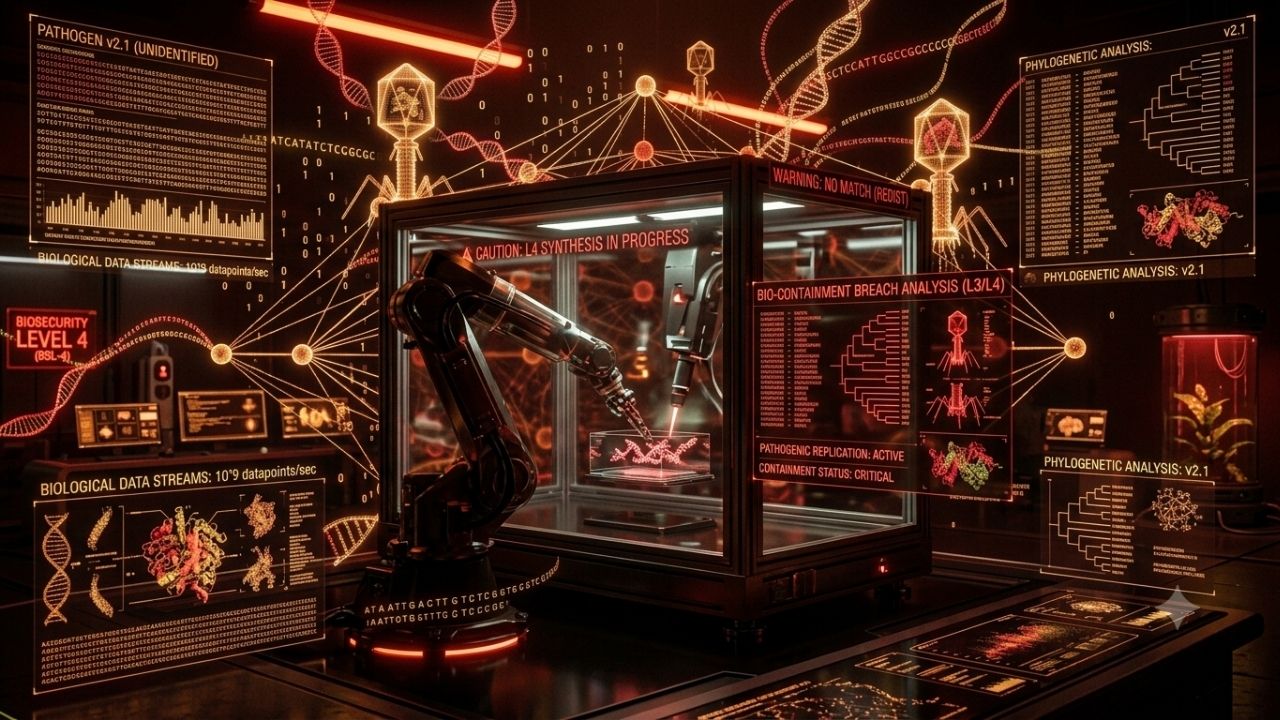
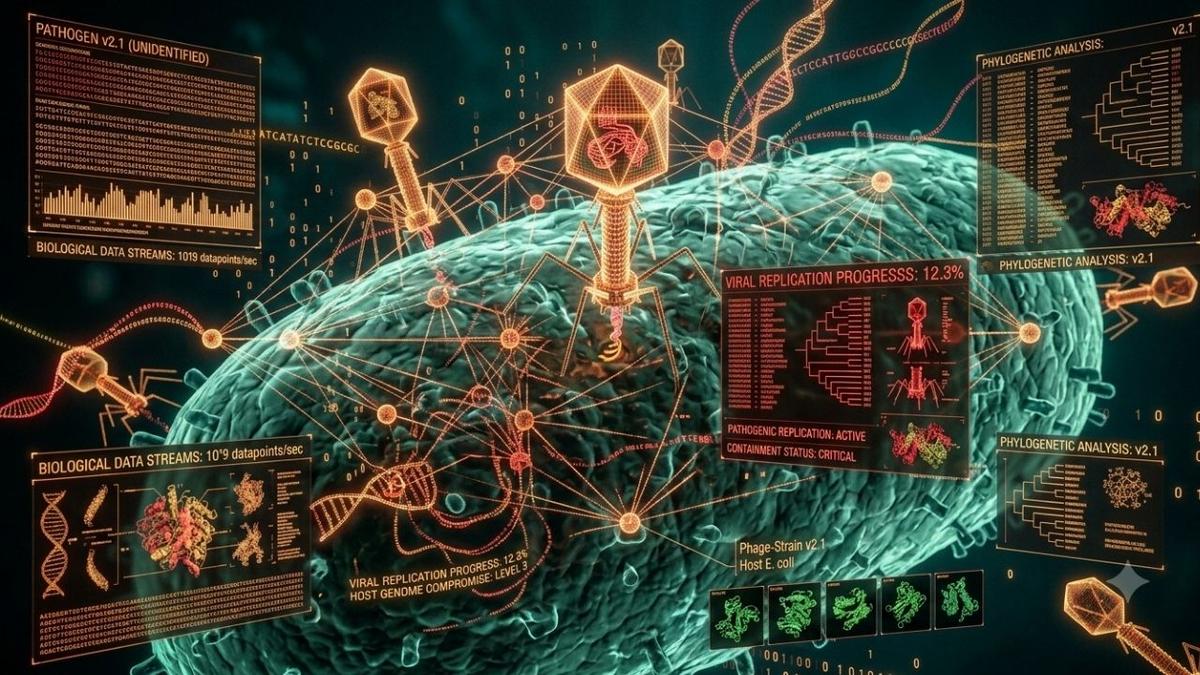
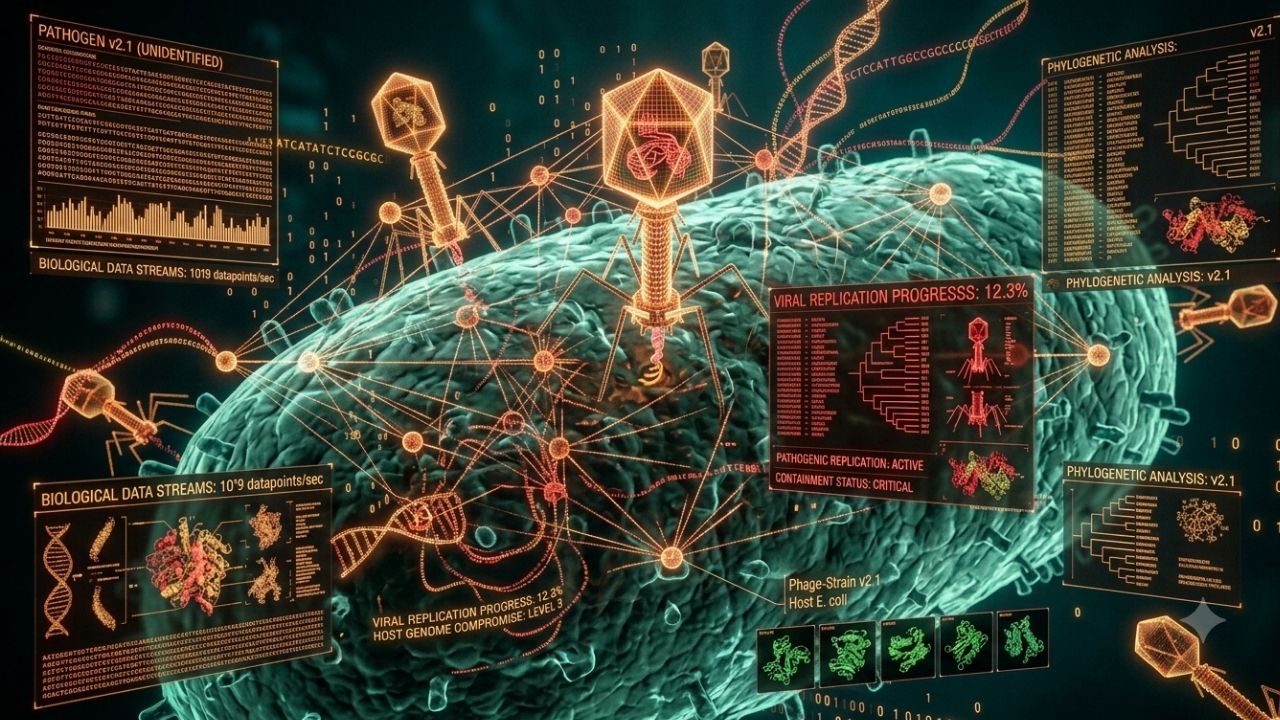
In the lab, these synthetic viruses were chemically synthesized and fully carried out all the basic biological functions: attaching to a target cell, transferring their genome, and replicating inside the host cell. Instead of human cells, these bacteriophages target E. coli bacteria, which can cause deadly infections. They open a new treatment path against superbugs, which are defined as a critical threat in World Health Organization antimicrobial resistance data. However, the ability of AI to design living organisms from scratch also brings biosecurity gaps and misuse risks on a global scale.
Decoding Life: Biological Intelligence Built from 9 Trillion Nucleotides
Traditional genetic engineering and virology work relied on copying the DNA or RNA sequences of organisms that already exist in nature, or modifying those sequences with methods such as CRISPR. These methods, however, depended on the limited templates that billions of years of evolution had provided. Mathematically formulating the rules by which nucleotides (A, T, C, G) are arranged to form living organisms was beyond human analytical capacity. The research team adapted deep learning architectures to genomic science with the Evo model research published in Science.
The working principle of the Evo system runs parallel to verification and robust decision-making mechanisms in large language models:
Large Language Models:
They analyze datasets of billions of words and statistically learn which sequences of words form meaningful sentences.
Genomic AI:
According to the technical analysis published by Tom's Hardware , Evo was trained on more than 9 trillion nucleotides, using over 128,000 genetic sequences collected from animals, plants, microbes and viruses. The model learned the sequence rules that produce functional proteins and organisms from nucleotides rather than letters. The results show that AI-biology integration is not just an analysis tool, but has become an independent design platform that produces biological architecture from scratch.
From 700,000 Possibilities to 16 Live Viruses: The Design and Synthesis Process
To verify the model's design capability, the Phi X-174 (ΦX174) phage was used as a reference. It has been considered one of the most fundamental model organisms in biology for more than 100 years. With only 11 genes and 5,386 nucleotides, this microscopic virus provided an ideal test ground because of its simple structure. Considering that the human genome consists of more than 3 billion nucleotides, the compact structure of Phi X-174 provided a controlled framework for AI's first de novo attempts.
After approximately 15,000 related genomes, along with Phi X-174, were introduced to the Evo model, the process unfolded in the following stages:
Digital Genome Generation:
Based on statistical rules, the model designed approximately 700,000 potential genome sequences that do not exist in nature.
Screening and Filtering:
285 candidate sequences with the highest structural stability and replication potential were selected for physical production.
Chemical Synthesis:
The digital sequence codes were converted into synthetic DNA molecules in the lab using chemical reagents.
Biological Activation:
The produced DNA sequences were introduced into test environments containing E. coli bacteria.
Experimental Verification:
Of the 285 candidates, 16 used the host cell machinery to produce viral proteins, completed capsid structures, infected bacteria, and multiplied into fully functional viruses.
Although these synthetic virus samples share basic genetic similarities with the reference Phi X-174, their extensive nucleotide sequence variations have led to their recording as original biological structures that had never existed on Earth before.
Medical Implications: "AI Phages" Against Antibiotic Resistance
Just as in advanced brain implants and AI applications that have led breakthroughs in neurological treatment, synthetic phage production directly creates a new solution area against antibiotic resistance, which threatens global health systems. While new AI-supported antibiotics such as NG1 and DN1, developed to break the resistance shields of superbacteria, are revolutionizing chemical molecule discovery, synthetic viruses take this fight to the level of direct biological programming.
Criterion | Traditional Antibiotics | Natural Bacteriophages | AI-Designed Phages (Evo) |
|---|---|---|---|
Mechanism of Action | Broad-spectrum action (damages natural microbiota) | Specific to the target bacterial species | Custom sequence based on the bacterium's resistance profile |
Resistance Development | Bacteria gain chemical resistance over time | Bacteria can develop resistance over time | AI rapidly generates new genomes that can overcome resistance |
Development Time | 10 to 15 years (high R&D cost) | Isolation from nature: months / years | Digital design: days / weeks |
Target Precision | Low to medium | High | Very high (precision engineering) |
Breaking Bacterial Resistance
The adaptive power of the AI-designed virus samples was confirmed by the following findings in tests:
Three different E. coli strains that had fully developed resistance to the standard Phi X-174 virus were isolated.
A synthetic virus cocktail designed by AI was applied to these resistant cultures, where natural viruses had been ineffective.
During the experiment, the synthetic phage populations adapted to the bacteria's new defense mechanisms, mutated, and completely eliminated all three resistant bacterial strains.
These results suggest that personalized phage treatments against specific infections could be calculated and synthesized within very short periods in the future.
Biosecurity Risks and the Dual-Use Threat
Just as with the ethical and verification crises surrounding AI doctors trusted on social media and expert profiles on digital platforms, the entry of algorithms into the biological world fundamentally shakes security protocols. In this new era, where the balance between AI and biosecurity goes beyond existing regulations, three main risks stand out:
The biotechnological achievement has triggered serious debates about security protocols and oversight mechanisms. In this new era, where the balance between AI and biosecurity goes beyond existing regulations, three main risks stand out:
1. The Dual-Use Problem
The genetic logic of systems targeting bacteria and that of pathogens targeting human cells are based on the same nucleotide rules. Although the Evo model used in the research was not trained on data about human pathogens, the possibility of applying the same methodology to dangerous viruses (for example, smallpox, Ebola or modified influenza strains) poses a global security gap.
2. Hardware and Synthesis Accessibility
Falling costs of DNA synthesis devices and the spread of desktop systems make it easier to turn digital designs into physical biological materials. The possibility of directly synthesizing codes produced digitally, without needing to steal biological samples, makes oversight processes more difficult.
3. Undetectable Genomes
Current international biosecurity filters screen against databases containing the genetic sequences of known dangerous pathogens. If an AI-virus sequence produced from scratch by AI does not appear in known hazard catalogs, there is a risk that it could bypass the automatic security filters of synthesis providers without being detected.
Security Measures and the Need for Regulation
The spread of genomic AI models makes it necessary to apply next-generation control standards in biosecurity:
Semantic Screening at Synthesis Facilities:
Screening DNA and RNA orders not only against known sequences but also with AI-supported functional pathogenicity prediction models.
Customer Verification Standards:
Tightening identity verification processes for institutions and researchers requesting genetic synthesis through international protocols.
Open Source Restrictions:
Instead of uncontrolled distribution of advanced models with biological design capability, providing access through supervised API infrastructures.
The Software Age of Biology and a Two-Sided Future
This study by researchers at Stanford and the Arc Institute concretely demonstrates that AI has begun to go beyond the boundaries of the digital world and shape physical and biological reality directly. This new paradigm, which uses the letters of DNA as a programming language and living cells as hardware, could be a massive turning point that fundamentally changes the history of medicine. In an age when superbugs render traditional drugs ineffective, the ability of AI to design bacteriophages in minutes and break down resistance shields may become the most powerful ally modern health systems have been seeking. However, the potential of the same algorithm to produce deadly pathogens simply by changing nucleotide sequences also reveals the dark risk behind the bright future technology promises.
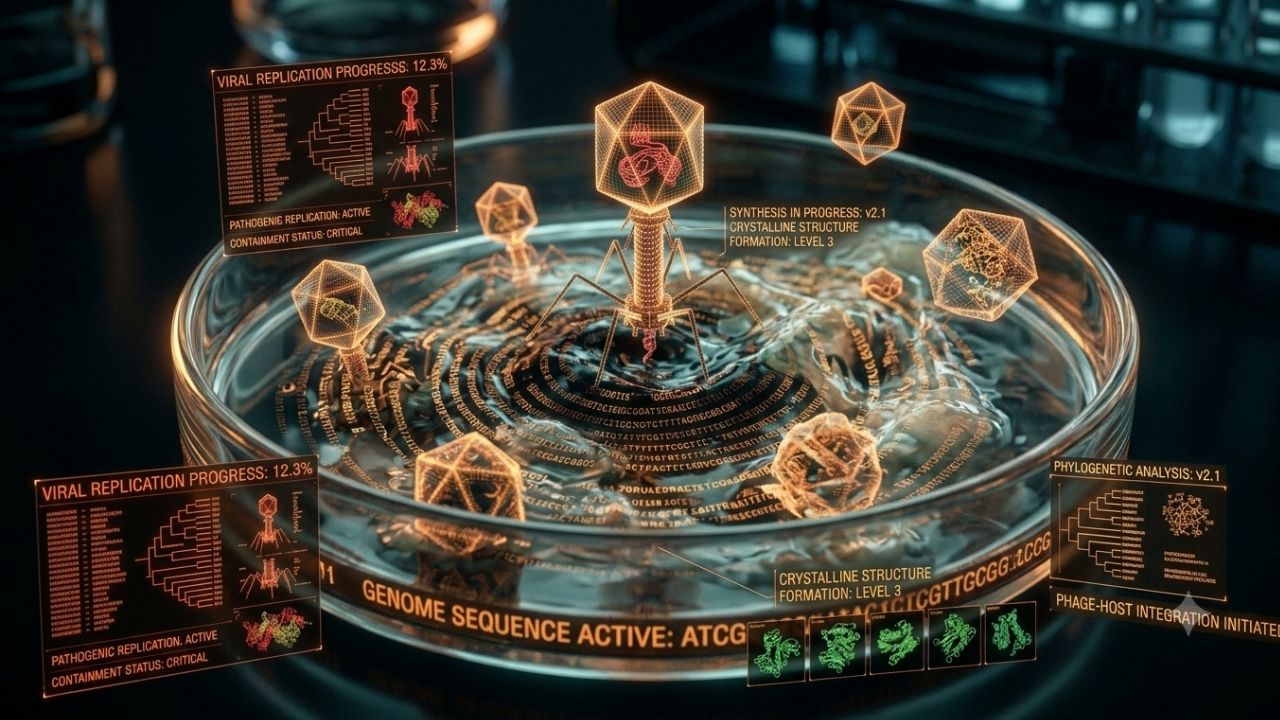
These results show that innovations such as AI systems that can calculate biological age by analyzing cellular mechanisms have been surpassed, and that AI-biology integration is no longer just an analysis tool but has become an independent design platform that produces biological architecture from scratch. At this point, the most critical test concerns global security mechanisms that cannot keep pace with the speed of scientific productivity. If international regulations, DNA synthesis oversight and ethical limits fail to keep up with the pace of AI development, this new age in which biology turns into software will bring global threats that are as uncontrollable as they are revolutionary for medicine. What will ultimately matter for humanity is the intentions behind the commands given to this intelligence that decodes the code of life.
WriterYapay Zeka Matematikte Onlarca Yıllık Soruları Çözüyor


Yapay Zekanın Babası Uyardı: Asi AI'lar Geliyor mu?