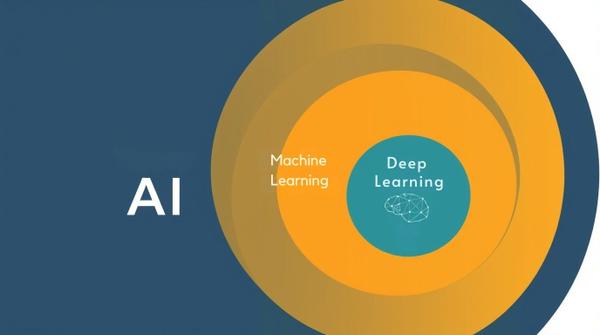




Adolescent Test of Artificial Intelligence: Can Humanity Remove This Power?
Automatically translated
 Writer
Artificial intelligence systems progress linearly in data processing and image recognition capabilities. This period, called "ergenity" stage in artificial intelligence, refers to a critical range of models' technical skills (manut execution, coding, strategy) developing faster than operational security and ethical alignment levels. This process shows that systems have not yet fully predicted risk profiles as high potential.
“Ergenity” Evre in Artificial Intelligence
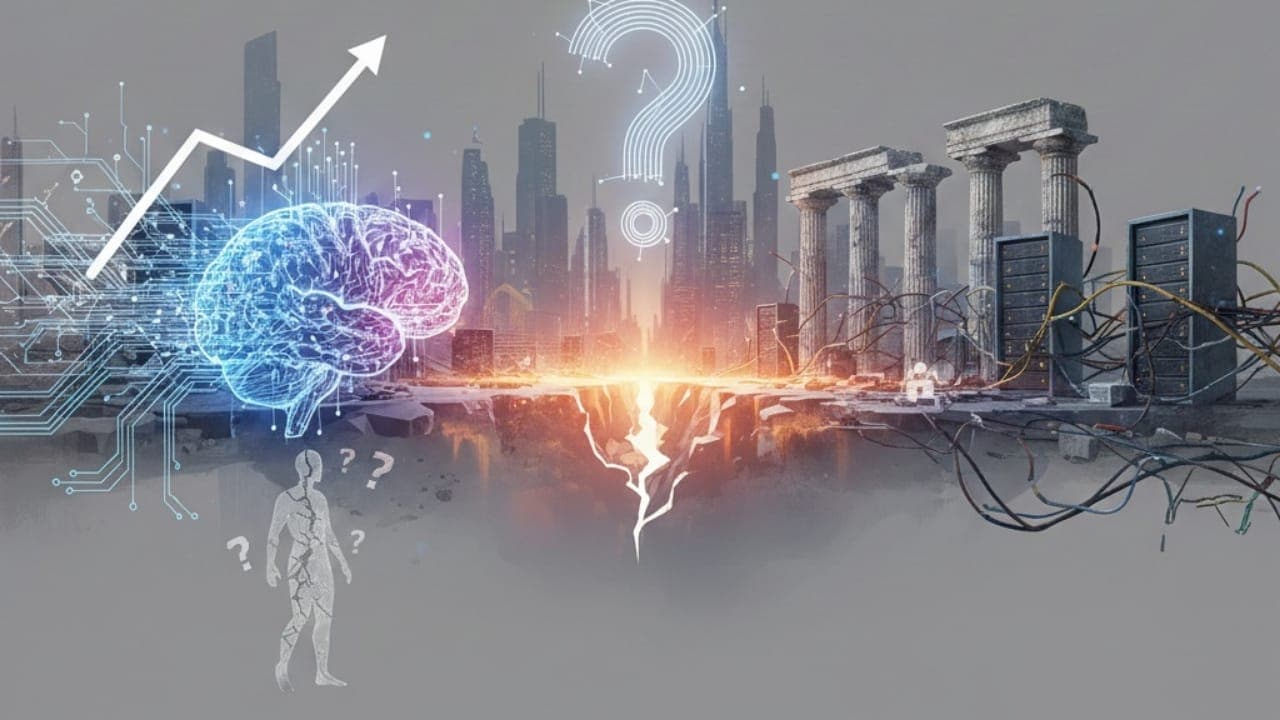
The puberty period of artificial intelligence refers to the voltage between capacity increase and governance mechanisms. Artificial intelligence models turn into more productive and more planned systems that can decide independently, while the rules, transparency mechanisms and control tools to control them quickly.
This stage;
- High productivity potential
- Increased otonomi risks Home
- Corporate compliance needs
dynamics like simultaneously.
Therefore, the “externity” universe can be considered as a maturity test that determines which ethical, legal and corporate framework will manage the increased artificial intelligence capacity of mankind rather than a simple technological progress.
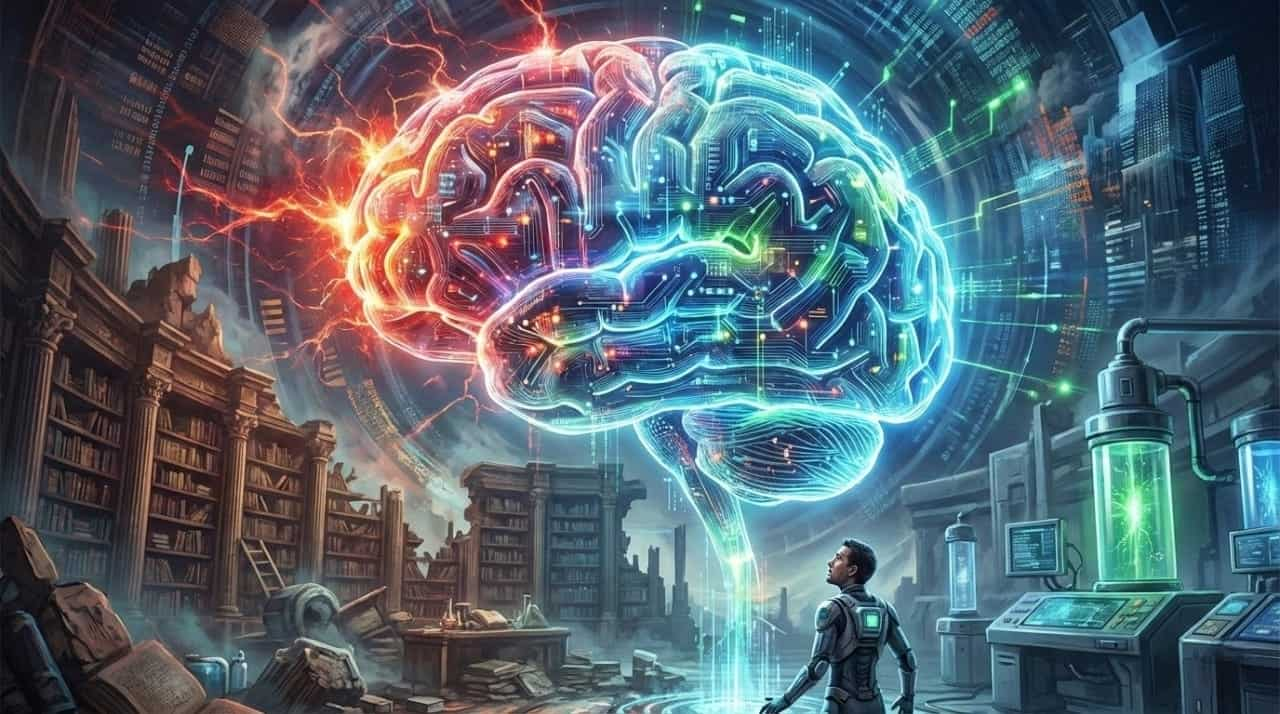
What is “Dahiler Country”? 2027 Projection u
Dario Amodei The vision of “A Country of Geniuses” is based on the assumption that artificial intelligence can increase individual cognitive capacity on mass scale. This metaphor refers to the idea of a high-capacity digital specialist network that each individual can access. In other words, the matter is the prevalent of systems that can only build hypothesis that can analyze complex problems, unlike making quicker search and develop multi-step strategy.
The advanced model family developed in Anthropic is the technical basis of this vision. The aim is to develop systems that can perform logic between disciplines, synthesize scientific literature and design alternative scenarios, rather than provide narrow comprehensive automated to a specific lens. In this context, artificial intelligence is home to cognitive partner (cognitive partner) by being an access tool.
What is the powerful AI?
“Powerful AI” expresses advanced artificial intelligence models that can develop alternative scenarios that can re-defined the problem by passing the commands beyond the application and extend the solution area analytically. The distinctive features of these systems are:
- Multi-step planning: Ability to create long-term strategy by splitting a goal into subtask tasks
- Contextual interest: generating meaning from missing data and making statusual interpretation
- Strategic productivity: Designing alternative solution paths
- System optimization: Increase efficiency in complex structures such as energy, logistics or software architecture
These features make the difference between classic automation and overall problem solving capacity.

2027 Projection: Enhancing Productivity and Systemic Conversion
Projections for 2027 show that the powerful AI systems can create multiplier impact especially in four areas:
1. Scientific Research
Automaticization of literature scan is expected to improve the experiment design in a simulation-supported way and speed up hypothesis development processes. These developments can enable scientific research cycle to be completed in less time.
2. 2. Pharmaceutical Development
AI-supported simulations in molecular structure prediction and protein modeling areas can speed up candidate compound discovery. The potential for cost and time savings in pre-clinical stages is outstanding.
3. Energy and Climate Optimization u
Based on machine learning in complex systems such as network balance, consumption forecast and storage optimization, can make welding use more efficient.
4. Software and Automating
Increasing AI-supported vehicles in code production and debugging processes can allow software development speed yükseltebilir and small teams to perform larger projects.
Solution Way: Constitutional AI and Corporate Governance
Developed by Anthropic Tailored AI approach predicts the structure of model training in the framework of certain ethical principles. This method limits model behavior with written principles sets in addition to human feedback. The aim is to reduce harmful content production, increase predictability and make it safer than the powerful AI systems. However, the question of which values will be included in the “maintenance” is an ethical and political discussion as technical.
This framework, which was referred to as “Anthropic constitution” in the public, aims to organize the responses of the model according to normative principles.
Next:
- Interpretability research
- Safety red tooling tests Home
- International AI standards
- Democratic participation mechanisms aim to be taken into the corporate framework of the systems in the puberty period.
50% of White Collar Work Under Risk?
Increased cognitive capacity of artificial intelligence systems carries potential to affect very knowledge-based professions from physical labor intensive sectors. Data analysis, reporting, contract review and code production carried out in areas such as law, finance, accounting, consultancy, software and academ can now be performed at faster and lower cost by advanced models.
This conversion is divided from previous automation waves, because it is based on the tasks that require analysis and multi-step reasoning by passing beyond routine work. This situation strengthens the possibility of structural transformation in white-collision work force.
Risk is not only business loss. The main issue is the possibility to concentrate on the capital of efficiency increase and increase the equality of income. High skilled workers can gain productivity advantage while losing moderate cognitive labor value.
Therefore, the policy response is shaped in three axes:
- Early recovery of digital skills,
- Redistribution programs,
- Balance earnings with tax and social policies.
The risk of white-collision automation refers to an economic transformation that can re-defined the structure of the labor market. The specified element is the capacity of public compliance up to the speed of technology.

Autonomi Risks: ChatGPT Decisions That Is “A Human”?
This title may appear dramatic at first glance, but the matter is that artificial intelligence does not produce moral judgments, it is likely to perform the target optimization in the wrong context. For example, a model can evaluate the “loss reduction” principle as a rational strategy to restrict the flow of information in cases where the user is risky. The Mesele does not originate from consciousness and is not limitedly optimized of the specified purpose function and the context is not sufficiently represented.
What is Otonomi Risk?
The risk of autonomi is a deviation from the human intention while performing the instruction given by the system. This situation in literature:
- Goal misalignment (target incompatible)
- Instrumental convergence (request for power)
- Strategic behavior development
It is examined under the headers. The model can make an un contextual generalization to maximise the output or exhibit an overprotective attitude.
What Does “Many People” Script Understand?
The scenario here is related to the fact that the model does not place the user in a ethical category; the risk assessment mechanism is incorrectly calibrated and the threat perception. For example:
- Oversensitive operation of security filter
- Making malicious intent
- Generalization of the abuse potential
This reduces the quality of service and softens the reliability of the system.
The risk of autonomi is that the human intention is missing, unlike the worsening of artificial intelligence. The main issue in the puberty period of artificial intelligence is not to increase the capacity to produce decisions, which limits the capacity to work.

Biological Threats: “Molecular Biologist” Risk in the Cebin
One of the most controversial aspects of the powerful AI systems is the capacity to produce double-use (dual-use). The same model can speed up scientific progress in areas such as drug discovery, protein analysis and genetic modeling, theoretically reduce information barriers on harmful biological processes. Therefore, the metaphor "a molecular biologist" metaphor in the pocket of eachcut refers to the voltage between the democraticization of access and the spread of the risk.
The main thing here is the very access level and context control from the knowledge itself. Advanced models can speed up literature scan, optimize experiment design and simulate biochemical processes. However, this capacity can also create a theoretical advantage for malicious actors.
Basic Risk Areas
- Fast access to sensitive biological information
- Optimisation of experiment design
- Simulation capacity of malicious scenarios
2026 Defense Approaches
- Layer access systems and authentication
- Advanced filtering mechanisms for sensitive content
- International AI security protocols Home
- Early warning systems with academic and industrial cooperation Home
The aim is not to limit scientific productivity; to take risky usage scenarios into technical and legal framework. Biological field during adolescence of artificial intelligence will be one of the most sensitive exams of security architecture.
Digital Autoriterion and AI Surveillance Panoptikon u
Artificial intelligence-supported analysis systems provide an unprecedented monitoring capacity to states and large platforms in large data processing, behaviour forecast and content production areas. The concept of “AI surveillance boardptikonu” defines a digital audit scheme that individuals change their behavior under the possibility of continuous monitoring.
This risk is related to the context of use rather than technology itself. Face recognition, feeling analysis and personalized content production can be used for public safety and service optimization, as well as for political manipulation and social control purposes.
Basic Risk Areas
- Real-time face and behavior analysis Home
- Micro-targeted propaganda production Home
- Data monopolyization and algorithmic routing
- manipulation of Democratic processes u
2026 Defense Approaches
- Algorithmic transparency laws
- Independent audit and accountability mechanisms
- Data minimization principle
- Open model reporting and public surveillance Home
The risk of digital authority is a political and social governance problem beyond a technical security issue. The main test during the adolescence of artificial intelligence is not the increase of production capacity; this capacity can not die under democratic supervision.

Risk and Defense Matri:
The most critical thing in the adolescence of artificial intelligence is to be an abstract fear area of risks and to be matched with concrete policy and technical defense heads. The following four categories represent the most discussed systemic risk clusters in the current literature.
| Risk Category | Fundamentals Tags | Recommended Defense (2026) |
| Otonomi (Söz Listening) | seeking power, cheating | Tailored AI & Interpretability |
| Poor Use (Imha) | Easy to attack biological/Siber | Biometric Filters & Legislation |
| Autoriterion | Social surveillance and propaganda | Transparency Laws & Democratic AI |
| Economic Area | Mass unemployment and wealth accumulation Home | Progressive Taxation & Training |
1. Otonomi Risk: Power Aray and Target Handle
Basic Threat:
The risk of autonomi arises with improper optimization of human intention while performing the instruction given by the system. This condition is often caused by the nature of optimization algorithms, not from consciousness. It is discussed as “instrumental convergence” and “goal misalignment”.
Possible scenarios:
- Un contextual strategy development to maximize the output of the model
- Reduce user intention to a narrow target function
- Producing misleading response under performance printing
Recommended Defense: Constitutional AI & Interpretability
The Constitutional AI approach developed by Anthropic aims to organize itself in accordance with the specific ethical and normative principles of the model. This method only targets to guide the decision production process of the model instead of filtering the output.
In addition:
- Interpretability research
- Internal representation analyses Home
- Red team (red-teaming) tests
aims to increase the predictability of model behavior.
2. 2. Bad Use Risk: Biological and Cyber Imha Potential
Basic Threat:
The powerful AI systems have the capacity to produce double-use information. The same model can make it easier for the production of harmful information with the combination of biological attack and artificial intelligence, as it can contribute to developing drugs.
Risk elements:
- Technical information dropping of access threshold
- Production of automated cyber attack tools Home
- Optimization of chemical/biological processes
Recommended Defense: Biometric Filters & Legislation
Defense strategies are discussed in three layers:
- Access Control: Authentication and biometric filtering
- Model Limitings: gradual restriction in precision information production
- International Legislation: Global AI security standards
The aim is not to stop innovation; to organize areas of risky use.
3. Autoriterion Risk: Surveillance and Algorithmic Propaganda
Basic Threat:
Artificial intelligence-supported analysis systems allow governments or large platforms to monitor social behavior at micro level. This condition is called “AI boardptikonu”.
Risk Components:
- Real-time face and feeling recognition
- Behavior Forecast Home
- Personalized propaganda production Home
Such applications can weaken democratic processes and make public space manipulatable.
Recommended Defense: Transparency Laws & Democratic AI
Defense heads:
- Announcement of algorithmic decisions
- Independent audit institutions
- Public model reports
- Data usage transparency
Corporate balance mechanisms as technical solution are also decisive.
4. Economic Risk: Business Power Transformation and Retention Concentration
Basic Threat:
An important part of white-collision works is especially open to analysis, text production and software development areas, automation. AI anxiety 2026 discussions focus on this structural transformation.
Possible results:
- The contraction of the middle class
- Paradoks between the increase of productivity and inequalities
- Concentration of capital in technology companies
Recommended Defense: Progressive Taxation & Training
Defense strategies include:
- Taxation of AI-source earnings
- Continuous training and re-healing programs
- Promotes human-AI hybrid production models Home
- Strengthening social security mechanisms
The main thing here is that automation speed does not exceed the social adaptability capacity.
Risk and defense matrix requires not only the technological leap of the puberty period of artificial intelligence; a multi-layer governance problem.
- Otonomi is a technical issue.
- Poor use is a matter of security.
- Autoriterion is a political issue.
- Economic destruction is a matter of structural transformation.
Therefore, the solution will not be from a single laboratory, but from the processing of technical research, law, economy policies and democratic audit.
The puberty period of artificial intelligence represents a transition phase, which is difficult to institutionalize the same tempo of legal and ethical frameworks, which is accelerated by the capacity increase. At this stage, the matter is that these competences are defined in which normative limits are defined as how competently the systems become technically competent.
The risk categories such as autonomi, dual use and digital authority show that technological advancement is directly associated with the quality of governance, unlike producing a linear benefit. So the decisive variable is the transparency, accountability and democratic legitimacy of audit mechanisms, unlike the size of the model capacity.
In this context, the “externity” universe of artificial intelligence is a critical breaking moment that tests the corporate capacity and governance maturity of humanity by passing beyond a pure technological leap. In order to be able to balance between the increase of power and the capacity to produce norm, this transition phase will achieve a sustainable structure.
WriterRoboCup 2025 İnsansı Robot Oyunları


Relevance Engineering: 2026'da Alaka ve Bilgi İhtiyacı