Skip to content
Back to blog list
Robotlara Yapay Kas Lifi: Biyonik Protez Teknolojisi
Robotics

Artificial Muscle Lifi to robots: Bionic Prosthetics Technology

Automatically translated
Can Kepenekoğlu
Can KepenekoğluWriter
4 min read
Artificial muscle fiber, which is developed, is looking for the door of a new era for both bionic prosthesis technology and robotic systems. Thanks to this development, it is able to mimic the natural movements of human muscles, as well as in front of mechanical systems known by its flexible and strong structure.

In robotics and bionic technology, a breakthrough development came from MIT(Massachusetts Institute of Technology). Artificial muscle fiber, which is developed, is looking for the door of a new era for both bionic prosthesis technology and robotic systems. Thanks to this development, it is able to mimic the natural movements of human muscles, as well as in front of mechanical systems known by its flexible and strong structure.

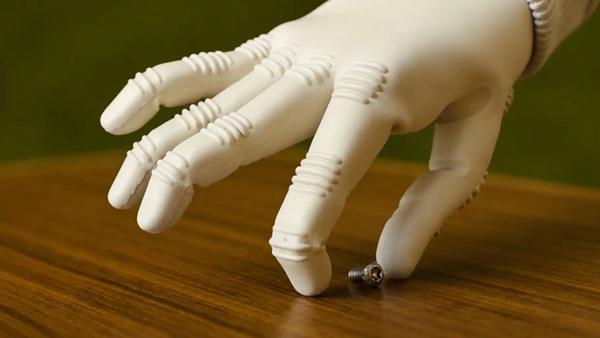
Yapay kas lifi görseli

With the studies done, researchers managed to develop lighter and durable bionic prosthetics by copying the working principles of artificial muscle fibers. This technology is considered an important step in particularly wearable joint technology.

What is Artificial Muscle Lifi? Technological Copy of Natural Motion

Artificial muscle fiberis a synthetic structure that can relax and relax with electrical and chemical alerts. Thanks to this system, it aims to achieve natural movements by mimicking the logic of working human muscles. The new system combines two technologies. The new electrofluidic nylon muscles built in fiber format have been created with electrohydrodynamic (EHD) technology that can create pressure in without moving parts or a liquid source. These electrofluidic muscles can also be useful for wearable applications such as auxiliary devices while a person lifting heavy loads.

When loaded, the content comes from YouTube servers; YouTube may place cookies on your device and receive information about your visit.
  • When we look at traditional robotic systems and newly developed artificial muscle fibers;

  • Hard and heavy structure Tags

  • Limited in sensitive movements Tags

  • Energy consumption is high.

  • if in artificial muscle fibers;

  • Flexible and lightweight

  • produces more natural movement

  • Provides energy efficiency.

  • New generation fibers developed by MIT stand out with robustness alongside high strength increase. These fibers produced in this way become both portable and worn.

    biyonik-protez-deney
  • Bionic Prosthetic Technology: Increases Human-Machine Compliance

    Bionic prosthetic technology in the threshold of large transformation of artificial muscle fibers. As we mentioned earlier, classic robotic systems often offer limited mobility, the newly developed bionic prosthesis technology offers natural and fluent movements. With the integration of new muscle fibers, users can provide more precise motion control. The response times of human muscles are very fast, they can achieve response times at similar speed. The comfort rate is increased at the same time in long-term use.

    This development can be considered revolutionary especially in arm and leg prostheses. Users can now have a very close experience in the natural reality. In addition to integrating sensor technologies, bionic prostheses perceive the nerve signals of the person, they have copied movements very closely.

    Soft Robotic Systems: Flexibility and Security Front Plan

    Soft robotic systemsThey aim to create more compatible robotic parts using flexible materials instead of hard metal parts. Artificial muscle fibers create one of the most critical components of these systems. Thanks to its comfortable mobility, it moves easily in sensitive tasks. The narrow areas are much more effective and aimed at finishing the work.

    This robot technology mainly used in health industry can provide great advantage. Operation support systems, rehabilitation robots, maintenance robots have become more effective thanks to the flexible artificial muscle fibers developed. Improved artificial muscle fibers offer safer and controlled functioning, greatly increasing the mobility of robots.

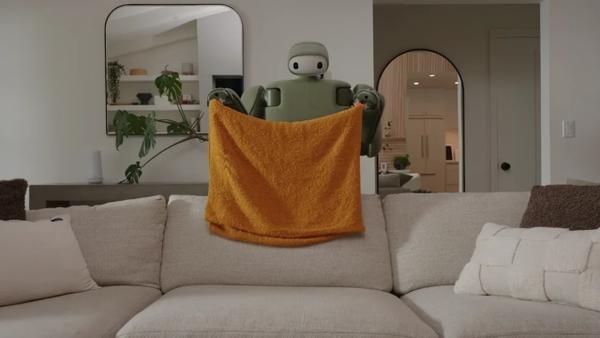
    Yumuşak robotik sistem

    Potential of Use in Health and Industry

    Artificial muscle fiber technology offers great opportunities in external health and industry sectors of daily use. Among the areas of interest;

    Rehabilitation: With artificial muscle fibers in physical treatment processes, patients can effectively interfere with the treatment processes. In this way, both safe service and treatment processes can be successfully resulted.

    Industrial robots: Due to human muscle fibers, it can be passed to more flexible and precise production processes. Human limbs robotic technology The combination of the combination is already available in the work such as transport and production.

    Military technologies: Wearable joint supports and bionic prosthetics technologies are very convenient to use for military purpose. Thanks to the military joint supports and bionic prostheses, they can achieve high results in both more durable and demanding tasks.

    Space researches: These technologies are seen as a quailed kaftan for space tasks thanks to low weight ratio and high mobility. People who carry space go to large changes in time in astronomy clothes. Due to artificial muscle fiber and prosthetics, it can be much easier to move in space and fulfill tasks.

    When loaded, the content comes from YouTube servers; YouTube may place cookies on your device and receive information about your visit.

    Ethics and Technical Challenges

    As with every new technology, artificial muscle fibers also bring some challenges. Most importantly, you need long test times. This structure running with electrical alerts is not less likely to be controlled in any case. It also needs to be fully compatible with the human body. Otherwise, unwanted results may lead. It should be taken into account that there are quite expensive systems in terms of cost. Several financial conditions are required for these systems, which are quite long in production and prevalence.

    In robotics and bionic technology, a breakthrough development came from MIT(Massachusetts Institute of Technology). Artificial muscle fiber, which is developed, is looking for the door of a new era for both bionic prosthesis technology and robotic systems. Thanks to this development, it is able to mimic the natural movements of human muscles, as well as in front of mechanical systems known by its flexible and strong structure. With the studies done, researchers managed to develop lighter and durable bionic prosthetics by copying the working principles of artificial muscle fibers. This technology is considered an important step in particularly wearable joint technology. What is Artificial Muscle Lifi? Technological Copy of Natural Motion Artificial muscle fiber is a synthetic structure that can relax and relax with electrical and chemical alerts. Thanks to this system, it aims to achieve natural movements by mimicking the logic of working human muscles. The new system combines two technologies. The new electrofluidic nylon muscles built in fiber format have been created with electrohydrodynamic (EHD) technology that can create pressure in without moving parts or a liquid source. These electrofluidic muscles can also be useful for wearable applications such as auxiliary devices while a person lifting heavy loads. When we look at traditional robotic systems and newly developed artificial muscle fibers; Hard and heavy structure Tags Limited in sensitive movements Tags Energy consumption is high. if in artificial muscle fibers; Flexible and lightweight produces more natural movement Provides energy efficiency. New generation fibers developed by MIT stand out with robustness alongside high strength increase. These fibers produced in this way become both portable and worn. Bionic Prosthetic Technology: Increases Human-Machine Compliance Bionic prosthetic technology in the threshold of large transformation of artificial muscle fibers. As we mentioned earlier, classic robotic systems often offer limited mobility, the newly developed bionic prosthesis technology offers natural and fluent movements. With the integration of new muscle fibers, users can provide more precise motion control. The response times of human muscles are very fast, they can achieve response times at similar speed. The comfort rate is increased at the same time in long-term use. This development can be considered revolutionary especially in arm and leg prostheses. Users can now have a very close experience in the natural reality. In addition to integrating sensor technologies, bionic prostheses perceive the nerve signals of the person, they have copied movements very closely. Soft Robotic Systems: Flexibility and Security Front Plan Soft robotic systems They aim to create more compatible robotic parts using flexible materials instead of hard metal parts. Artificial muscle fibers create one of the most critical components of these systems. Thanks to its comfortable mobility, it moves easily in sensitive tasks. The narrow areas are much more effective and aimed at finishing the work. This robot technology mainly used in health industry can provide great advantage. Operation support systems, rehabilitation robots, maintenance robots have become more effective thanks to the flexible artificial muscle fibers developed. Improved artificial muscle fibers offer safer and controlled functioning, greatly increasing the mobility of robots. Potential of Use in Health and Industry Artificial muscle fiber technology offers great opportunities in external health and industry sectors of daily use. Among the areas of interest; Rehabilitation: With artificial muscle fibers in physical treatment processes, patients can effectively interfere with the treatment processes. In this way, both safe service and treatment processes can be successfully resulted. Industrial robots: Due to human muscle fibers, it can be passed to more flexible and precise production processes. Human limbs robotic technology The combination of the combination is already available in the work such as transport and production. Military technologies: Wearable joint supports and bionic prosthetics technologies are very convenient to use for military purpose. Thanks to the military joint supports and bionic prostheses, they can achieve high results in both more durable and demanding tasks. Space researches: These technologies are seen as a quailed kaftan for space tasks thanks to low weight ratio and high mobility. People who carry space go to large changes in time in astronomy clothes. Due to artificial muscle fiber and prosthetics, it can be much easier to move in space and fulfill tasks. Ethics and Technical Challenges As with every new technology, artificial muscle fibers also bring some challenges. Most importantly, you need long test times. This structure running with electrical alerts is not less likely to be controlled in any case. It also needs to be fully compatible with the human body. O

    Etiketler:Yapay Kas LifiGiyilebilir Eklem DestekleriBiyonik Protez Teknolojisi
    Can Kepenekoğlu
    Can KepenekoğluWriter
    @CanKepenekoglu

    Comments (0)

    Log in to comment.

    Log in
    No comments yet. Be the first to comment!