Can Space Robot Age Take Place of Astronots?
Automatically translated
 Writer
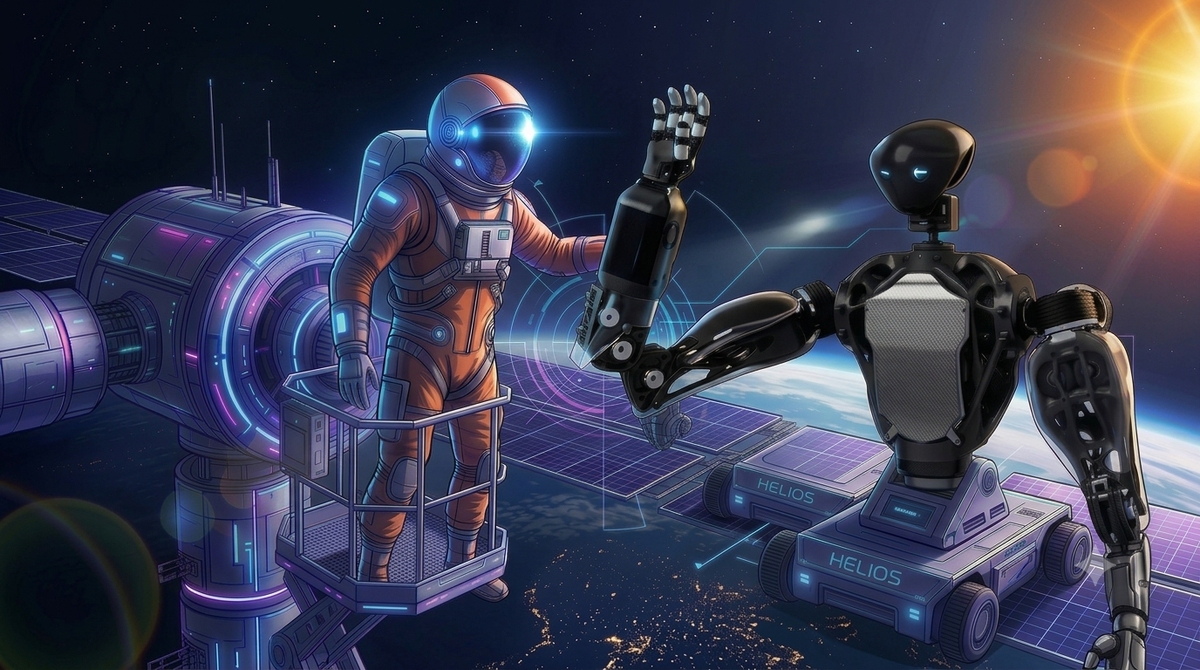
It was the beginning of the most dangerous tasks that a space station in the image or the external facade of the satellite, so far the astronauts were undertaken. These processes called space walk require gigantic budgets, as they host deadly risks for human biology from micro meteors to cosmic radiation, as well as because of life support systems that will survive astronauts. But developed and freshly announced by Bristol University researchers in England new generation auxiliary robot HELIOS Calls the door of a new era that will take people out of this dangerous external task equation.
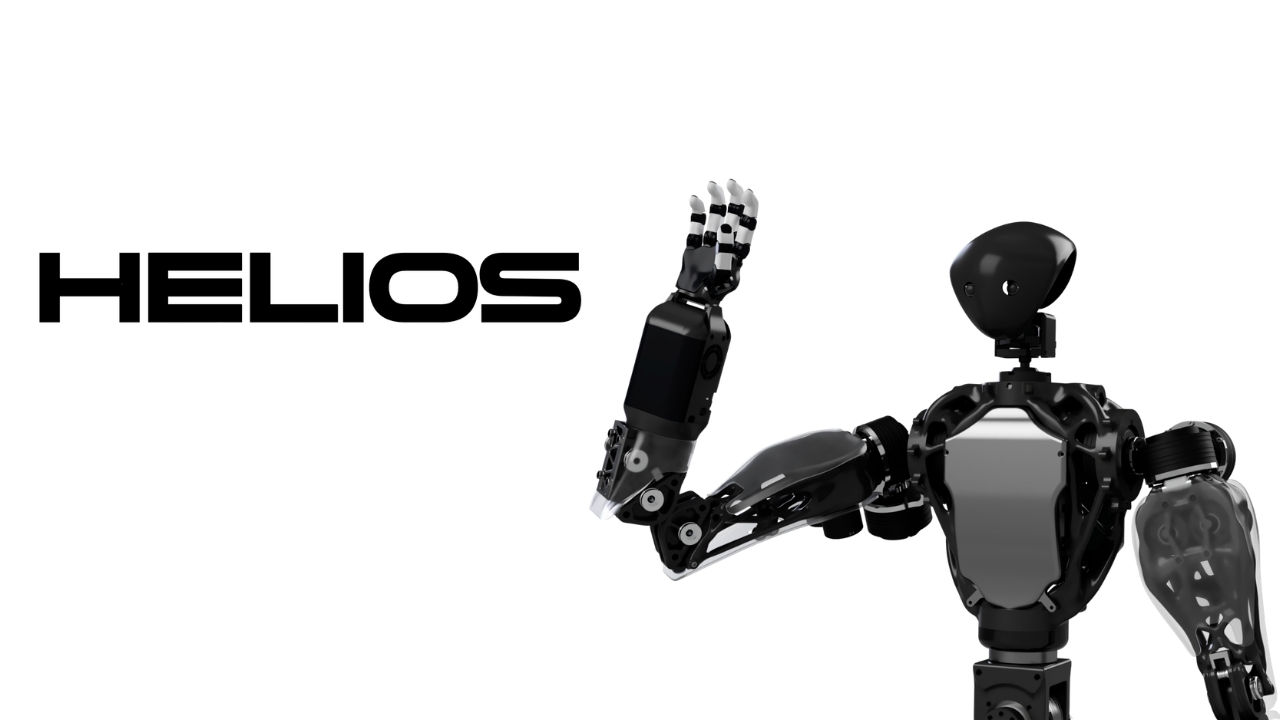
This advanced space robot, which has a four-spoke architecture, counts days to undertake precision repairs of the astronauts in the exterior of the stations with autonomous systems on it. This latest technology from Bristol Robotic LaboratoryWith AI space technology infrastructure, it aims to minimize the cost and risk of space operations by combining with AI space technology infrastructure. This success, which HELIOS shows in laboratory tests, also in the technology world, brings the big question again: emerging robotic space discovery tools, NASA automation projects lastly artificial intelligence and robotic machines Can I get the location of astronauts very soon?
HELIOS Project Behind Design Manik
Unlike mechanical systems with single sleeves or limited mobility we see in existing space agency inventory, HELIOS has been developed with a architecture with biodesign flexibility. The robot developed by Bristol Robotic Lab is designed in the laboratory environment weighing about 15 kilograms. Of course, this weight is not a matter in the irresistible space environment, but mass inactivity, which the robot has, controlled by engineers with millimetric accounts. The architecture, which gives the name to the device, is the advanced sensor network, which can detect liquid and gas leaks in dangerous environments, separate the robot from an ordinary mechanical arm and converts it to an autonomous supervisor. This four-spoke structure in the groundless space environment is completely carrying the mobility of the robot into a new dimension:
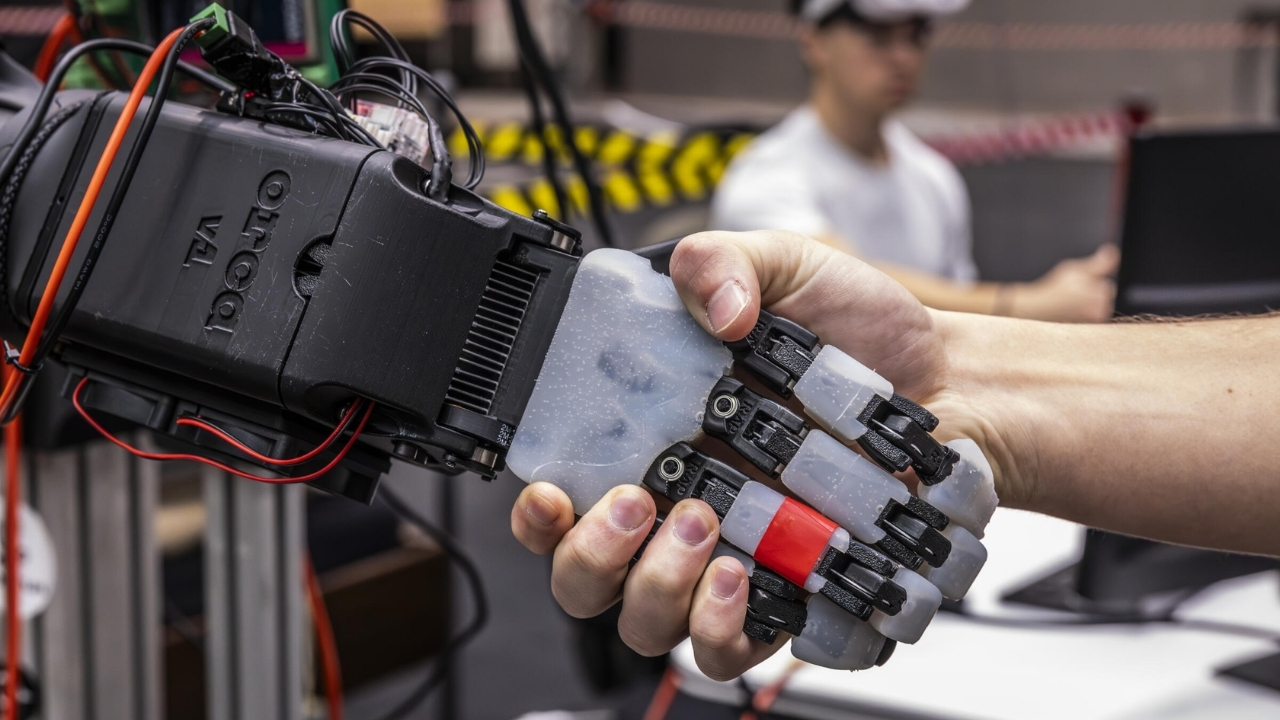
Mechanical Anchor and Dynamic Balance:
HELIOS is using two of its arms to clamp firmly to the satellite panel where space station or maintenance will be maintained, meaning to fix itself. This situation replaces the safety ropes that astronauts connect themselves to the station in space walks. The robot can optimise the body balance in microseconds while holding the surface with two levers and completely eliminates the risk of prosecution in the space.
Double Hand Precision Working:
The robot, which is securely fixed on the surface, completely frees the remaining two arm. Thanks to the high torque precision motors on the arms, just like a man can perform fine repairs using two hands simultaneously. When holding a complex electronic card with two handles, it can make cable assemblies or part changes with other arms, space space means an unprecedented flexibility before.
Simulations Held on Solar Panels
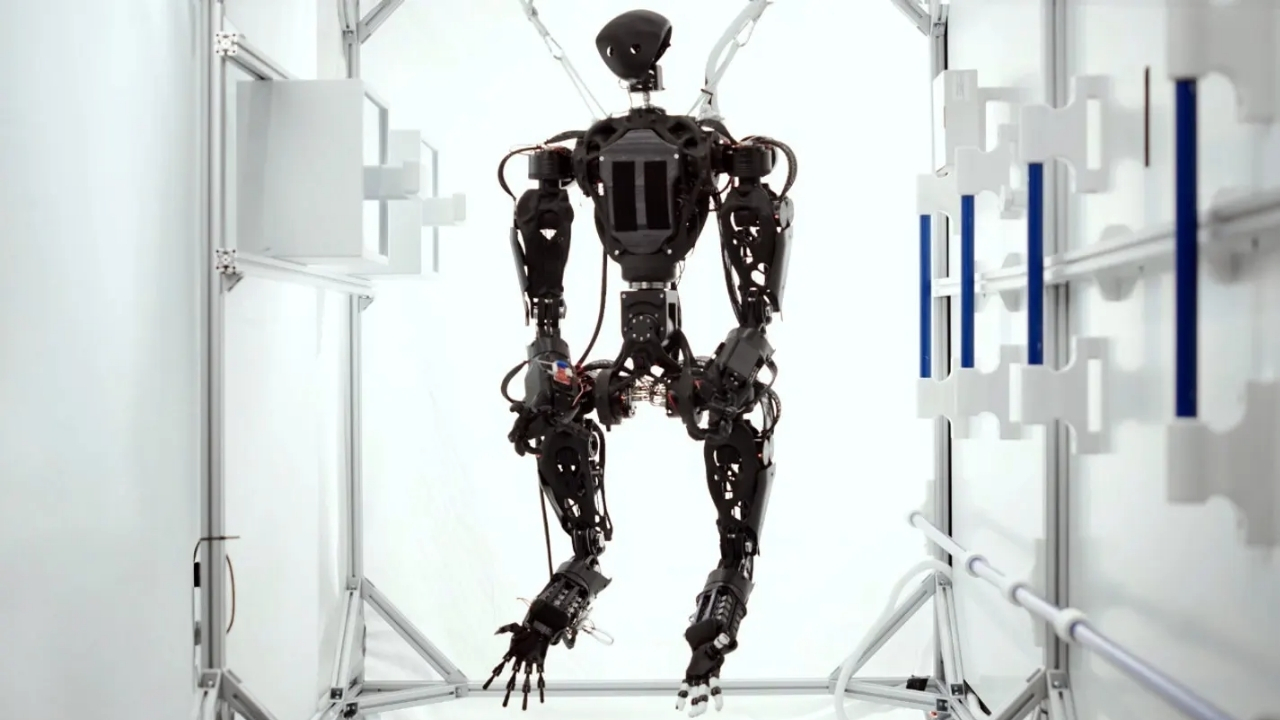
The research team started to release HELIOS prototype only in theory or simple laboratory looms, testing in advanced simulation rooms that mimic space environment on Earth. The first big task selected to test the capabilities of the robot was the maintenance and cleaning of solar panels, one of the most critical and external factors of the international space stations. As one of the solar panels, space dusts or micro-piece bumps are directly baled into the energy production of the station, and send people here is a big risk. HELIOS had a successful simulation process in identifying progress and micro-level cracks by boiling on these panels.
Thanks to the advanced sensors combined with artificial intelligence infrastructure, HELIOS does not only visually scan the space; how much power is applied and the molecular resistance of the surface it touches can also be perceived instantly. This sensor fusion occurs when combined with virtual reality integrations, snematic feedback, i.e. remote touch feeling. A astronaut sitting in the secure area of a engineer or station that attaches VR eye in the laboratory in Bristol can feel one-one in the controllers in his space cavity while remote redirecting the robot. The remote management delivers almost perfect precision.
Economic and Operational Limits
Behind the huge budgets separation from this space of the space industry lies not only a scientific curiosity, but a serious cost management facing global space agencies and private companies. Today there are cliffs operationally between sending a person to space and launching a robot into orbit. At this point, the reasons why robotic systems stand out are technically detailed:
Astronot Safety:
The emergence of a man’s space walk means a huge operation that takes hours of pressure adjustments, birds of special protective clothing and at least two astronauts need to be armed each other. This process, which contains vital risk for each second, is disabled directly through autonomous systems such as HELIOS. The robot can step out of the station door without needing any pretreatment process.
Cost & Efficiency:
Supporting human life in space; oxygen tanks require water recycling systems, food stocks and precise pressure balances to keep in orbit. Maintenance and launch of these systems is a logistic nightmare, robotic elements only need the electricity energy provided from the batteries and the solar panels of the station.
Intermittent Working Time:
Human biology does not protect intensive cosmic radiation in orbit, sudden developing solar explosions and freezers against colds. Astronodes stay in space and run times so robots are not kneaded, adapted and unaffected by radiation, because people can complete complex assembly operations within hours without stopping.
New Commercial Space Stations and Integration Process
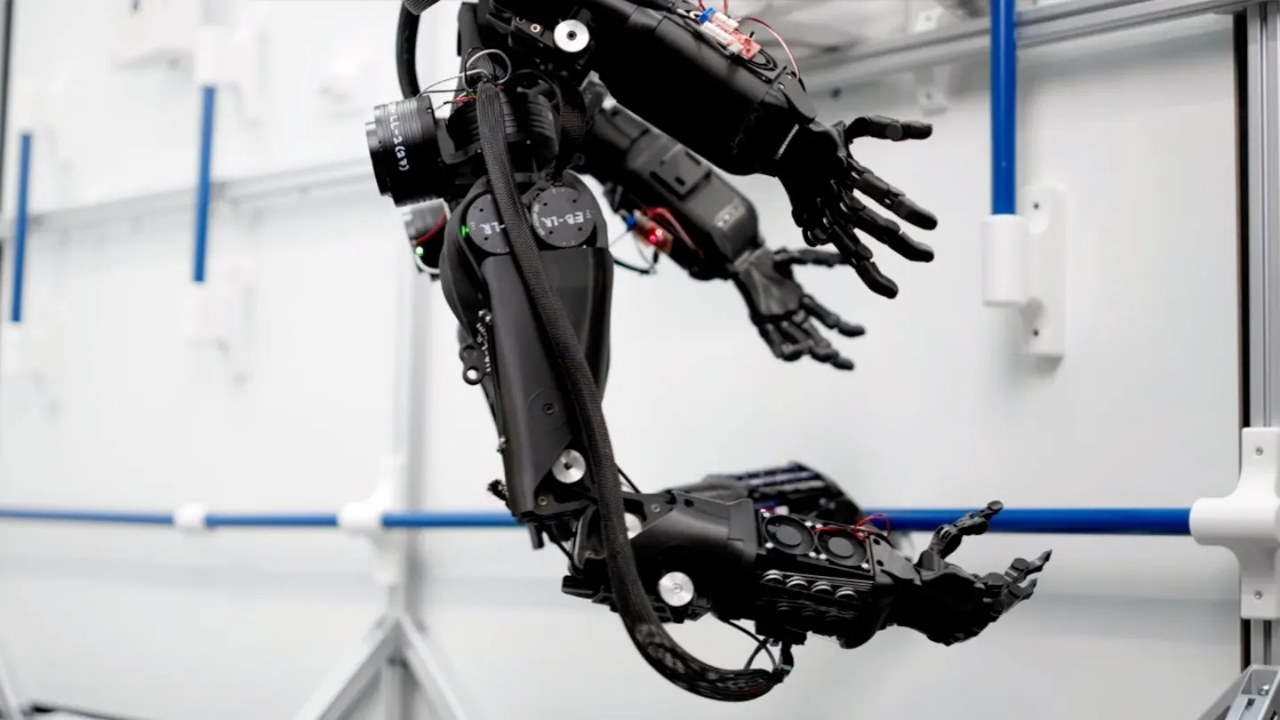
With the retirement of the International Space Station in the coming years, private companies such as Axiom Space or Orbital Reef in the orbital commercial space stations era start. The biggest goal of these new stations is to reduce operational costs as much as possible and increase profitability. The vision, which was revealed by the HELIOS project of the University of Bristol, offers a budget-friendly solution where these commercial stations are looking for. Instead of permanent engineers staff in these stations in the future, it is planned to rent and serve autonomous robot fleets, which are completely responsible for the outside of the station. This situation is considered to be one of the most critical switches that will lead the industrial production of space tourism and orbital.
What is the End of Astronomy?
The engineering reports that Bristol University share and current test results are clearly evidenced that HELIOS and new generation autonomous systems will be the main actor in space operations. However, this does not mean that astronauts in the near future will be sent back to the whole world, and the space bases will be delivered to the completely spiritual metal stacks. Because deep space tasks are filled with unique crisis moments that can develop in seconds and have not been taught to no artificial intelligence model before. Although robots do mechanical work, cleaning and routine maintenance with perfect and zero error; instant intuitive decision-making protects human brain still being the most advanced hardware in the universe, in the skills of instant creative solutions and adapt to unexpected.
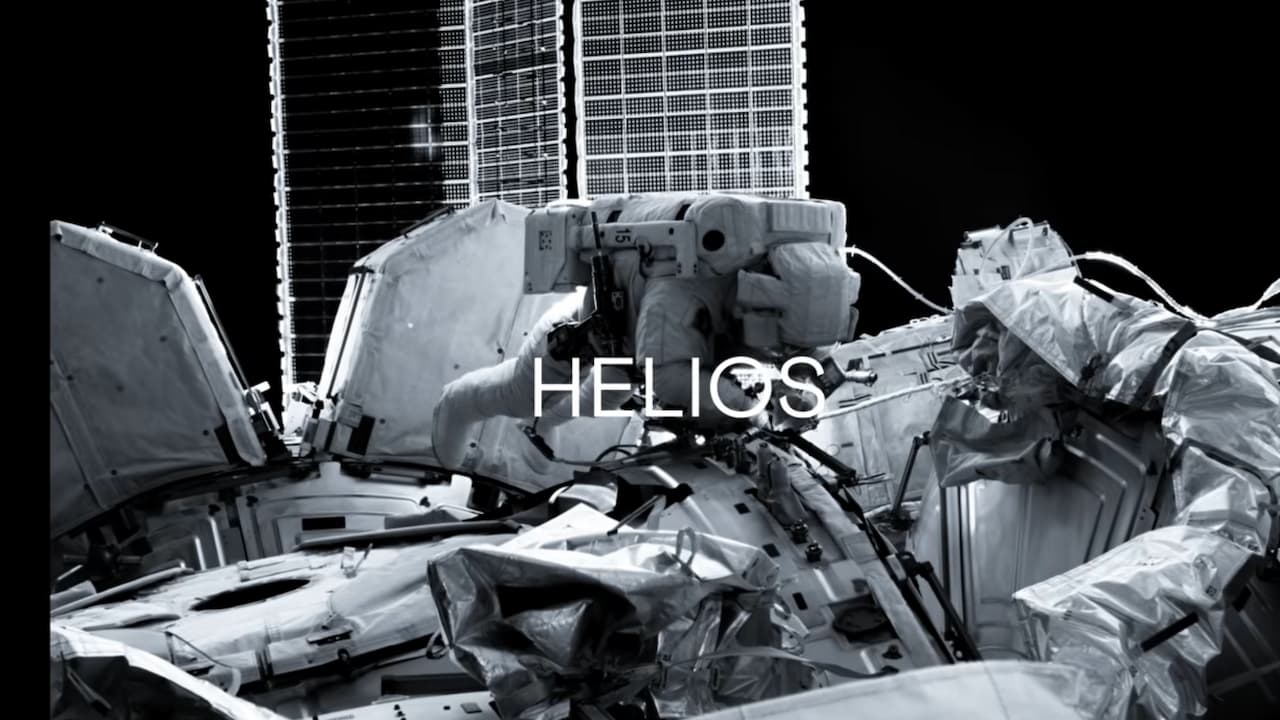
Four-arm advanced robots like HELIOS are completely replaced by astronauts and rather than retiring them, they will be the largest operational protector and business partner in their space. The most dangerous external tasks can focus on repairs and cleaning of solar panels under fatal radiation while taking these mechanical systems; human crew station can focus on scientific data analysis, deep space biology research and strategic decisions. Space autonomous robotic eraThe astronauts are not to leave unemployed, but in the galaxy of humanity, it starts to reach much more safe and sustainable.
WriterPapa AI Uyarısı Teknoloji Dünyasında Yankı Uyandırdı


Xiaomi 18 Pro Sızıntıları: Yapay Zeka Özellikleri Geliyor