
Depth-oriented Sensitivity Analysis in MoE Models
Automatically translated
 Admin
AdminLarge Language Models (BBD) are critical to maintaining performance and efficiency while becoming more complex every day. Although Mixture-of-Experts (MoE) architectures provide this balance, the relative importance of each MoE layer on the model was not sufficiently understood. Especially in the context of model compression (model compression) there was a lack of in-depth analysis. A new research released in August 2026 offers a comprehensive layer-based precision analysis on the Qwen3.6-35B-A3B model by filling this gap and is taking a significant step for the future optimization of BBDs.
What is Depth-oriented Sensitivity Analysis in MoE Models?
"Derinlik Oriented Sensitivity Analysis is a methodology that systematically examines the effect of different layers of mixture-of-Experts (MoE) models and experts in these layers (experts) on the overall performance of the model. The purpose is to explore the ways of creating smaller or faster models without performance loss by determining which parts of the model are more critical. This analysis reveals its importance on complex MoE structures such as Qwen3.6-35B-A3B, based on weight (magnitude) values of each layer and specialist.
Mixture-of-Experts (MoE) Architecture and Working Principle
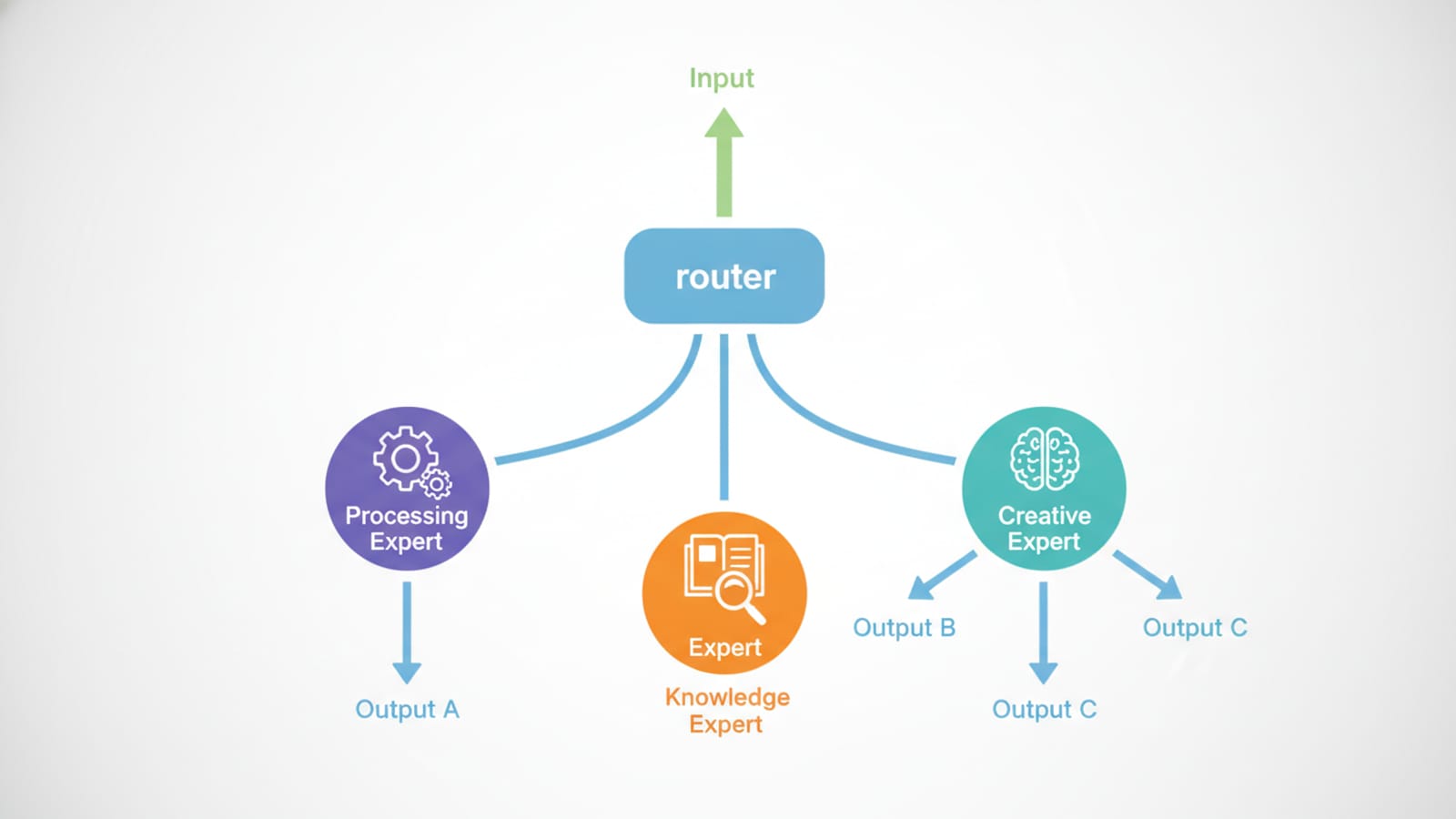
MoE is an innovative structure that divides a large artificial intelligence model into multiple small, specialized sub-network (coman networks). Each input (e.g. a text piece) is directed to only the most relevant specialist networks through a redirect mechanism (router). The approach of this rare activation (sparse activation) increases the total number of parameters of the model, does not increase the calculation cost proportionally. Traditional (intentional) gives lower calculation cost and faster training/grainability to 70% than BBDs. For example, the Qwen3.6-35B-A3B model, 40 MoE layer, 256 experts per layer and has the "top-8 routing" structure where the best 8 experts are selected for each token. Experts are often specialized in more fine-grained jobs such as linguistic processes or meaningful tasks.
Importance of Compression in Large Language Models (BBD)

Today BBDs exhibit incredible talents by reaching billions of parameters. However, this size creates high calculation, energy and memory costs that make the distribution of models in real world applications. Model compression techniques are vital to alleviate these challenges and ensure that BBDs work more efficiently with less resources. Major compression methods include:
Quantumization (Quantization): Lower precision data types of parameters (e.g. The model size and speed are improved by converting from FP16 to INT-8.
Budama (Pruning): Less important parameters or connections in the model are permanently removed. This reduces the complexity and resource utilization of the model.
Information Distillation (Knowledge Distillation): The knowledge of a larger "student" model is provided by compression by transferring to a smaller "student" model.
Sensitivity Analysis and Magnitude-Based Expert Maskin g
The article aims to determine which MoE layers or experts have the greatest impact on model performance for layer based precision analysis, model compression and performance optimization. These types of analyses are important to understand the internal functioning of the model and detect the most critical components. The expression "Magnitude-Based Expert Masking" refers to a smearing or analysis technique, which includes masking or disabling less important ones by evaluating the importance of weight values according to the size of the experts. This approach is a way of optimizing the current feature of silence in MoE models or creating more dilution.
Sectoral Context: Qwen3.6-35B-A3B and MoE Usage
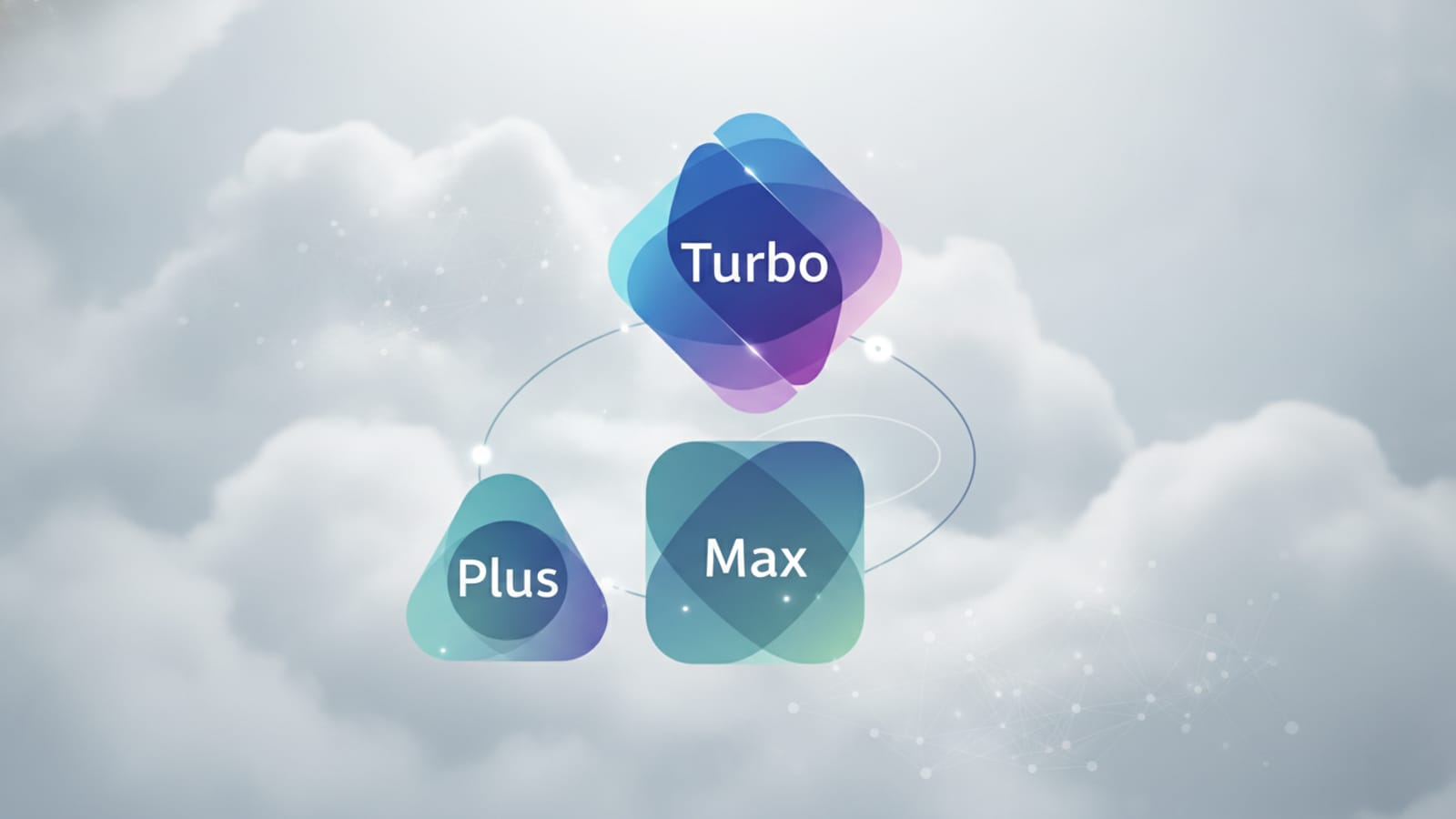
The Qwen3.6-35B-A3B model analyzed by Alibaba Cloud is a member of the large language model family of Qwen (Tongyi Qianwen) developed by Qwen. The Qwen family is built on Transformer-based architectures and is particularly recognized by its multi-lingual capabilities, particularly with strong performance in Chinese and English language tasks. This variant with 35 billion parameters of the model contains 40 MoE layers and 256 experts per layer. Qwen models have different size and performance levels such as Max, Plus and Turbo. MoE architecture is now used in leading models such as Mixtral 8x7B from Mistral AI, Grok-1 from xAI, DeepSeek-V3 and Databricks.
What is the Community
Supporters
The supporters of mixture-of-Experts (MoE) are highlighted the calculation efficiency and scalability potential that these structures offer according to traditional intensive models. MoEs make models with trilyons even more manageable, providing faster training and exploitation times. In this way, a wider range of use of bigger and talented BBDs opens.
News
Some experts and criticists pay attention to the complexity and subtleties of MoE models. The correct operation of the routing mechanism (router) creates a challenging engineering challenge to efficiently specialize in the experts and optimize the entire model. Also, the rare structure of MoE models can lead to full efficiency in some hardware architectures.
Frequently Asked Questions
Why is MoE models so popular?
MoE models are popular especially because of the ability to create efficient models in the field of Large Language Models (BBD) in terms of high performance and calculation. Thanks to the activation of the cross, they enable billions of parameters to work with less resources and quickly remove.
Why is Model compression critical for BBDs?
Model compression is critical to reduce the high calculation, memory and energy costs of today’s huge BBDs. These techniques allow models to work on smaller devices (e.g. mobile phones) and help artificial intelligence reach wider audiences by reducing distribution costs.
Qwen3.6-35B-A3B what features?
Qwen3.6-35B-A3B is a Great Language Model from Alibaba Cloud’s Qwen family. This variant with 35 billion parameters is designed to succeed in particularly efficient and multilingual tasks with features such as 40 Mixture-of-Experts (MoE) layer, 256 experts per layer and "top-8 routing".
What does Magnitude-Based Expert Masking mean?
Magnitude-Based Expert Masking is less important specialists temporarily or permanently disabled technique, assessing the importance of experts in MoE models according to the size of weight values. This method helps determine which experts in model compression and optimization processes can be transmitted or prioritized.
The future of large language models is not only growing their size, but also shaping them to make them smarter and efficient. Depth-oriented precision analysis in MoE models can be an important milestone on this road. Understanding the performance contribution of each layer and specialist is looking for new doors to developers to build more agile, stronger and more sustainable AI systems. Such research offers critical information to accelerate the integration of artificial intelligence technologies to our daily lives.
AdminABD Özel Şirketlere Siber Operasyon Yetkisi Verdi


Yapay Zeka Mühendisliği Olan Üniversiteler 2026