EV, Hydrogen? Race beyond Fosil Fuel in 2026
Automatically translated
 Writer
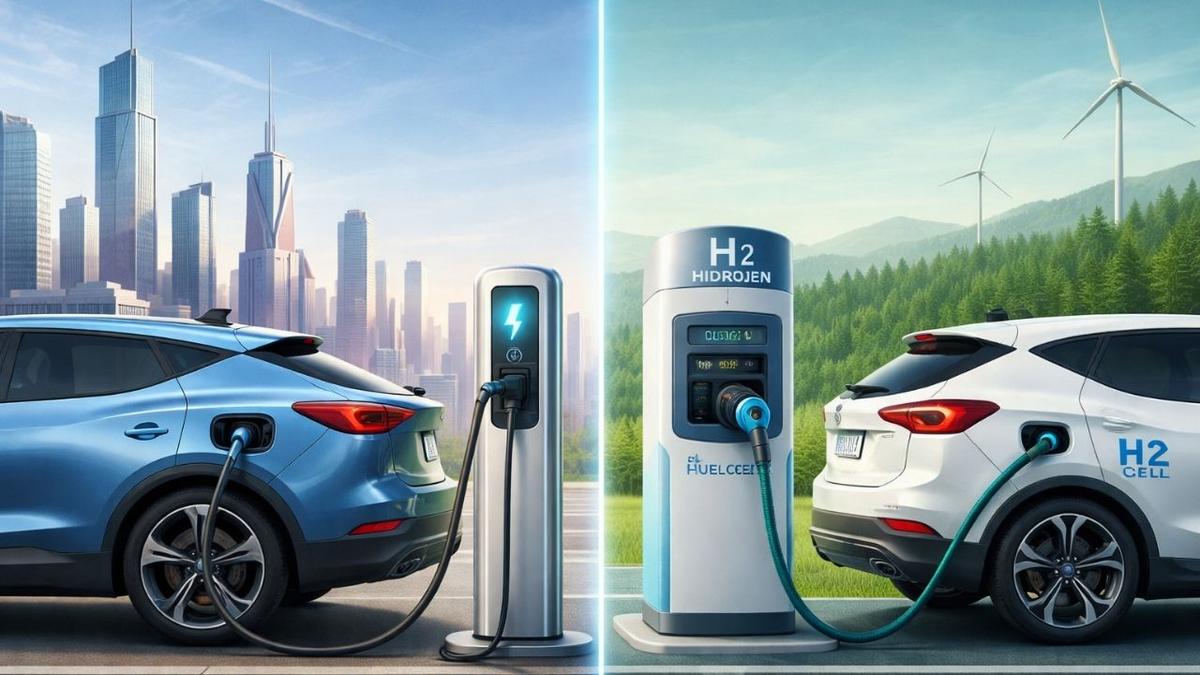
EV vs Hydrogen vs Fosil Fuel 2026 is one of the most critical comparisons for users who want to understand the future of the transportation industry. As of 2026, this three main energy approaches are evaluated not only through environmental effects, but also in terms of cost, performance, infrastructure, user experience.
Comparison Analysis of Electric Vehicles and Fosil Fuel Vehicles in 2026 Home
Energy Efficiency
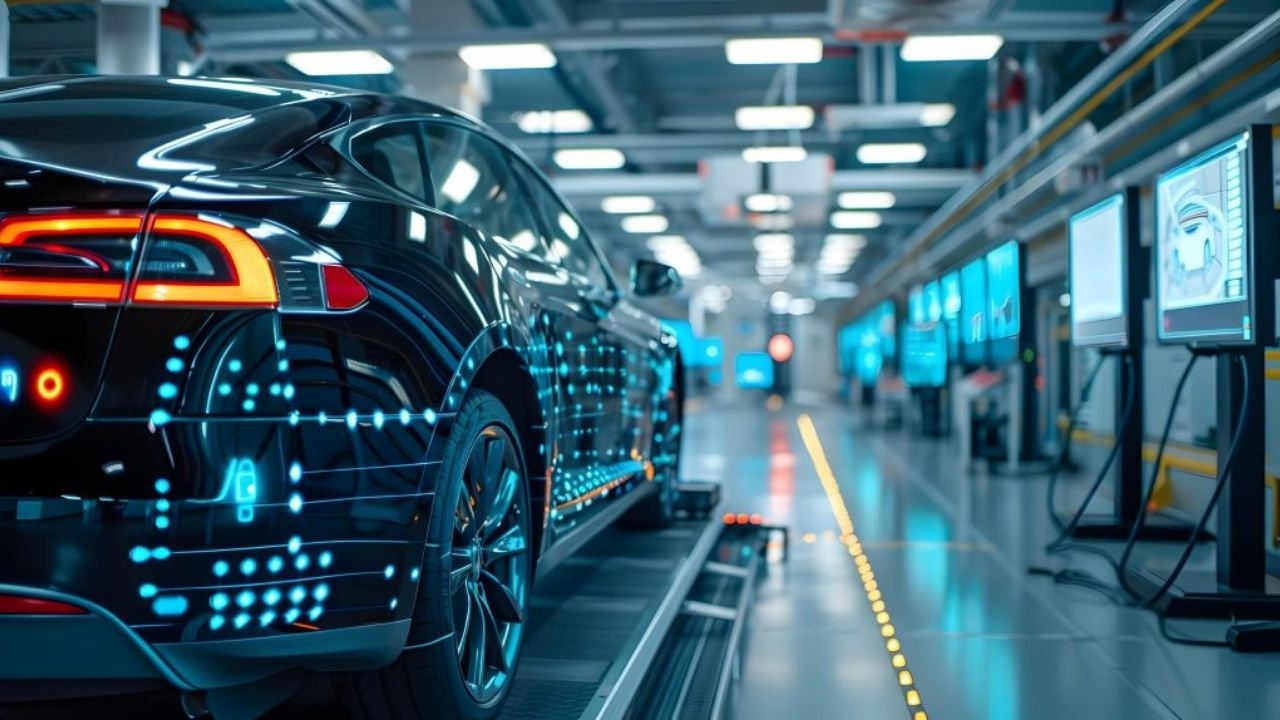
Energy efficiency is the most critical parameter in terms of sustainable transportation costs. Electric vehicles: 70%-90 efficiency, Hydrogen (FCEV): 30%–40 total system efficiency and fossil fuel vehicles remain in 20%–30 bands. EV translates directly into electricity movement energy. Hydrogen (FCEV) monitors electric- hydrogen- electrical- motion steps. On the other hand, the internal combustion motor vehicles turn the fossil fuel into motion after heat, and at this time, high loss is experienced.
Performances by Use Scenarios
EV silent in urban use, low cost and efficient in the leading position. On the long road, the fossil fuel still protects its power, FCEV is preaching next. Hydrogen is advantageous in heavy load transportation.
Electric Vehicle Battery Life Analysis Home
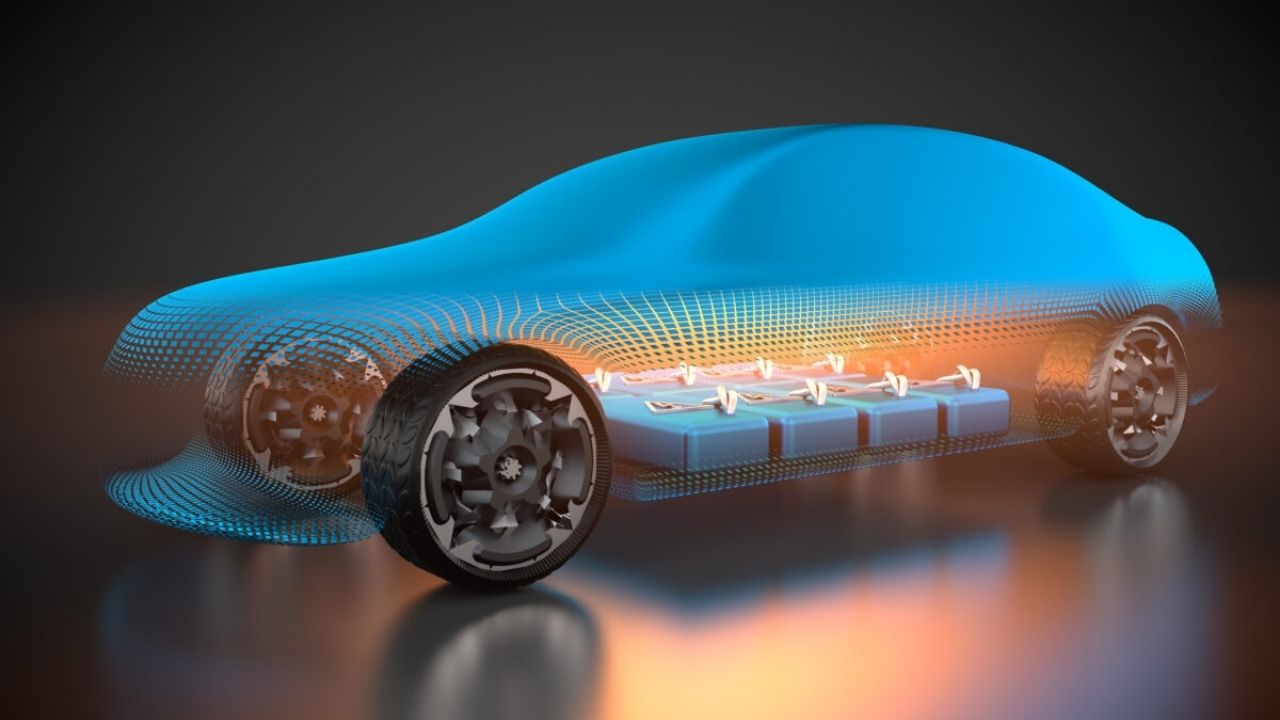
According to electrical vehicle battery life analysis, old worries are targeted at the end of 8 years with the reduction of development and rapid charging effect experienced in thermal management systems as of 2026.
New Generation Battery Technologies Home
Solid-state batteries (solid-state
LFP (luminum iron phosphate) widespread
Lower fire risk
Second Life (Second Life) Usage
The batteries can be used in home energy storage systems and grid balancing, which reduces actual cost.
EV vs Hydrogen vs Fosil Fuel 2026: Is it a Strategic Threat for Hydrogen Fuel Vehicles (FCEV) Electric Vehicles?
Hydrogen technology is an alternative in areas such as “the technology to finish theEV in particular media” and only load handling.
Structure of Hydrogen Ecosystem
FCEV is not only a vehicle:
Hydrogen production (gray, blue, green)
Storage (high pressure)
Transport (logical cost)
Filling infrastructure
This chain is more complex than EV.
Today, the large part of hydrogen is produced from natural gas. If production with renewable energy and electrolysis use is yet an expensive option.
FCEV’s Powerful Areas
TIR transportation
Long distance buses
Industrial vehicles
Criteria | Home | FC |
Productivity | High Quality | Home |
Infrastructure | Arrival | Weak |
Filling | Close | Very fast |
Finance Tags | Falling | High Quality |
Can E-Class (E-Fuels) Technology Disconnected Engines Work?
E-fuels are seen especially as the final stage of internal combustion engines in the automotive world.
Why is E-Fuels Important?
There are more than one billion vehicles on the world and it’s not a realistic goal to translate all to multiple EV. Thanks to E-fuels, gasoline stations can continue to be used and the target of carbon neutralization is carried out.
Energy Loss Largest Problem
E-fuels production is subject to a long phase, such as electricity-produced- hydrogen- carbon-collision- fuel-making- burning in the engine, and energy loss is experienced in every step. Therefore, according to EV, cataract requires more energy.
Looking for 2026 e-fuels have critical importance in strategic sectors, especially aerospace, sea transportation, although they are expensive for individual use.
How to Figure "Multimodal Energy" Period in 2026 Transportation Ecosystem?
Multimodal Energynot only a single energy understanding. Because the usage scenario that each of them stand out is different, energy needs variable and infrastructure conversion takes a long time.
2026 Distribution
Individual use- 60% EV
Commercial transportation- EV and FCEV
Heavy industry and transportation- Hydrogen
Aerospace- E-fuel Tags
Residual charging stations are included in the city plan. Energy storage systems are increasing every day, and smart grids (smart grid). Oil companies turn into electricity provider and make hydrogen investments.

What Technology Gives Higher ROI on Carbon Neutral Transportation Goals?
ROI (Return on Investment)Now important for everyone from individual user to state.
EV ROI Analysis
There are low energy costs and incentives from the direction of income, the first purchase by the expense is high. But in total of 5–10 years, he can deny himself.
FCEV ROI Analysis
Despite its high infrastructure cost, e.g. has great advantage for logistic companies.
Fosil Fuel Vehicles ROI
Although there is cheap entry cost in the short term, the increase of carbon tax and fuel in the long run can not be predicted, so it is a risky investment.
Fuels ROI
Although today is low-cost, it can increase depending on the regulations in the future.
What Technology Really Gains in 2026?
EV vs Hydrogen vs Fosil Fuel can not be said to be gained by a single technology, although there is a very comparison for 2026. However, it’s a fact that every energy comes out in a specific area. EV in the city, Hydrogen in heavy transportation, E-fuel in the aerospace, while in short-term use, fossil fuel comes out. According to the upcoming estimates, the battery costs will continue to fall, the production of hydrogen will be cheap, carbon regulation will harden. EV vs Hydrogen vs Fosil Fuel 2026 analysis considering sustainable transportation costs and environmental targets electric vehicles will continue to be the most rational choice in the short and middle run. But in the long run, it will gain the right energy used in the right place.
WriterConventional Commits Kullanımı: 2026 Yazılım Standartları


Tesla Tam Otonom AI Sürüş Yazılımı: Kontrol Yapay Zekada