The Physical AI Era Arrives: GEN-1 Reaches 99% Success Rate
Automatically translated
 Creator
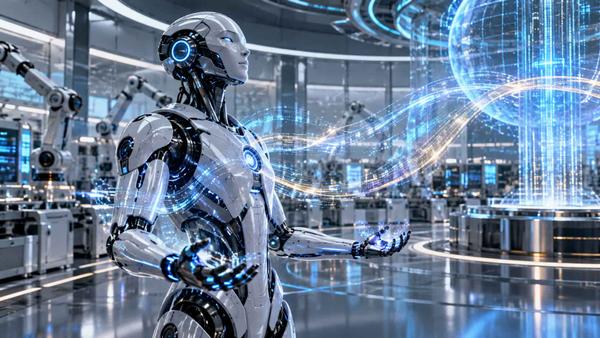
For a long time, AI lived behind digital screens as a "brain in a jar" that produced text, code and images. Today, that is changing fundamentally. We now have a completely new technology called "Physical AI": systems that not only process data digitally, but also sense the physical world, reason while taking physical laws into account, and act directly on the real world. The most striking representative of this new era is the GEN-1 model, announced by Generalist AI, which pushes the success rate of autonomous systems to a level, 99%, that was previously hard to imagine.
A Major Leap in the Physical AI Paradigm
Traditional software-based AI is fed digital data and operates in a closed loop, whereas physical AI acts like a brain with a body. It manipulates its physical surroundings and adapts instantly to constantly changing conditions. The market is estimated at about 383 billion dollars as of 2026 and is projected to grow to 3.26 trillion dollars by 2040. This growth is driving an unprecedented wave of robotics productivity in sectors such as manufacturing, logistics design and healthcare, which make up a large share of global GDP.
The 99% Reliability Threshold and Operational Speed
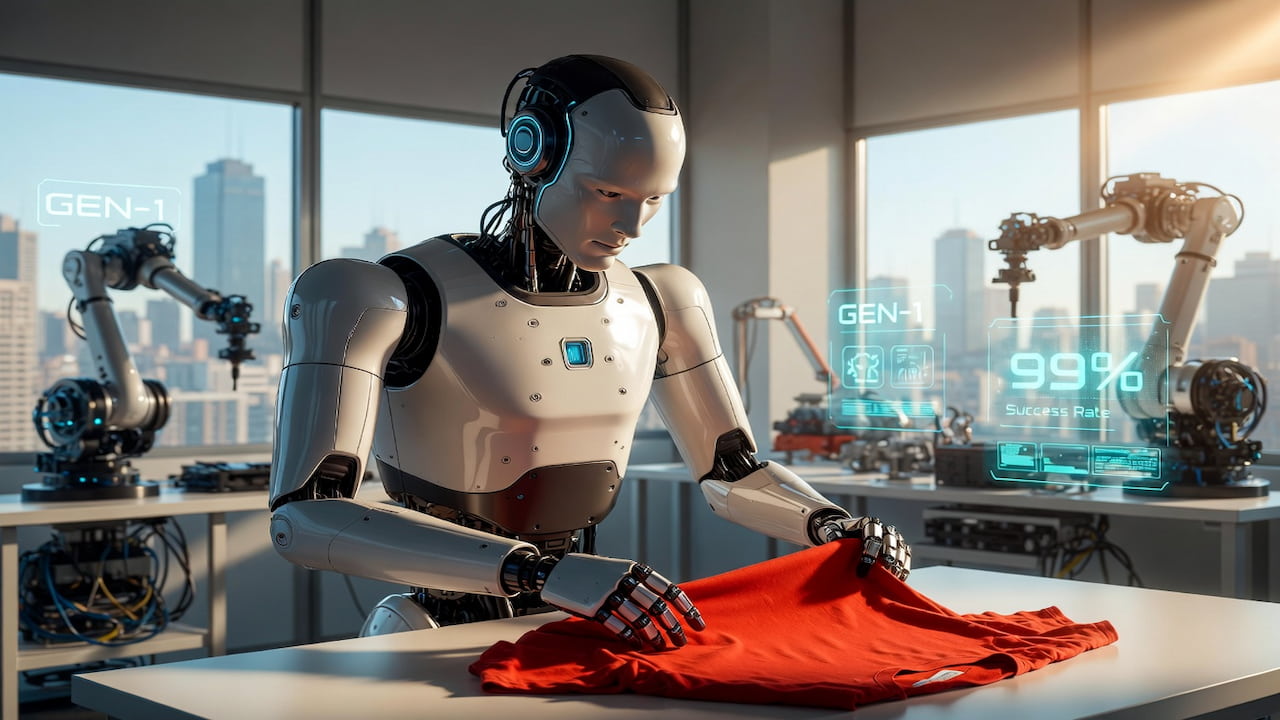
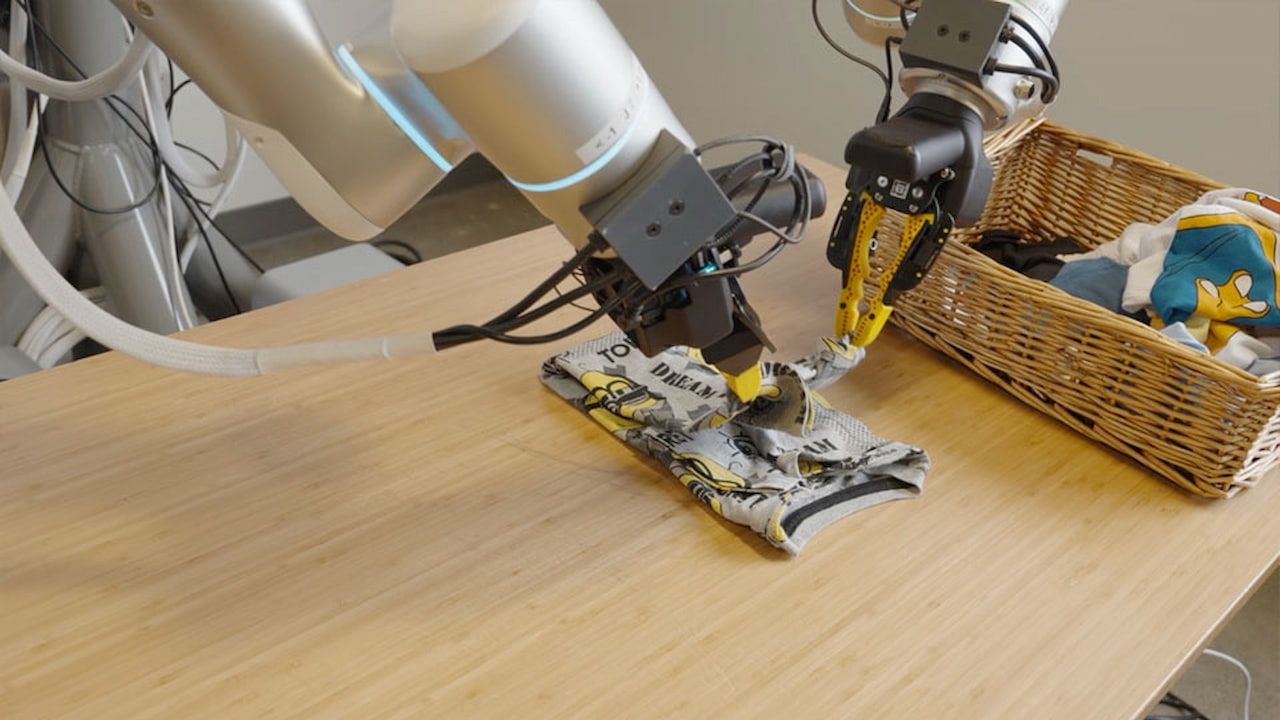
For a general-purpose robot or industrial automation system (for example, Ülker deployed 20 automation robots in its production process) to scale commercially and be profitable, the most critical metric is how long it can operate autonomously and without errors, without requiring human supervision. In the past, commercial robotic models got stuck at success rates between 60% and 80% and often needed human intervention. GEN-1 raises this rate to 99%, removing the biggest obstacle to the widespread use of autonomous machines in factories and everyday life.
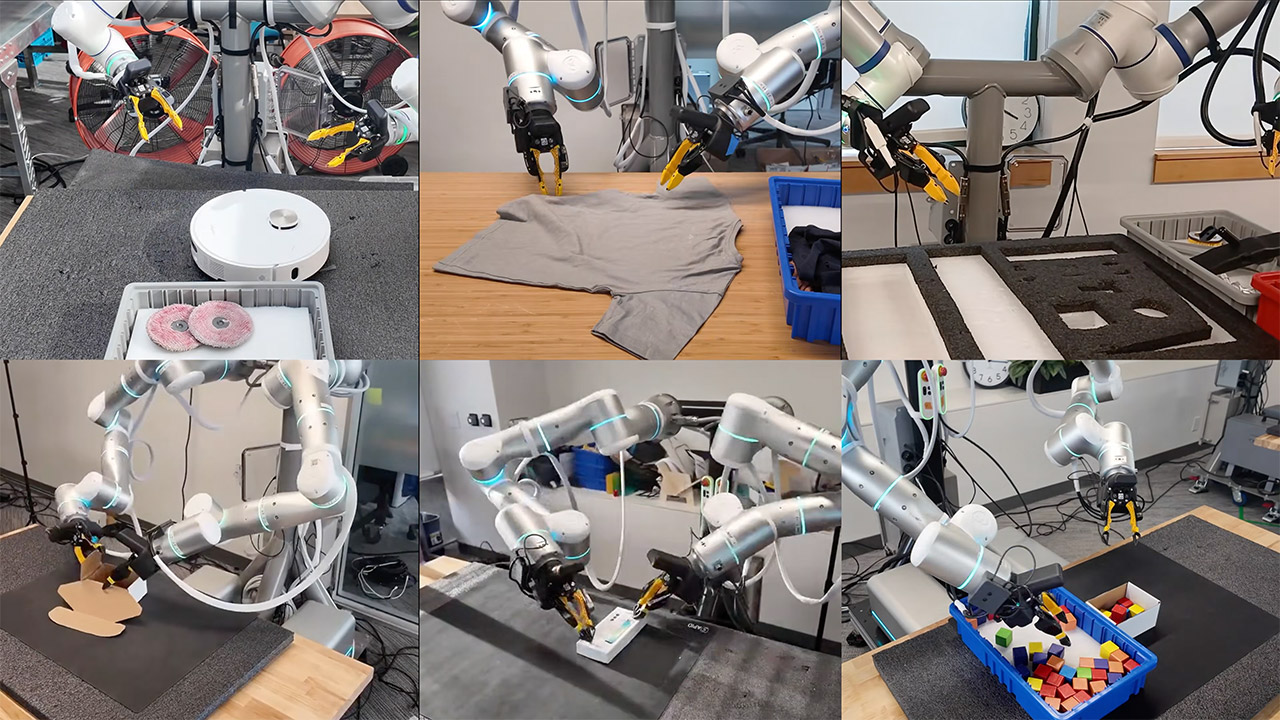
Stress tests show the model's remarkable durability. GEN-1 packed wooden blocks in a row 1,800 times, served robot vacuum cleaners more than 200 times without interruption, and repeated box folding 200 times and phone packaging 100 times in a row with zero errors. Moreover, the robot performed all these tasks about 3 times faster than previous generation models, reaching a peak in operational efficiency. For example, this fluency reduced a standard box assembly from 34 seconds to 12.1 seconds, which comes from the robot's ability to intuitively "feel" the physics of objects.
The Secret of Success: Harmonic Reasoning and Improvisation
So how does this technology work? At the heart of the GEN-1 architecture lies an innovative system called "Harmonic Reasoning". Language models have time to think before producing an output, but in the physical world, gravity and momentum do not wait for the robot to think. Harmonic reasoning combines the processes of perceiving the environment and generating motor commands, so that the robot thinks and moves in an asynchronous yet continuous flow during the action itself.
What makes the technology truly unique, however, is its improvisation ability. When physical AI encounters an unexpected situation, it does not get stuck in a rigid sequence of coded rules; like a human, it produces instant and creative solutions. For example, if a part or a clip slips during assembly, GEN-1 can coordinate both hands to regrasp the object, and gently shake a bag to get a plush toy caught in its opening to go inside. All this physical common sense was acquired through more than 500,000 hours of interaction data collected from people's everyday actions with special wearable devices called "Data Hands". Thanks to this vast data pool, the model needs only one hour of task-specific robot data to adapt to a new general-purpose robot hardware or task.
The Robotics Revolution and the Economy of the Future
GEN-1's high performance on production lines and in logistics warehouses at companies such as Hyundai and BMW is redefining industrial standards from the ground up. While Google's RT-2 model and Tesla's vertically integrated Optimus project are making major strides in their own areas, GEN-1's hardware-independent 99% success rate and speed advantage is creating enormous appeal for commercial companies.
In short, the entry of this new model into the sector is an official declaration that AI has completed its digital childhood and entered a stage of physical maturity. The era of physical AI, in which machines not only see and hear but move with an understanding of the rules of the physical world, as a skilled human craftsperson does, has officially begun. The 99% success rate achieved is only a starting point for a much larger robotics revolution on the horizon.
CreatorMaaşınızı Bir Robot Ödese? İlk Yapay Zeka Patron: Luna


Yapay Zeka Avatar’da Yeni Çağ: HeyGen Avatar V Geldi!