Industrial Otonomi: Small Language Models and Autoprotective
Automatically translated
 Admin
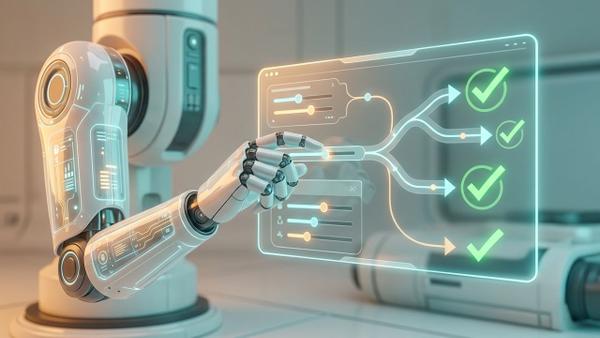
AdminIndustrial production lines work with the specified automation rules for a long time. However, dynamically changing control policies with natural language commands make this area from root. A research published recently carries out industrial otonomie with a rule-oriented small language models (SLM) and multiple agent self-correct mechanisms. This new approach promises more efficient and accurate processing of production processes.
Industrial Autonomous New Period
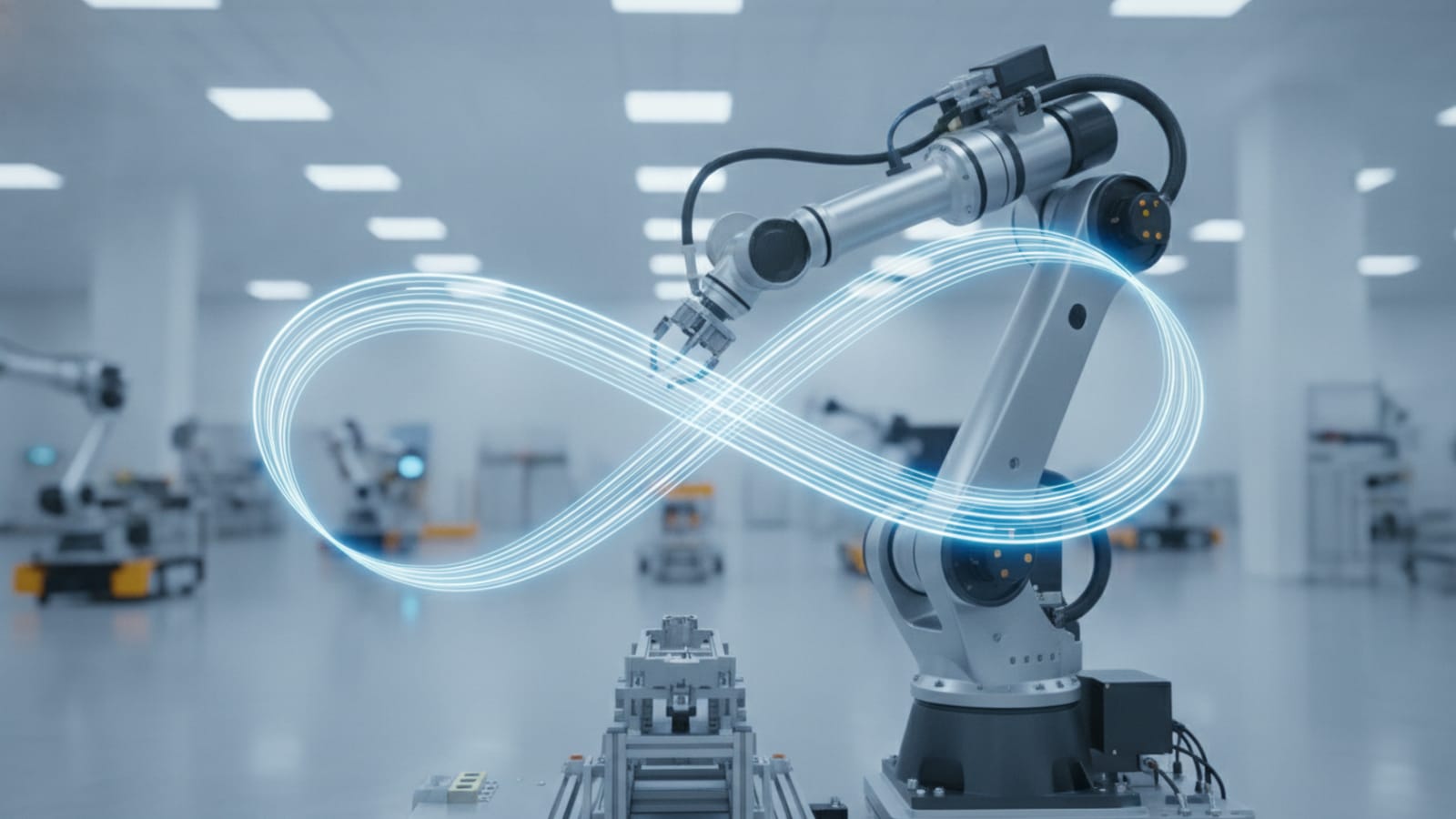
recently released in arXiv The article titled "Closed-Loop Control with Rule-Aligned Small Language Models and Multi-Agent Self-Correction" refers to a critical milestone on the road to autonomous in industrial operations. Working in natural language requirements of artificial intelligence agents Home Control automatically researches the ability to create and restructure policies. This approach aims to optimize production processes by minimizing and eliminating human intervention. The article emphasizes that the accuracy of plant consciousness, especially digital twins, the actions produced by artificial intelligence (AI) before the execution of the actions. Extract delays in traditional systems aim to be vaccinated by the nature of small language models with faster and efficient operation.
What is Indoor Loop Control and Why Important?

Closed loop control (closed-loop control) is a principle that constitutes the basis of automation and motion control systems. These systems constantly measure the output, compare it with the desired target and apply corrective actions automatically in any deviation. This feedback mechanism enables systems to protect their precision, repeatability and distortion despite the actual world conditions such as changing loads, temperature shifts or friction. In industrial context, these systems improve production quality, optimize energy efficiency and improve safety standards.
Small Language Models (SLM) Upgrade Home
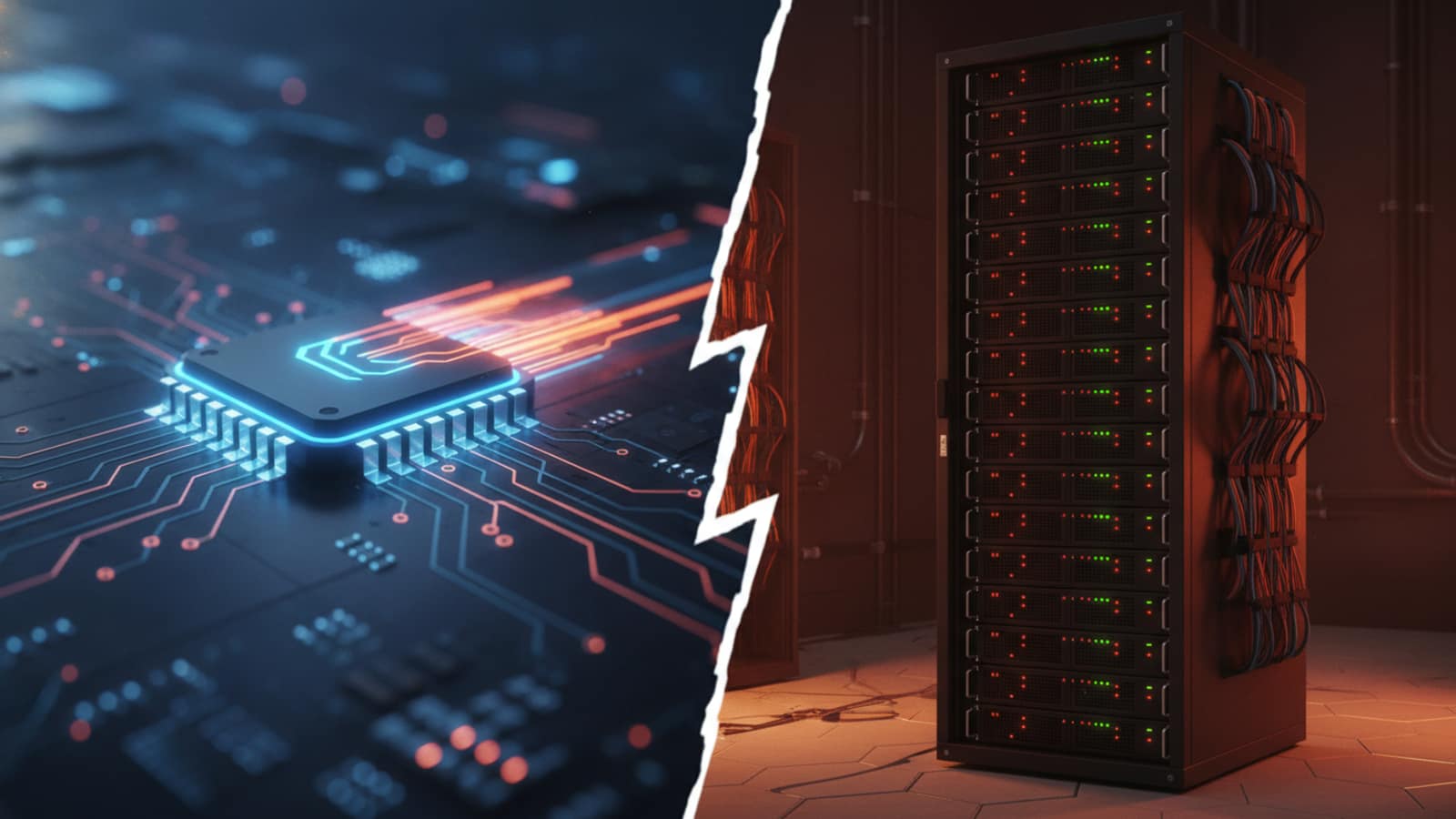
Small language models (SLMs) are artificial intelligence systems that usually have parameter from 100 million to 20 billion. They require less resources compared to large language models (LLM) make them attractive for industrial applications.
Advantages:
Efficiency and Low Delay Time: SLMs do faster, have lower operational costs and consume energy with much less calculation strength. These features enable millisecond response times especially in real-time industrial applications.
Edge Computing (Edge Computing) Ability: Smartphones can often work offline on resource restricted devices such as Internet of Things (IoT) systems, embedded platforms and industrial gateways. This ensures that critical operations are kept in downtime or non-stop connections in industrial environments.
Security & Privacy: It prevents sensitive industrial data from being out of the facility by allowing the data to be processed locally and reduces safety risks.
Specialized Performance: When fine adjustment (fine-tuning) is performed according to a specific area or narrow tasks, SLMs can perform better or similar performance than LLMs in these special areas.
"Kural-oriented" means SLMs create compatible control policies with certain guidelines and requirements. This makes it more successful in compliance with strict industrial rules, unlike extensive language models.
Multiple Agent Self Correctional Mechanisms
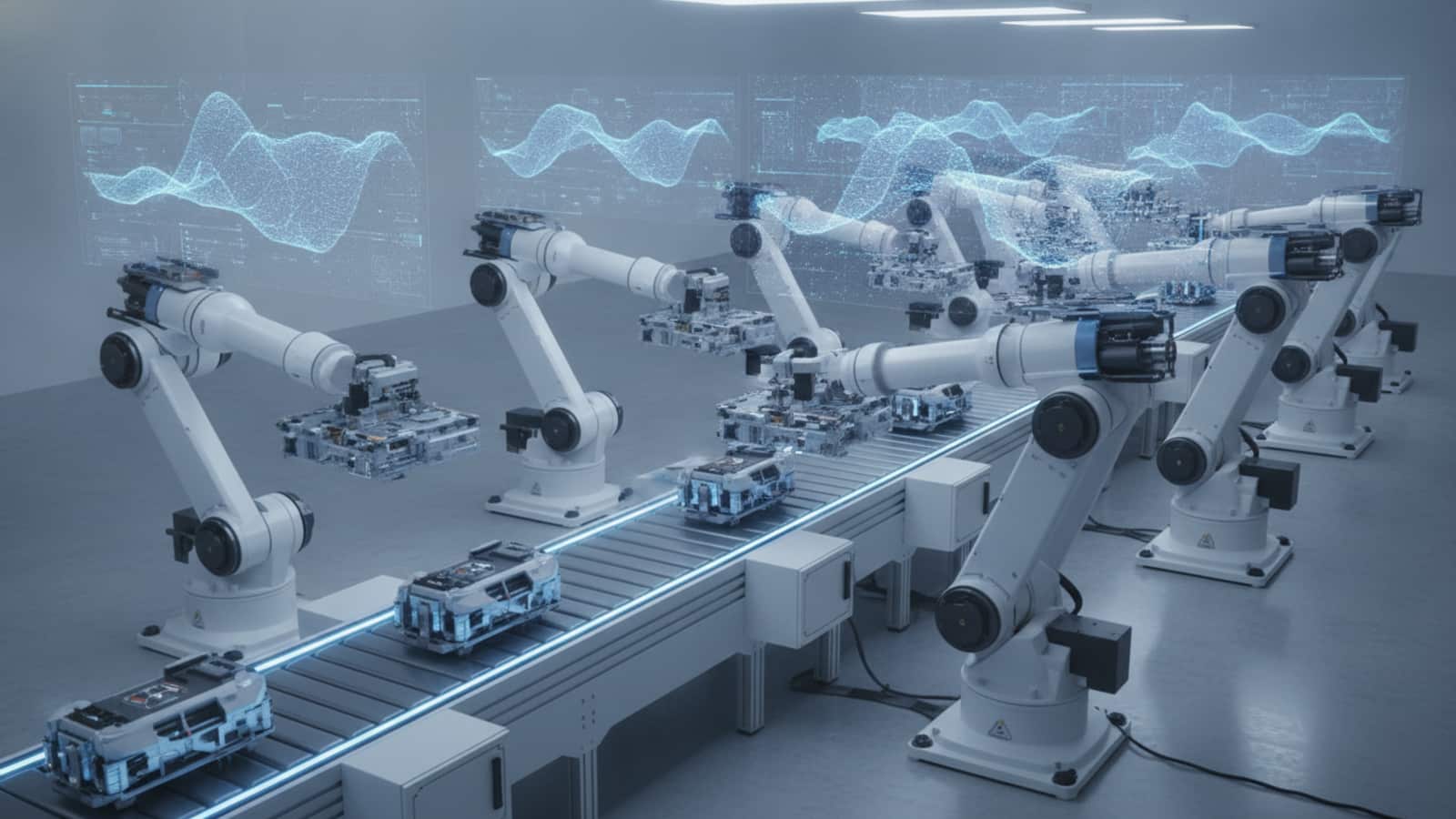
Multiple agent systems consist of multiple autonomous calculations that collaborate to achieve individual or collective goals. Due to the potential of chaining errors in these systems, the ability of self-correction (self-correction) is critical.
Self-correction Methods:
Configured Critical Cycles: Systems produce output, evaluate and regenerate according to quality thresholds.
Metabitive Frames (MASC): Real-time triggers a corrective agent when an error is detected by making uncontrolled step-level error detection and allows information to be corrected before spreading the system.
Semantic Routing and Symbolic Guides: Direction of tasks to correct agents and follow the system required limitations that provide the application of strict rules (e.g., whether the "let is absolutely JSON"). A self-correcting cycle is triggered when these guides are not sleeping.
Self-correction (STaSC): SLM only allows them to learn self-correction through recurrent fine adjustment using their own data.
Artificial Intelligence Agents in Autonomous Industrial Operations
Smart factories and industrial automation, artificial intelligence agents represent the transition from solid automation to intelligent, self-managed systems. These agents can detect the environment, analyze complex molds, can coordinate with other systems and optimize production without continuous human supervision. 29% of organizations are already using agent-based artificial intelligence, 44% plans to apply in the next year. Gartner predicts that corporate software applications will contain 33% of agent-based artificial intelligence until 2028.
Application Areas:
Production planning and scheduling
Adaptive process control
Equipment diagnosis and cutout look m
Supply chain optimization u
Quality control and root cause analysis Home
Real-time energy optimization u
These systems provide the ability to increase efficiency, reduce fault rates, reduce operational costs and make better decisions. It also provides benefits such as proactive problem solving and learning the information of experienced employees.
What is the Community
Supporters
Rule-oriented SLM’s industrial autonome integration sees wide support as it can significantly increase operational efficiency and reliability. The supporters highlight that particularly SLMs meet low latency and edge IT capabilities, critical requirements in real-time industrial applications. Multiple agents self-correcting mechanisms offer a solid infrastructure, allowing systems to improve text from errors even without human intervention.
News
Some experts are concerned about the complexity and initial costs of these new approaches. Integration challenges to existing infrastructures can pose an obstacle especially for organizations with older systems. Furthermore, there are also questions about possible ethical problems and cyber security risks in the processes of autonomous decision-making of artificial intelligence agents. In the development of completely closed loop control systems, discussions continue on the long-term effects of the completely disabled of human surveillance.
Frequently Asked Questions
Will Rule Oriented SLMs Place Traditional Control Systems?
Rule-oriented SLMs offer a complementary development of existing traditional control systems. Instead of taking full locations, they will enable existing systems to become more flexible and smart, especially with natural language processing and adaptive learning capabilities. They can offer an important advantage especially if they require quick response and edge computing.
Why Critical is Digital Gemini?
Digital twins ( twindigitals) ensure that control policies and actions created by artificial intelligence are tested on a virtual model before executed in a real environment. This provides a vital verification layer that helps to identify potential errors and risks in advance, improve the reliability of the system and accelerate optimization processes.
How Does This Technology Affect Industrial Safety?
This technology has the potential to improve industrial safety thanks to automatic detection and correction of errors. However, new security concerns such as unexpected behaviors or cyber attacks risks that AI agents can cause themselves can also lead. Therefore, robust security protocols and continuous audit integration is important.
Is Small Language Models Better Than Large Language Models In Any Case?
No, small language models are not better than large language models in any case. SLMs can perform superior performance in certain, narrow tasks and resource restricted environments (low lag, edge computing), LLMs are more successful in scenarios requiring complex language understanding and overall information in more extensive tasks. The choice depends on the specific requirements of the application.
Industrial Automation The future is shaped by becoming smarter and autonomous in artificial intelligence. The combination of closed loop control and multiple agent self-correct mechanisms of small language models with a rule-oriented, from the factory floor to the supply chain, carrying the capabilities of efficiency, reliability and adaptation in many areas to a new level. These developments lead the production not only faster, but also smarter and self-sufficiency.
AdminYUKTI: Dil Modelleriyle Sağlam ve Doğrulanabilir Kararlar


GPT Live Nedir? OpenAI Canlı Ses Modu Özellikleri