Netflix Uses Generative AI in More Than 300 Productions
Automatically translated
 Writer
Netflix no longer sees generative AI as a technology that only improves the user experience. According to the company's statement after its second-quarter financial results, Netflix's generative AI technologies are currently being actively used in the development and production processes of more than 300 films and series. This is the first time the streaming giant has shared usage figures at this scale, which suggests that generative AI in the entertainment industry is moving from an experimental technology to an integrated part of real production workflows.
Over the past two years, companies such as OpenAI, Google, Anthropic and Meta have released new models one after another, while Hollywood has taken a more cautious approach. The main reason was uncertainty about how AI should be used in creative processes. Netflix's latest statement suggests that this uncertainty has at least significantly decreased for the company.
There is an important detail to note, however. Netflix does not say that AI produces films or series on its own. The company's message is much clearer: generative AI is not a system that replaces creative teams, but a professional tool that helps them work faster and more efficiently.
Why Did Netflix Announce This Now?
The reason behind this announcement lies not only in technological progress but also in changing dynamics in the industry. As streaming platforms struggle with rising production costs in recent years, solutions that make production processes more efficient have become more important than ever.
The Message Delivered at the Financial Results Meeting
The company shared its data on generative AI use during the meeting where its second-quarter financial results were discussed. This choice is not a coincidence. Financial results presentations are used not only to disclose revenue and subscriber numbers, but also to show investors the company's long-term strategy.
Netflix's management wanted to show that generative AI is no longer in the research stage and has become part of operational processes. The phrase "more than 300 productions" supports exactly this message.

Why Was the 300-Production Figure Shared for the First Time?
Technology companies have generally preferred to describe AI use through a few example projects. Netflix, however, shared the scale of its usage directly for the first time.
This figure is important for two reasons. First, the company showed that generative AI is not used only in pilot projects. Second, it gave investors concrete data showing that AI investments have turned into real production processes.
This announcement may also put pressure on other major players in the sector. Companies such as Disney, Amazon MGM Studios, Warner Bros. Discovery and Paramount are expected to share more information about their AI strategies in the coming period.
The Central Issues in the AI Debates
The main issues that screenwriter and actor unions have objected to were these:
Using AI in screenplay writing
Creating digital copies of actors without permission
Using copyrighted content in training data
The long-term impact of AI on creative professions
Although Netflix's statements do not directly respond to these debates, the language it uses stands out. The company describes generative AI not as a technology that replaces creative professionals, but as one of the tools they use. This approach can be seen as a deliberate communication strategy that takes the sector's sensitive balances into account.
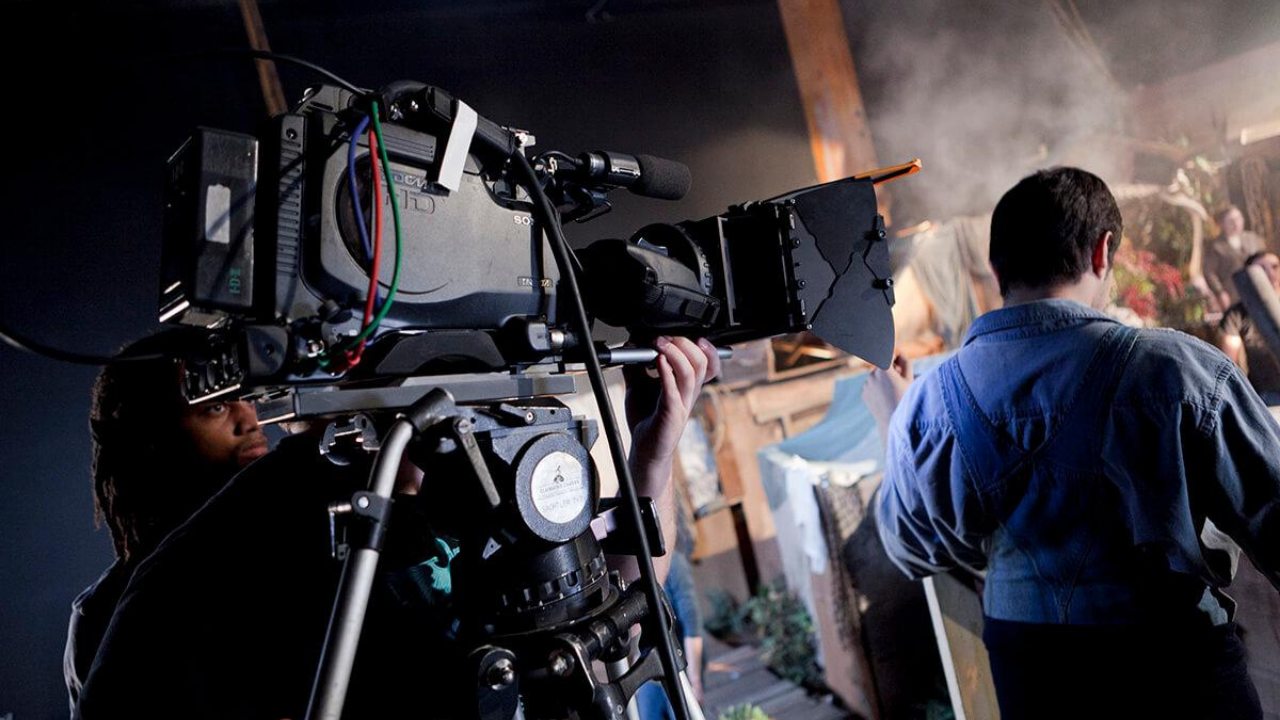
In Which Processes Does Netflix Use AI for Content Production?
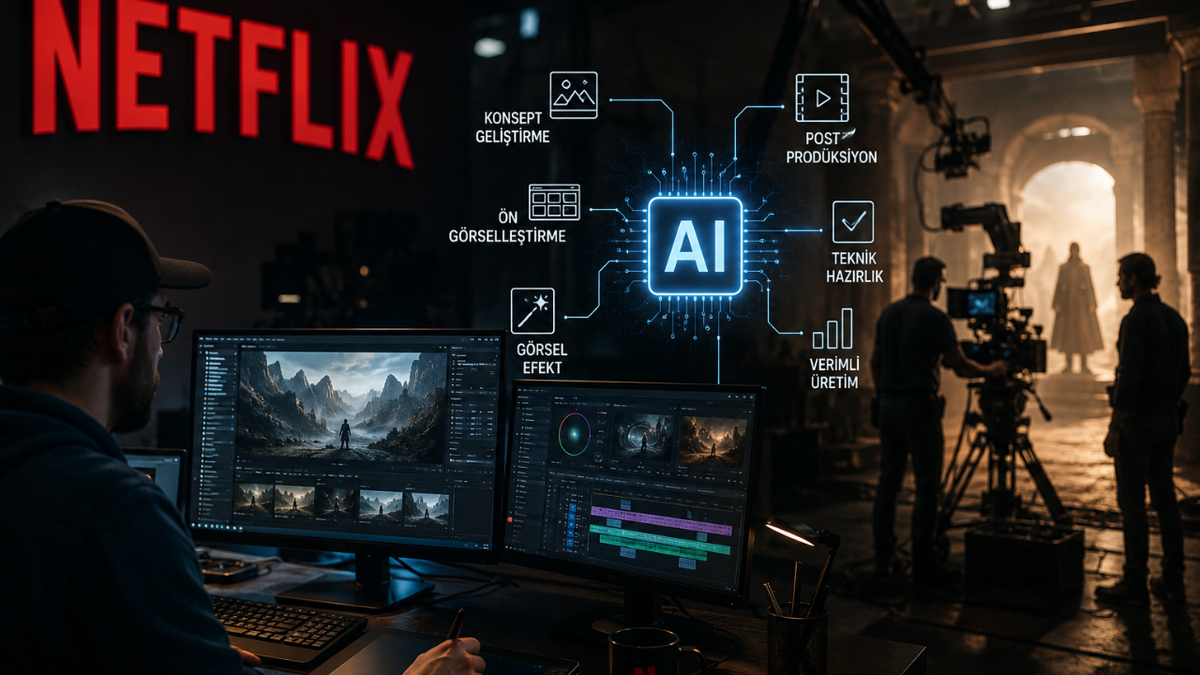
The information Netflix has shared shows that the use of AI in filmmaking is not limited to a single department. Generative AI tools have been integrated into a wide workflow that stretches from idea development to post-production.
Concept Development and Previsualization
One of the most critical stages of a production is preparation. Directors and art teams spend long periods planning how scenes will look before shooting begins. Thanks to generative AI, concept designs, scene alternatives and previsualization work can be prepared much faster. This allows teams to evaluate different creative ideas before filming.
Benefits for Directors
With AI-supported previsualization tools, directors can test camera angles in advance, compare scene compositions, create the visual atmosphere earlier, and identify technical problems that may arise on shoot day. This not only saves time but also helps make production planning more efficient.
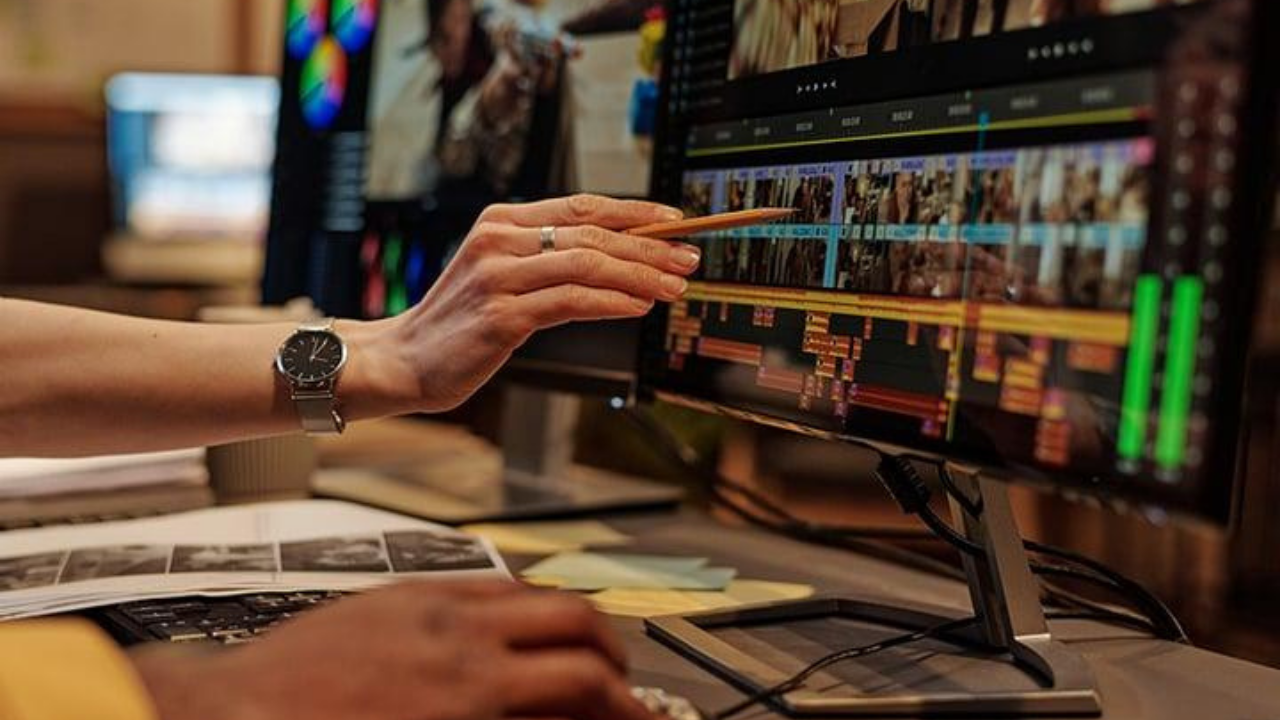
Visual Effects Processes
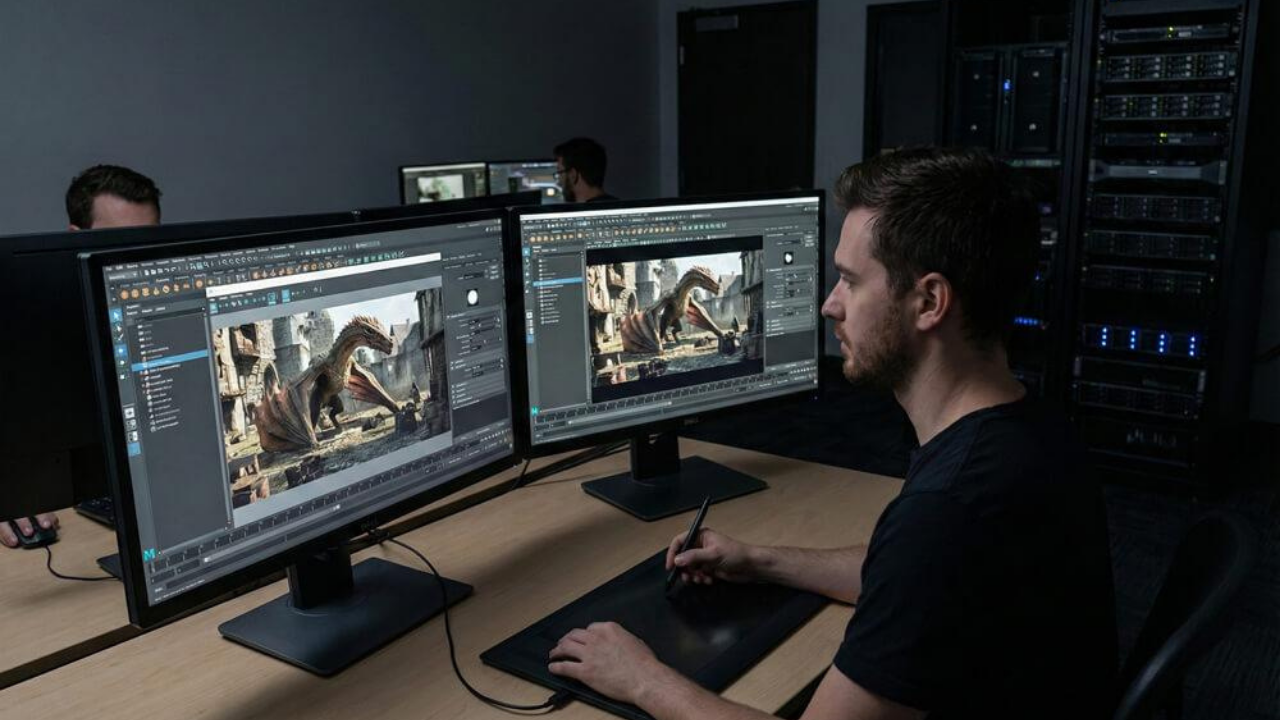
One of the areas where Netflix benefits most from generative AI is visual effects (VFX). In traditional productions, VFX work creates a heavy workload that can take months after filming is complete. Background adjustments, digital object creation, lighting adaptations and scene refinements in particular require large amounts of time and money.
According to the company's statements, generative AI does not automate all of these processes. Instead, it helps VFX teams complete repetitive technical tasks more quickly. This allows artists to spend more time on sections that require creative decisions rather than routine operations.
This approach reflects a new production model that has recently begun to be adopted not only at Netflix but at many large studios. AI is positioned not as a system that substitutes for human creativity, but as a technology that increases the productivity of existing teams.
How Is Post-Production Being Accelerated?
Post-production is not limited to visual effects. It covers many different stages, including editing, color grading, sound synchronization and technical quality control.
Generative AI tools support teams especially in areas such as preparing first drafts, creating visual variations and speeding up some technical adjustments. In this way, long manual processes can be completed in less time.
Netflix's statements particularly emphasize that AI is not the system that makes the final decision. Final approval and all creative choices are still made by directors, editing teams and visual effects specialists.
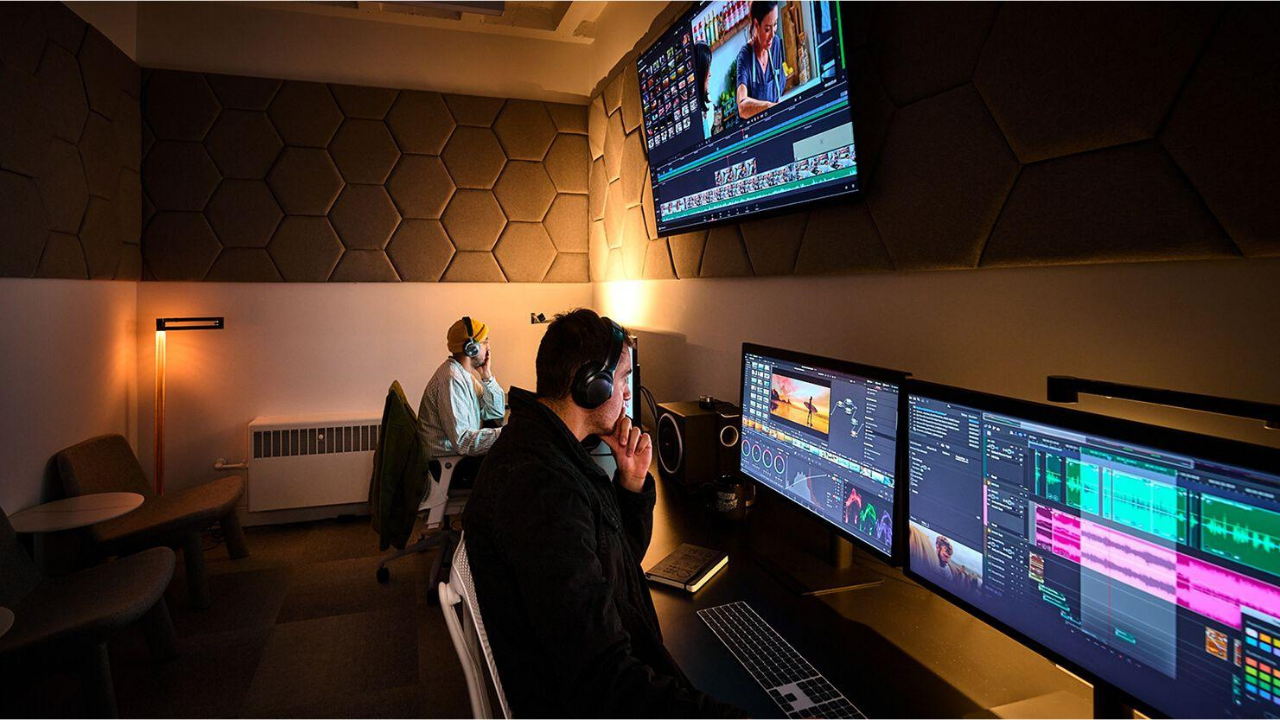
Delivery and Technical Preparation Processes
Completing filming is not enough for a film or series to be released. The content must be prepared in different resolutions, undergo technical checks and meet broadcast standards.
Netflix states that generative AI also takes on certain tasks in these operational processes. In this way, technical teams can focus more on quality management instead of time-consuming checks.
Does AI Make Creative Decisions?
Netflix clearly states that generative AI is not a system that makes creative decisions. Directors, screenwriters, cinematographers, art directors and editing teams remain at the center of the production process.
AI, on the other hand, is used as a professional assistant tool that speeds up idea generation, creates alternatives and reduces technical workload. This approach stands out as one of the clearest corporate messages in response to the "Will AI replace people?" debates that have taken place in Hollywood in recent years.
What Does "More Than 300 Productions" Mean?
The "more than 300 productions" figure Netflix has announced may at first seem like just a striking statistic. However, this number is quite important because it shows the scale of generative AI use within the company.
Until now, technology companies have mostly shared specific pilot projects or a limited number of example studies with the public. Netflix, for the first time, officially confirmed that hundreds of professional productions have benefited from AI-supported workflows.
This shows that generative AI is no longer a future-oriented experimental technology, but has become part of operational processes.
How Should This Figure Be Read?
The most critical point is that the phrase "300 productions" should not be misinterpreted. Netflix does not say that all of these projects were produced with AI. According to the announcement, generative AI is used at different levels in different productions.
In some projects, a tool used only in the concept development stage may contribute to visual effects production or post-production work in another. The way it is used depends entirely on the needs of each project.
The Critical Detail in Netflix's Statement
The point the company particularly emphasizes is that generative AI does not automatically produce an entire film or series. This detail matters because there is a widespread perception that generative AI will eliminate creative teams entirely. Netflix's statement instead points to a hybrid production model. This model, in which human creativity and AI-supported tools work together, may become the new standard in the sector in the coming years.
Its Importance for Streaming Competition
Netflix's announcement does not concern only its own operations. It also offers important clues about how competition in the streaming sector will take shape.
In a period when content costs keep rising, companies that can speed up production processes may gain a competitive advantage. Shorter preparation times, faster project delivery and more efficient workflows are strategically important, especially for global streaming platforms.
For this reason, the usage scale Netflix has announced is expected to accelerate the AI investments of Disney, Amazon MGM Studios, Warner Bros. Discovery and other major media companies.

Why Are Ted Sarandos's Statements Important?
To understand Netflix's generative AI strategy, the statements of the company's Co-CEO Ted Sarandos are critical. Over the past two years, many AI announcements from technology companies have raised the question "Will AI replace creative professionals?" Netflix, rather than entering the center of this debate, prefers to clearly explain how it positions generative AI.
The main message in Sarandos's statements is that AI is used not to replace creative teams, but to help them work more efficiently. The company's approach defines AI not as a new content creator, but as a professional technology that supports the production process.
This message is also consistent with the technology strategy Netflix has adopted in recent years. The company has previously used automation technologies in recommendation algorithms, content personalization and streaming infrastructure. Generative AI represents the new link in this transformation, extending into content production.
The "AI Is Not Replacing Creators" Message
A point Ted Sarandos has particularly emphasized is that AI does not take over creative decisions. According to the company's statements, the people who write scripts, direct scenes, guide actors or determine the visual language of a film are still humans. AI serves as a helper that allows teams to produce more alternatives and complete technical tasks faster.
Considering the ongoing AI debates in Hollywood, this approach strikes an important balance. Netflix both incorporates the technology into production processes and continues to emphasize the importance of creative professions.

Netflix's Long-Term AI Strategy
One of the messages the company has given is that generative AI is not a temporary technology investment. Netflix views AI not merely as a new tool being tested in specific projects, but as an important component of its long-term production infrastructure. The usage scale of more than 300 productions announced is the most concrete indicator of this approach.
Is AI Really Lowering Production Costs in Filmmaking?
One of the most frequently cited advantages of generative AI is cost reduction. However, the sector has so far shared very few concrete examples on this issue. The information Netflix has provided shows that AI can bring efficiency, especially in time-consuming production processes. The company states that in some productions, production time was significantly shortened and teams were able to work faster.
The Production Example Netflix Shared
When sharing examples of how generative AI is used in practice, Netflix particularly highlights preparation and post-production processes. The fact that tasks such as concept development, preparation of scene drafts and visual effects planning can be completed in less time allows teams to devote more time to creative decisions.
This approach does not only provide a cost advantage. It also contributes to managing production schedules more efficiently.
Why Is Saving Time More Important?
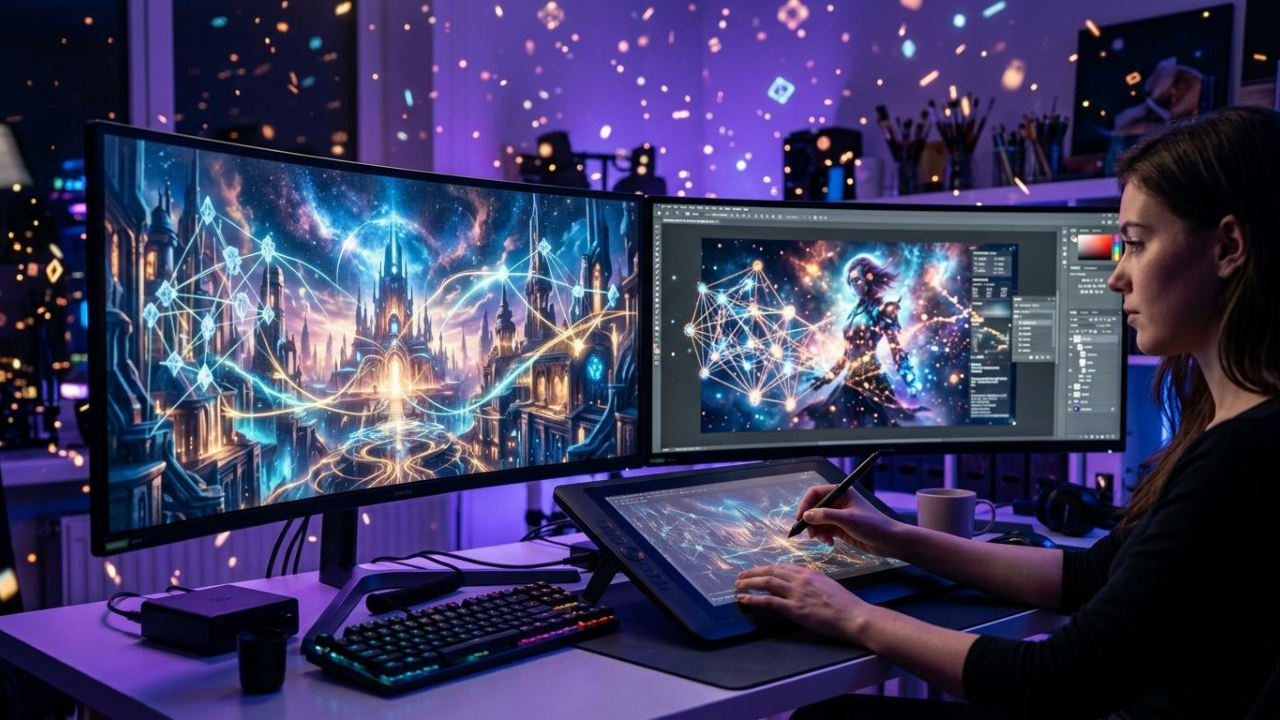
In large-scale film and series projects, the most valuable resource is often not the budget but time. Delays in the shooting schedule can create additional costs in many areas, from actor schedules to equipment rentals. Delays in delivering visual effects can directly affect release dates.
By speeding up repetitive technical tasks in particular, generative AI can help keep this process more controlled.
New Opportunities for Short Films and Independent Productions
One of the most important advantages AI may offer emerges for production teams outside major studios.
Independent producers making short films with more limited budgets can access some production capabilities they previously could not reach thanks to AI-supported tools. The ability to carry out concept design, previsualization or certain visual effects work at a lower cost is seen as a development that can increase the competitiveness of small teams.
At the same time, it is clear that generative AI alone will not produce a successful film. Strong storytelling, creative vision and experienced teams remain the essential elements of content production.
Do Google and OpenAI Follow Different AI Strategies From Netflix?
Netflix's integration of generative AI into production processes becomes clearer when evaluated alongside the AI strategies technology companies have pursued recently.
OpenAI and Google Focus on End Users
OpenAI offers generative AI through ChatGPT and developer tools for daily use by individuals and organizations. Google, on the other hand, aims to reach a much broader user base by integrating Gemini into Search, Workspace and the Android ecosystem.
According to information reported by Android Police, Google is preparing to move to a new model that will make Gemini usage limits more flexible. This change supports the company's strategy of making generative AI a natural part of daily use.
Why Is Netflix's Approach Different?
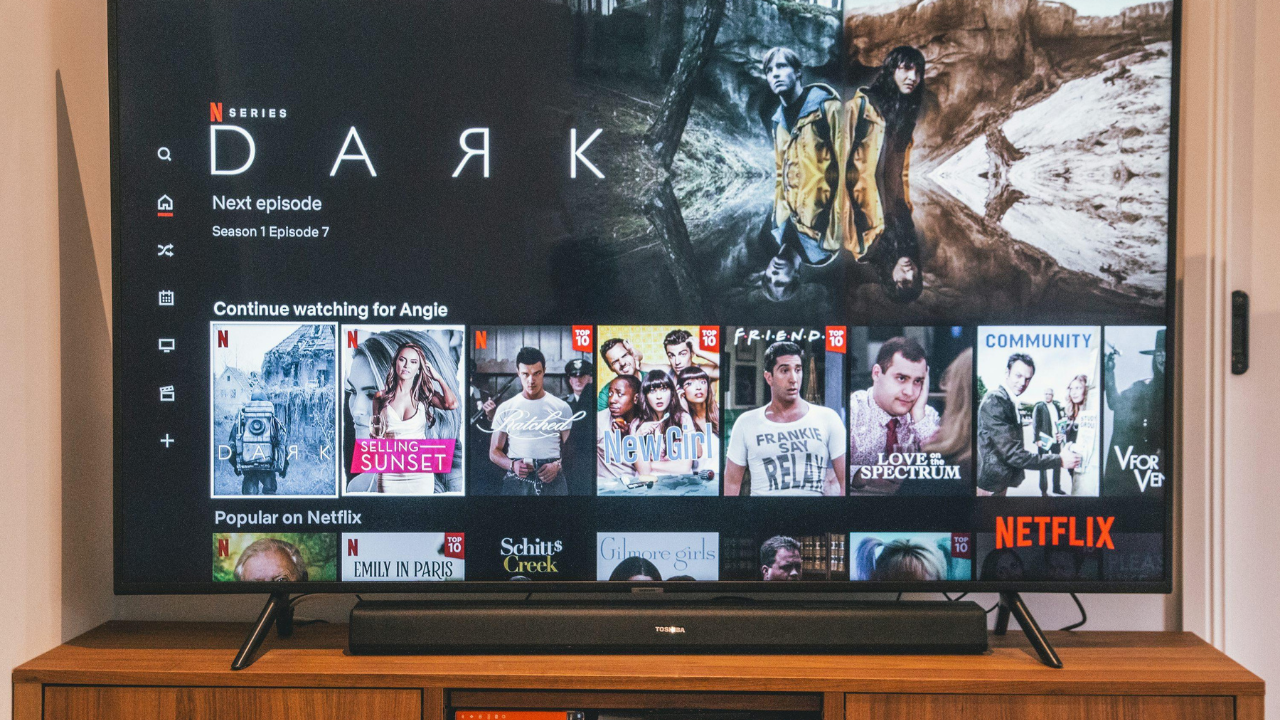
Netflix, on the other hand, positions generative AI not as a product offered to end users, but as a professional technology working behind the scenes of content production.
This difference also reveals the priorities of these companies' AI investments. While Google and OpenAI focus on user experience, Netflix is investing in improving operational efficiency and content production processes.
How Could Netflix's AI Strategy Change Content Production?
The information Netflix has shared suggests that the role of generative AI in the entertainment industry will continue to grow.
More Efficient Production Processes
Thanks to generative AI, time-consuming processes such as preparation, previsualization and post-production can be completed faster. This has the potential to increase production efficiency in both large-budget projects and smaller productions.
The New Center of Competition
In the coming years, competition will not be shaped only by the question "Who developed the most powerful AI model?" The real difference will be made by companies that integrate AI most successfully into real work processes. The usage data of more than 300 productions that Netflix has shared also shows that this transformation is no longer a theoretical future scenario.
Frequently Asked Questions
Does Netflix Really Use Generative AI in More Than 300 Productions?
Yes. In its statement after the second-quarter financial results, Netflix announced that generative AI has been used in different development and production stages of more than 300 film and series projects.
Does Netflix Produce Its Films Entirely With AI?
No. The company states that generative AI is not a system that replaces creative teams, but a professional tool that supports production processes.
In Which Areas Is AI Used in Filmmaking?
According to Netflix's statements, generative AI is used in concept development, previsualization, visual effects, post-production and some technical preparation processes.
What Is the Difference Between Google Gemini and Netflix's AI Approach?
Google develops Gemini as a platform focused on the end-user experience, while Netflix integrates generative AI into professional workflows used by its content production teams.
Could AI Replace Directors and Screenwriters in the Future?
Netflix's current approach does not point in that direction. The company describes generative AI not as a system that replaces creative professionals, but as a supporting technology that speeds up production processes.
WriterWWII UFO Raporları Ortaya Çıktı


Samsung Internet Browser One UI 9 ile Güçleniyor