Skip to content
Back to blog list
NG1 ve DN1: Yapay Zeka ile Geliştirilen Yeni Antibiyotikler
Artificial Intelligence

NG1 and DN1: New Antibiotics developed by Artificial Intelligence

Automatically translated
Masqot Community
Masqot CommunityCreator
3 min read
While antibiotics are one of the basic stones of modern medicine, the wrong use gives fatal results. The World Health Organization defines it as one of the biggest threats for 'Global Health. Artificial intelligence-supported studies against this danger hope; new antibiotics called NG1 and DN1 offer a strong solution to resistant bacteria.

While antibiotics are one of the basic stones of modern medicine, the wrong use gives fatal results. The World Health Organization defines it as one of the biggest threats for 'Global Health. Artificial intelligence-supported studies against this danger hope; new antibiotics called NG1 and DN1 offer a strong solution to resistant bacteria.

New Antibiotic Discovery with Artificial Intelligence
NG1 ve DN1: Yapay Zeka ile Geliştirilen Yeni Antibiyotikler

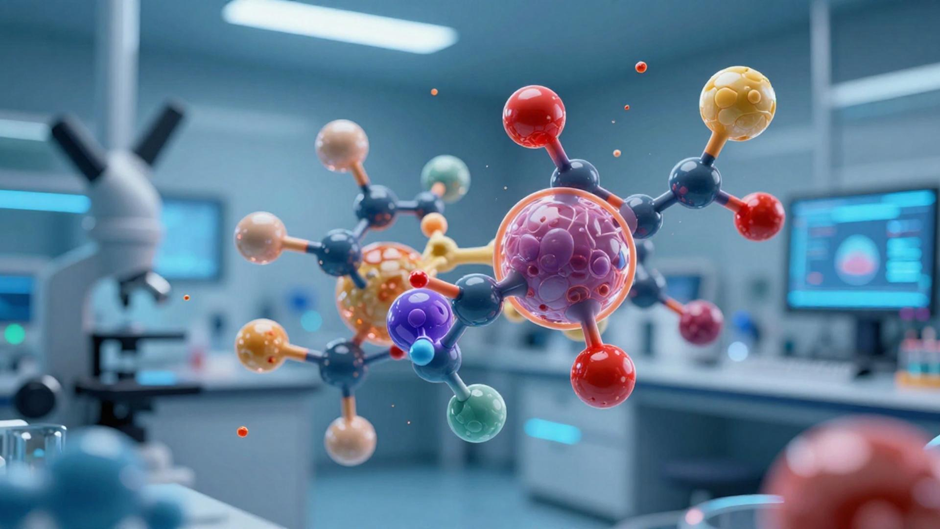
While traditional pharmaceutical development processes take years, artificial intelligence can identify potential antibiotic candidates by analyzing millions of molecules in a very short time. Thanks to this technology, scientists accelerate the process by simply testing molecules from the most promising run.

From the Massachusetts Institute of Technology (MIT) scientists and collaborators in other places, can destroy artificial intelligence-resistant gonore (bel coldness) and MRSA bacteria two new potential antibiotics he explained. NG1 and DN1.Details of work, "Efficient deep learning approach for new antibiotic design A newHome
published in the article.

A Strong Candidate Against Resistant Bacteria
NG1 ve DN1: Yapay Zeka ile Geliştirilen Yeni Antibiyotikler

Discovered with AI algorithms antibiotics gave promising results to particularly resistant bacteria. Laboratory tests:

  • It was effective against super bacteria like MRSA.
  • It has been successful on bacteria resistant to traditional antibiotics.
  • It exhibits low toxicity to human cells.

The researchers produced new antibiotic candidates with artificial intelligence by passing beyond scanning existing libraries. Two approaches were tried, these are as follows:
NG1 ve DN1: Yapay Zeka ile Geliştirilen Yeni Antibiyotikler

Part-Oriented Approach:

  1. A library of 45 million chemical parts was created to develop molecules that can be used against N. gonorrhoeae (bel cold factor).
  2. The number of candidates after scan with machine learning has been downloaded about 1 million wrists.
  3. Results F1 The part called was out.
  4. Two algorithms (CReM and F-VAE) have created 7 million candidates from F1, 1,000 of them were selected.
  5. 80 compounds were selected for synthesis, only two were synthesized. From NG1effectively killed the resistance waist cold bacteria in both cells and mouse models.
  6. NG1role in bacteria external membrane synthesis LptA proteinWhen taking the goal DN1 MRSA kills bacteria by targeting cell membrane.

Free Design Approach:

  1. Ilaca resistant Aureus 29 million compounds were produced without any part restriction.
  2. The number with filtering was downloaded to 90, 22 of which were synthesized and tested.
  3. 6 compounds showed strong antibacterial activity.
  4. Best candidate DN1successfully treated MRSA skin infection in mice.

Conclusion: Artificial Intelligence has developed new antibiotic candidates that can be effective against both waist coldness and MRSA and shown that these drugs affect different new goals.

What Do Experts Think About Artificial Intelligence Antibiotics?
NG1 ve DN1: Yapay Zeka ile Geliştirilen Yeni Antibiyotikler

Dr. James Collins, a senior author of the study and professor of medical engineering and science in MIT and a professor of biological engineering, "New possibilities that this project opened in the field of antibiotic development are excited us," and from addition, "Our work shows the strength of artificial intelligence in terms of pharmaceutical design and allows us to benefit from much wider chemical areas that may not be accessed before. "said.

Dr. Andrew Edwards from Fleming Initiative and Imperial College London stated that he had a new approach to discovery of new antibiotics, saying “very important” and “he has a potential.”

But Edwards, ' 'Artificial intelligence antibiotic discovery Although it has the potential to advance and improve greatly, the part that is still difficult when it comes to security and event tests have to be undertaken.

Antibiotics developed with artificial intelligence, a promising step against resistant bacteria. But the contribution of artificial intelligence in the health area is not limited only with new drug discoveries. In many areas such as diagnosis, treatment planning, imaging and patient monitoring, artificial intelligence tools were started to be used. If you want to know more about this area, What are the artificial intelligence tools used in health? You can also contact our website.

While antibiotics are one of the basic stones of modern medicine, the wrong use gives fatal results. The World Health Organization defines it as one of the biggest threats for 'Global Health. Artificial intelligence-supported studies against this danger hope; new antibiotics called NG1 and DN1 offer a strong solution to resistant bacteria. New Antibiotic Discovery with Artificial Intelligence While traditional pharmaceutical development processes take years, artificial intelligence can identify potential antibiotic candidates by analyzing millions of molecules in a very short time. Thanks to this technology, scientists accelerate the process by simply testing molecules from the most promising run. From the Massachusetts Institute of Technology (MIT) scientists and collaborators in other places, can destroy artificial intelligence-resistant gonore (bel coldness) and MRSA bacteria two new potential antibiotics he explained. NG1 and DN1. Details of work, " Efficient deep learning approach for new antibiotic design A new Home published in the article. A Strong Candidate Against Resistant Bacteria Discovered with AI algorithms antibiotics gave promising results to particularly resistant bacteria. Laboratory tests: It was effective against super bacteria like MRSA. It has been successful on bacteria resistant to traditional antibiotics. It exhibits low toxicity to human cells. The researchers produced new antibiotic candidates with artificial intelligence by passing beyond scanning existing libraries. Two approaches were tried, these are as follows: Part-Oriented Approach: A library of 45 million chemical parts was created to develop molecules that can be used against N. gonorrhoeae (bel cold factor). The number of candidates after scan with machine learning has been downloaded about 1 million wrists. Results F1 The part called was out. Two algorithms (CReM and F-VAE) have created 7 million candidates from F1, 1,000 of them were selected. 80 compounds were selected for synthesis, only two were synthesized. From NG1 effectively killed the resistance waist cold bacteria in both cells and mouse models. NG1 role in bacteria external membrane synthesis LptA protein When taking the goal DN1 MRSA kills bacteria by targeting cell membrane. Free Design Approach: Ilaca resistant Aureus 29 million compounds were produced without any part restriction. The number with filtering was downloaded to 90, 22 of which were synthesized and tested. 6 compounds showed strong antibacterial activity. Best candidate DN1 successfully treated MRSA skin infection in mice. Conclusion: Artificial Intelligence has developed new antibiotic candidates that can be effective against both waist coldness and MRSA and shown that these drugs affect different new goals. What Do Experts Think About Artificial Intelligence Antibiotics? Dr. James Collins, a senior author of the study and professor of medical engineering and science in MIT and a professor of biological engineering, "New possibilities that this project opened in the field of antibiotic development are excited us," and from addition, "Our work shows the strength of artificial intelligence in terms of pharmaceutical design and allows us to benefit from much wider chemical areas that may not be accessed before. " said. Dr. Andrew Edwards from Fleming Initiative and Imperial College London stated that he had a new approach to discovery of new antibiotics, saying “very important” and “he has a potential.” But Edwards, ' ' Artificial intelligence antibiotic discovery Although it has the potential to advance and improve greatly, the part that is still difficult when it comes to security and event tests have to be undertaken. Antibiotics developed with artificial intelligence, a promising step against resistant bacteria. But the contribution of artificial intelligence in the health area is not limited only with new drug discoveries. In many areas such as diagnosis, treatment planning, imaging and patient monitoring, artificial intelligence tools were started to be used. If you want to know more about this area, What are the artificial intelligence tools used in health? You can also contact our website.

Etiketler:NG1 ve DN1Yapay Zeka ile Geliştirilen Yeni Antibiyotikler
Masqot Community
Masqot CommunityCreator
@masqot

Comments (0)

Log in to comment.

Log in
No comments yet. Be the first to comment!