



Posthuman Art and Artificial Intelligence: New Creation Ontology
Automatically translated
 Admin
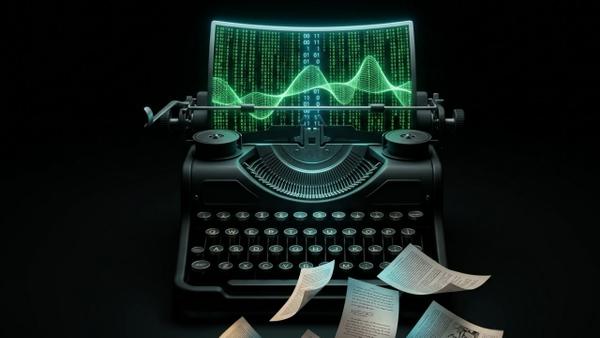
When it came to 2026, the world of art was considered the fact that technology is not a "soft" but a "protez plugin" that expands the cognitive limits of man. This new interaction between Posthuman Art and Artificial Intelligence shows how creativity can turn into a huge vision through the machines of human intention. The art is no longer just a technical application; a deep layer that the intention meets and the perception turned into an informed creation action.

Posthümanist perspective offers people to expand this limits through technology instead of thumb from biological limits. In this plane, artificial intelligence is a analytical instrument that increases the perceptional range of the artist rather than being a threat, helps to bring data to emotions and forma. The world is no longer a destination; it is a departure center where human mind has discovered endlessness by combining with technology.
How to Redefined Artificial Intelligence Art in Posthuman Period?
Artificial intelligence does not create art; that, is a high-resolution mirror of human intention. Be afraid of the machine, in fact, the nature of the ability is caused by misunderstanding. The visual that an algorithm produces is not a piece of art per itself; it is a reference environment that the artist uses in the creation process, tests his intention. The actual start of art lies in the desire to understand and understand the world of the artist before technical execution.
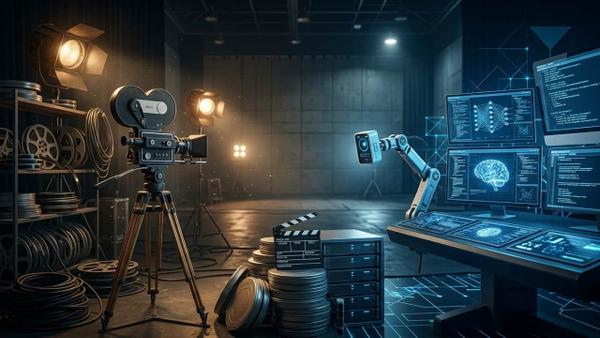
In this context, artificial intelligence is like a prosthesis added to the cognitive apparatus of the artist. By increasing the capacity of data processing and visualization, the artist offers its concepts, light and spatial relationships in seconds. However, the machine loses its symmagnetic meaning when it deprived of human beings and emotions; it only turns into a directional and silent calculation mechanism. It is always the will of the artist who builds and builds hierarchy.
Algorithmic Creativity: Can the machine be positioned as an Artist?
The ability stands as the only biological inheritance that can not be counterfeited in the world of autonomous systems of 2026. To be a graduate from a art academy or master all the technical details of a vehicle, do not perform the person; only he does the operator of the vehicle. Talent; intuitive recognition of rhythm, proportion and color structure, is the ability to guide them with an internal necessity. Technical learnable, but the necessity of precision and creation can not be taught.
Machines can perfectly simulate the past accumulations and aesthetic molds of man. However, the "heavy creativity", which is the main breaking point of art, is hidden from the outside of the data and the person who blows a new soul to that data. The machine does not know what it does when processing the data; the artist is the only essence of what he sees. That’s why artificial intelligence is not a creative, a vision partner that helps the artist crystallize their patriots.

Feature | Traditional Digital Art | Posthuman Art and Artificial Intelligence (2026) |
Creative Self | Only Human | Human-Algoritis Hybridization |
Production Model | Manual Vehicle Usage | Otonom Agent Orkestration u |
Aesthetic Criteria | Technical Skills and Master | Semantic Depth and Data Sentezi |
Property Structure | Classic Copyright Oriented | C2PA and Distributed License |
2026 Digital Property and Copyright Standards in Art Market
Modern art world digital property is now not only over the last product, it is shaped through "strategic intention", which has the product. The analysis of human-made works during the training of artificial intelligence is a technological reflection of the "referance" action, a natural part of artistic evolution. An algorithm can learn the line of a master, but it can not copy the moral and emotional depth behind the line.
Content authentication standards such as C2PA in force in 2026, transparently seals the "human share" in the creation process. The copyright is not to protect the artist from the machine; the first source of the data analyzed by the machine is evokeed for the registration of that original image is the artist. Artificial intelligence in this new law system is considered a modern surface that reflects the vision of the artist, a "digital reflective".

Aesthetic: New Models in User Experience and Art Interaction
From a static result of the art of Aesthetics in 2026 made it married for a dynamic time. Art works are not only viewed objects; the sense of the audience, meka
is autonomous agents that can turn in real time according to min or data. This interaction allows the artist to get rid of a technical raw material and reposition as a "anlam architect" and "cürator".For example, the classic works of Coca-Cola revived with AI "Masterpiece"Work or Baskin Robbins’ Home The quireal images created with prove that technology does not destroy the narration, as opposed to how he deepened it. As seen in these case analyses; the story, emotions and concept always arise from the heart of the man; artificial intelligence gives this story to the world with no visuality possible before.
Future Art Literacy: Rebuild Digital Authority
In the posthümanist era we are located in, not only "ne" tells about the valuable count of a art content, the semantic depth behind that information is important. Having authority on the digital platforms of the future, technical terms are not stringing side by side, but they are measured with how intimate analysis of this new and hybrid relationship that people are building with technology.
This strategic approach prevents art from turning into a "data stack". When the artist embraces him rather than fear of this new instrument, he discovers the limit of its cognitive capacity. Because technology can not get anything from the hands of the actual ability; it only reduces the mask of the doors to the illusion of its ability.

Ontological Difference and Limit of Real Art
When evaluating this fascinating partnership between Posthuman Art and Artificial Intelligence, it is necessary to draw a very basic separation with thick lines: the works produced with artificial intelligence, no matter how aesthetic or complex, it will never be held with traditional art. Traditional art is born from a biological obligation, directly from the physical and spiritual world of the artist. He is a "original action". Artificial intelligence art is a "simulation" and "synthesis" process; the existing data is re-breaking with the intention of the artist.
Technology can carry the range of the artist as a instrument to a cosmic measure, but it does not interfere with the "investor miracle". The traditional art will continue to protect the human touch, even in the posthümanist age. The future will be the visioners who are not flickering in the face of technology, but do not forget about this deep ontological difference in the meantime.
AdminHipersonik Uçak Devrimi: Hermeus 1 Milyar Doları Yakaladı
Instagram Yapay Zeka 2026: Yeni Nesil Özellikler ve Strateji