Relevance Engineering: Alaka and Information Need in 2026
Automatically translated
 Admin
Search engine optimization u The world, as of 2026, the word was left behind the matches, the user’s mind was able to solve in the "nity" milliseconds. Located in the heart of this new era, Relevance Engineering (Internal Engineering) aims not only responds to a query, but all the side needs around that query are covered. It is no longer enough to contain only the right words to count a content "alakalı"; it is necessary to model the user as technically why he is looking for information.
This discipline that revolutionizes in digital communication strategies is believed to be a "search box" of the user, a deep "Information Need" (Information Need) The owner is positioned as an individual. The Relevance Engineering process is a meaningful engineering wonder that allows content to be selected by artificial intelligence agents and productive motors as "en competent resource". In this guide, we examine how a content will become a "otorite" in the digital ecosystem, not only read.

What is Relevance Engineering?
Relevance Engineering is the process of maximizing a web page or digital content with the user’s query. This process in 2026 is a far beyond classic SEO techniques "human modeling" the operation is carried out. When a user writes a term to the search engine, in fact it is not only a word, he calls the set of solutions around the word.
The main purpose of the relevant engineering is to fill the cavity in the most efficient way defined as the user's "Information Need". This discipline does not only offer the data; it also structurally constructs why data is valuable for the user. When scanning the content of artificial intelligence agents, "Do this content really offer a solution to the desired problem?" The response to the question determines the fate of the content in the digital world.
Information Need (Information Need): More Than A Shoe Search
Let's embody the concept of information needs with an example: When a user asks "coach shoes" in the search engine, the alaka engineering knows that this query is not just a product listing intention. The actual need of the user; the number guide suitable for the foot structure is the durability of the material in asphalt or terrain conditions and even the breathable technology of the shoe.
A content applied to Relevance Engineering offers the user by predicting these side questions (mara guide, endurance tests, material quality) in advance. This holistic approach sends the signal "This page not only a sales page, a complete source of information." In 2026, Google and other artificial intelligence-based motors are prioritized in "featured snippet" or "AI Overview".

Semantic SEO and Passage-level Indexing: Power of Paragraphs
One of the most important technical foots of the relevant engineering is Semantic SEO approaches. The algorithms of 2026 focus on how deep the specific paragraphs (Passage-level Indexing) in that page, rather than the general title of a page. Instead of writing a single gigantic article now, it is critical to be a "sorun solvent" of each subhead inside the article itself.
Thanks to Passage-level Indexing, a small paragraph within a long guide can be withdrawn directly to a specific user question. This makes it mandatory for the application of alaka engineering principles in each subhead, avoiding texts that are "not telling everything but not deepen anything." The right meaningal association allows content to be a "cevap machine" by search engines.
Search Intent Engineering: Modeling User's License
Search Intent Engineering in the world of 2026 digital marketing (Search Engineering), models of the user’s journey at three main stages: Information acquisition (informational), Comparison (Commercial) and Action (Transactional). The relevant engineer is the person who can blend the user’s head without mixing under the same content roof of three intentions.
The engineering process of civilization is built by:
Contextual Analysis: To produce technical responses to the question "Why?" behind the bed.
Meaning Cluster: To integrate all the terms of side (not LSI, real meaning bonds) that support the main topic.
Dynamic Update: Periodically revised the level of content with feedback from artificial intelligence agents.
Parameter | Traditional SEO | Relevence Engineer g |
|---|---|---|
Focus Point | Keyword Volume | Information Need (Information Need) |
Content Structure | Long and Linear | Modular and Nity-oriented |
Indexing | Page Based | Passage-level (Paragraph Based) |
Target Output | See First Page | Being “Source” in AI Answers |
User Experience Home
Transport Information
Sentiment Information and Provide Solution
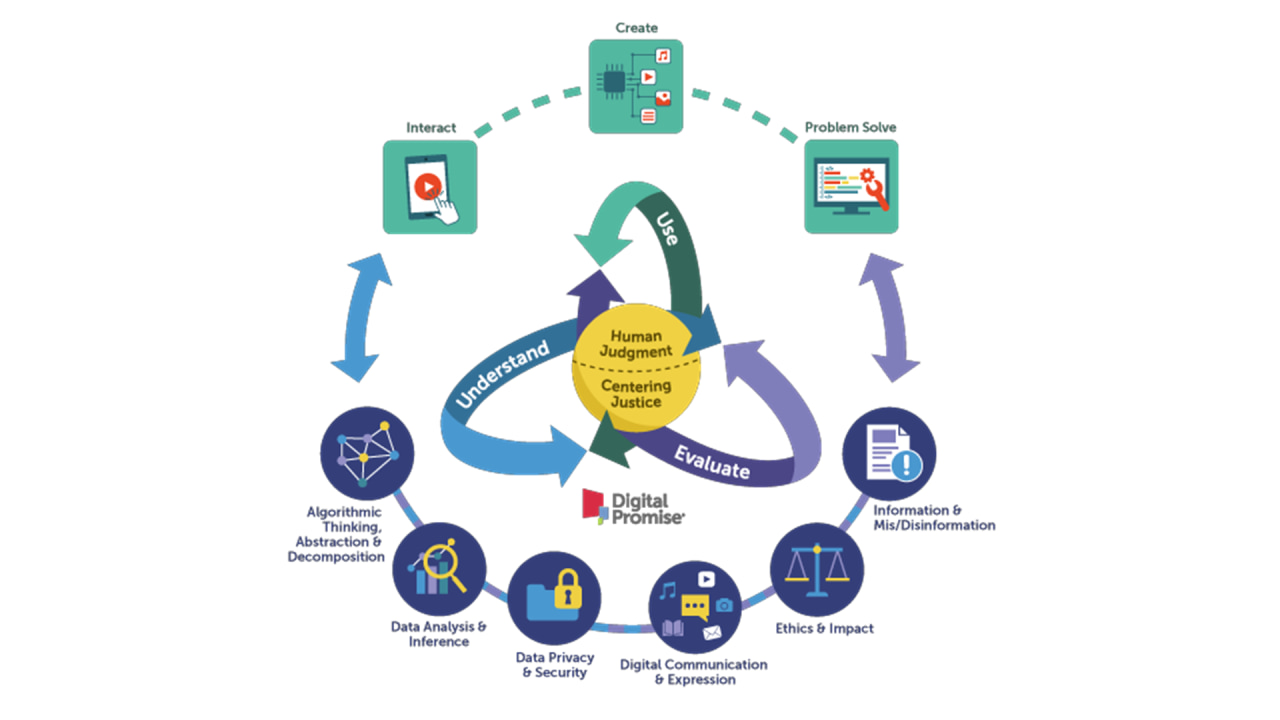
2026 Trend: "Yapay Intelligence Literacy" in Alaka Engineering
The content strategies of the future are going to understand how AI reads data. Professionals applying Relevance Engineering are also optimized for LLMs (Great Language Models) comparing their text with thousands of data in seconds, not only for human eye. This is possible with technical authority signals (E-E-A-T) and configured data markings that are hidden into the text.
It is a deep engineering and empathy process, not only a technical SEO study in the 2026 world. Brands that analyze the user’s knowledge needs to the smallest detail and offer this analysis with a structured data discipline are rising to the quiet but strongest authority of the digital ecosystem. Relevance Engineering allows you to not only hear your voice in the digitalized world, but to be registered as "direct answer".
AdminClaude Opus 4.6 Özellikleri: Yeni Nesil LLM


En İyi Ansiklopedi Sitesi Hangisi? Grokipedia vs Wikipedia