Toulmin Model and Trust in Artificial Intelligence Diagnostic
Automatically translated
 Admin
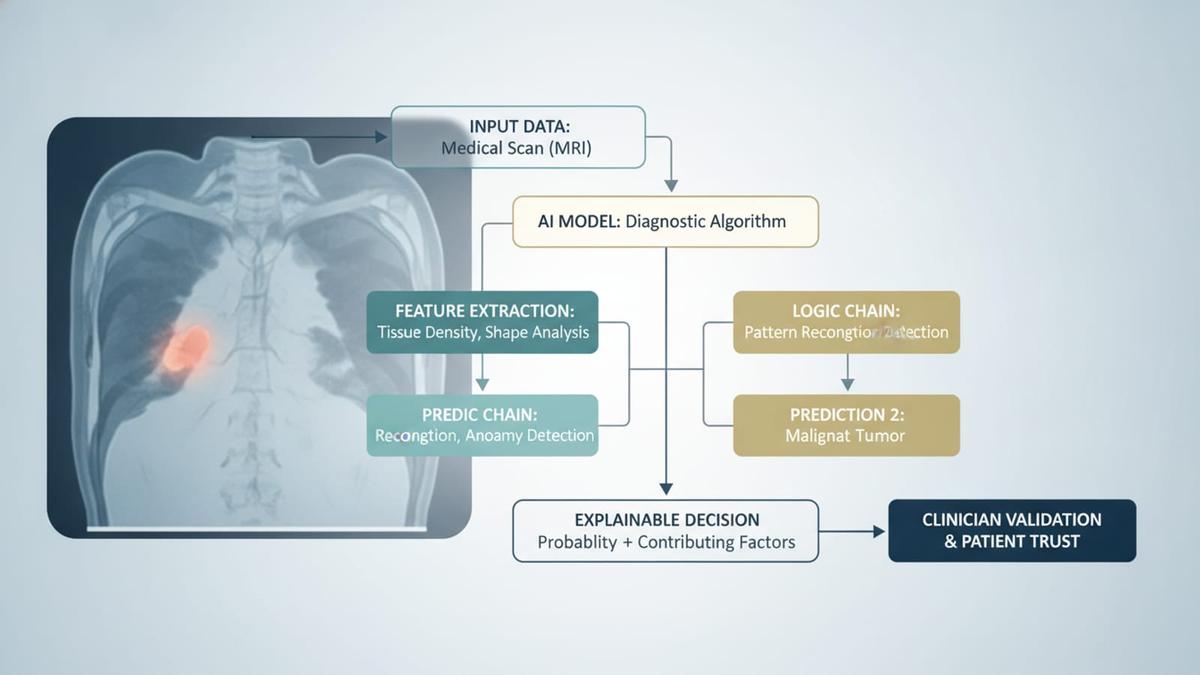
AdminThe claims of machine learning (ML) models in the field of medical diagnostics have been creating trust problems with the feature of 'black box' for a long time. A new researchTo solve this transparency problem, Toulmin Argmentation Model is activated. This approach that makes image-based diagnostics more understandable by separating components such as asserting, basis, grounding, can speed up the adoption of artificial intelligence in the health industry and offer informed decision support to clinicians.
What is Toulmin Model and How to Meet With Artificial Intelligence?
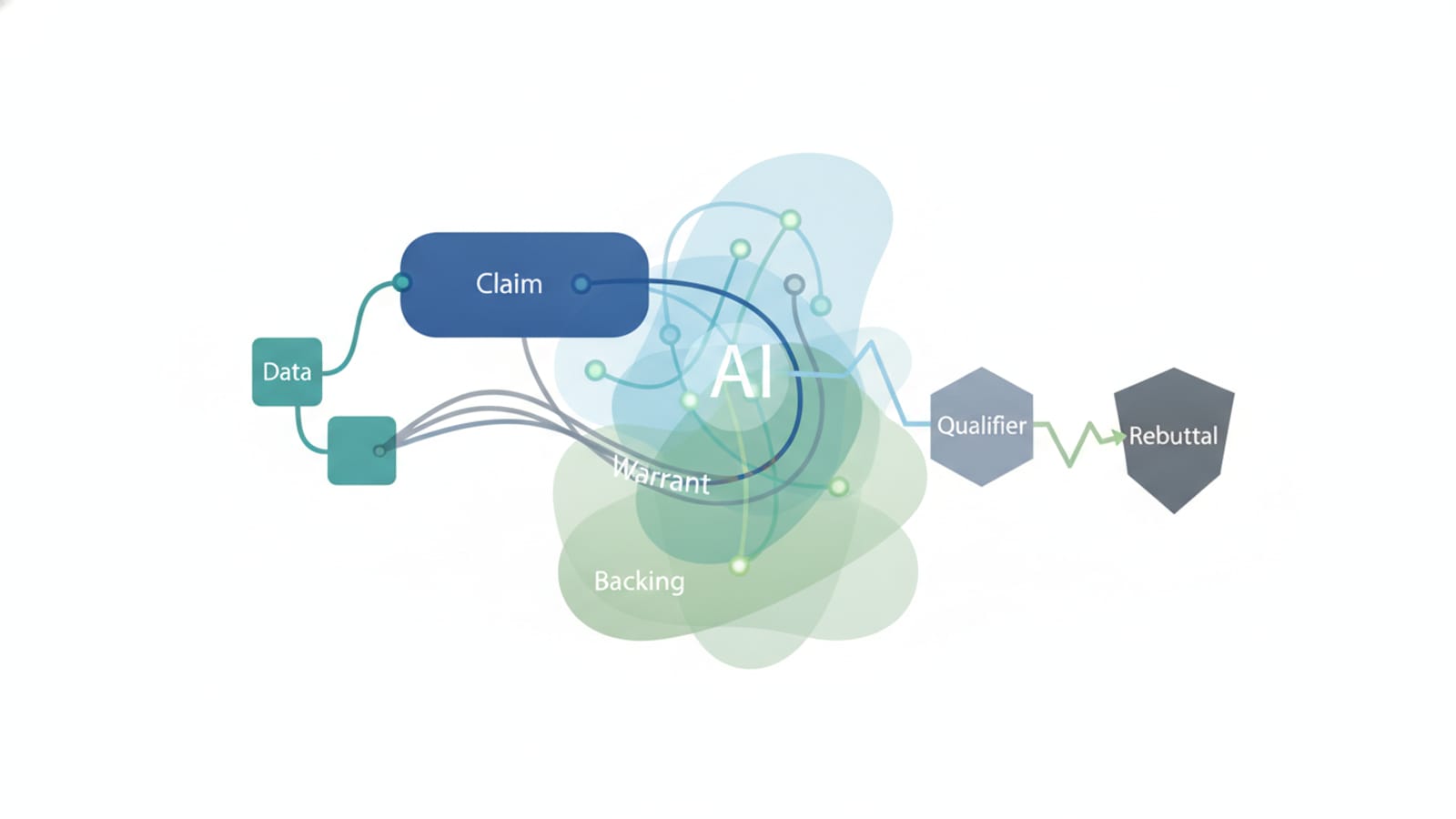
The Argmentation Model developed by Professor Stephen Toulmin consists of six main components including claim (claim), basis (grounds), ground (warrant), niteizer (qualifier), decay (rebuttal) and support (backing). This model is designed to analyze and assess the logical structure of any argument. In the medical diagnostic specialty, the 'iddia' that a ML model did for an image-based diagnosis, such as the retina scan, clearly reveals the 'oldanaleri' (e.g. specific findings on the image), 'gerestansini' (medical information or previously learned nucleus) and the possible 'transmissions' (istisnai situations).
When combined with artificial intelligence models, The Toulmin Model specifically allows Large Language Models (Large Language Models - LLMs) to mirror clinical challenges. Three-stage training processes such as Curriculum Goal-Conditioned ( LearningCGCL) make it understood the steps of decision-making of artificial intelligence by bringing facts to LLM, testing hypotheses and synthesize qualified results in accordance with the Toulmin structure.
Why Critical Artificial Intelligence (XAI) Can Be Opened in Health Industry?

Artificial intelligence and machine learning systems, disease classification, cancer diagnosis and other medical areas have reached the accuracy rates from the future. However, in the health sector, only accuracy and accuracy are not enough. Since each decision has direct impact on human life, the understanding of the logic behind the decisions of artificial intelligence models is critical. The traditional ‘black box’ non-transparent decision processes of artificial intelligence models reduce the trust of clinicians to these systems, and thus blocking adoption in the real world.
Openable Artificial Intelligence (Explainable AI - XAI) solves the problem of trust by explaining the model has reached a certain conclusion. XAI allows healthcare professionals to verify the decision-making process of the model, understand potential errors and make more informed clinical decisions. This transparency is also important in terms of legal and ethical responsibilities, as in the case of an error, it can clear who belongs to the responsibility.
Leading XAI Studies from Turkish Science Humans
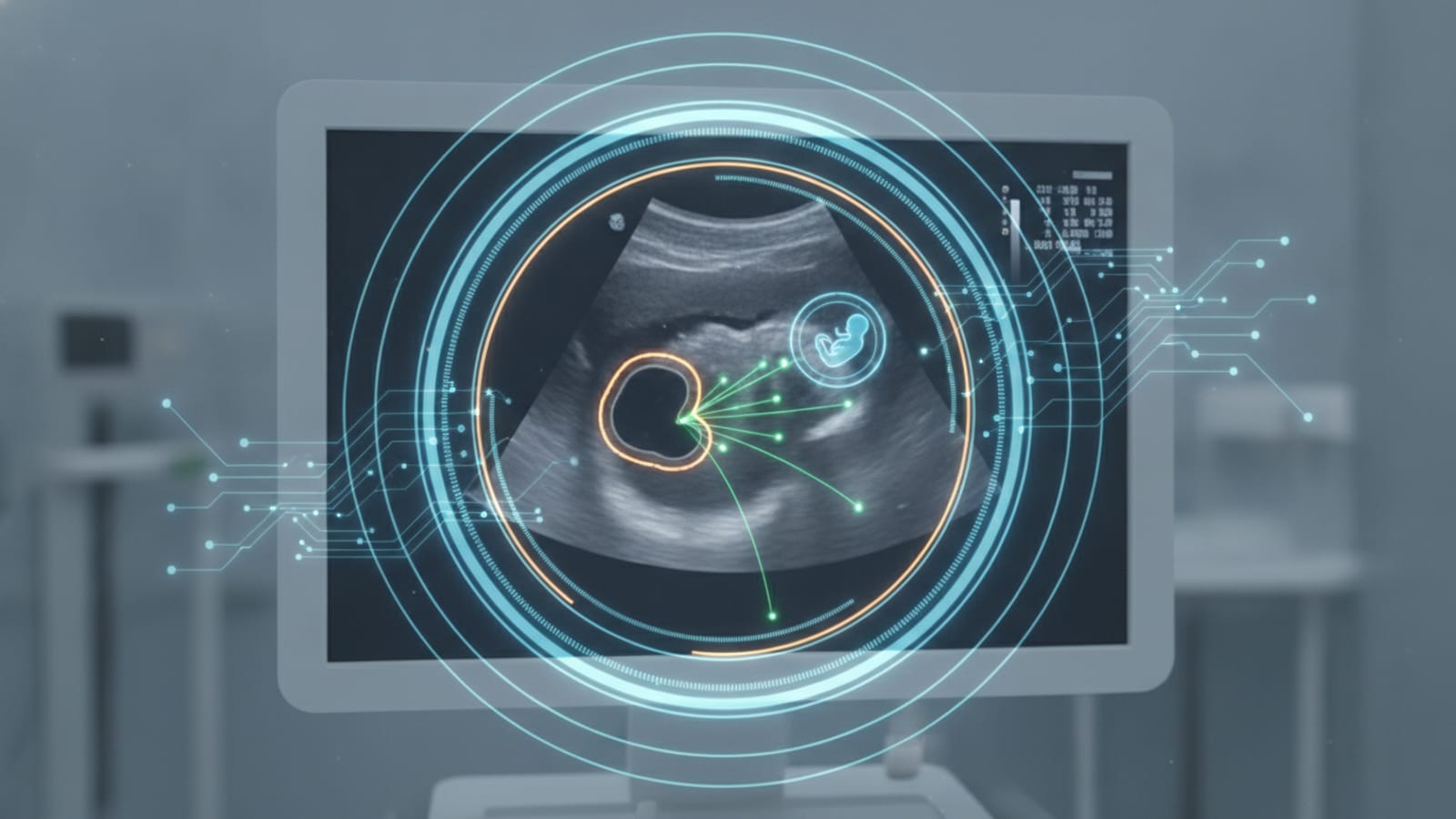
The scientists from Turkey sign important work in this field. Medicana International İzmir Hospital Women's Diseases and Birth Specialist Op. A team led by Dr. Gültekin Koç has developed an open AI model that works with accuracy of up to 99% in the early diagnosis of external pregnancy. This model is different from traditional 'black box' models, while it puts the diagnosis, which gives the parameter (such as the presence of theintrauterine pouch, endometrial thickness, progesterone and beta-hCG levels) to the doctor with its grounds.
This study was published in the international prestigious IEEE Access magazine and entered into the world literature. The developed system aims to increase the chances of non-surgical treatment, especially in the early stages of external pregnancy. Such local and concrete examples are a strong indicator that XAI technologies can only work academically and provide concrete benefits in clinical applications in the real world.
Ways to Build Trust in ML Diagnostic

To build trust in machine learning diagnoses is not limited only with high accuracy rates, but also requires understanding how this accuracy rates are reached. Frames such as Toulmin Argmentation Model increase transparency by separating each forecast of the model into human-interpretable components. Thus, klinisyenler can assess the basis and grounds of the model, rather than accepting the output of artificial intelligence blindly.
Some artificial intelligence models use techniques such as SHAP (SHapley Additive exPlanations) and LIME (Local Interpretable Model-agnostic Explanations). These methods offer an in-depth perspective on the diagnostic process, showing which features are most effective when making a certain estimate of the model. This IntegrationsIt increases the auditability of both the model and allows doctors to make more confident decisions in complex cases.
Challenges and Future Vision
While the potential of artificial intelligence in health diagnostics and decision support systems is big, there are still some difficulties in front of this integration. One of the most important challenges is to establish the correct balance between accuracy and interpretation, as most often there is a compromise between these two factors. In addition, lack of real world verifications and absence of standardized interpretation metrics, XAI restricts large-scale adoption of models.
The variableity (instability) in individual forecasts caused by random elements such as optimization and startup affecting the performance of the model is another problem that can wind clinical trust. In the future, personalized calculation frameworks that evaluate whether artificial intelligence models can provide reliable decision support even with missing clinical information, for example, Feature Sufficiency Analysis (FSA), will be further developed. Artificial intelligence practices in health are expected to be much faster in hospitals, including physician-supported surgical routing systems up to 2030.
What is the Community
Supporters
Toulmin Argümanation Model of artificial intelligence models is considered to create a huge increase of trust among clinicians. Understanding the logic behind the decisions of the model will facilitate patient acceptance and help to determine more clearly of legal responsibilities. In particularly complex cases, the grounds that artificial intelligence offers will make doctors more conscious and robust decisions.
News
Some experts believe that building an ideal balance between interpretation and model accuracy is a demanding task. The lack of real world verification and lack of standardized metrics for XAI models is also an important concern source. Furthermore, the changes in predictions caused by random optimizations in the model are expressed in the direction that clinical trust may negatively affect.
Frequently Asked Questions
Toulmin Argmentation Model is only used in medicine?
Toulmin Argmentation Model is an improved philosophical framework to examine the overall structure of argument. It is used to analyze and evaluate arguments in many areas such as law, philosophy, literature and science. In the field of artificial intelligence, it has been adapted to make particularly clearability and decision-making processes transparent.
Why are openable Artificial Intelligence (XAI) models called 'black box'?
Traditional AI and machine learning models, especially deep learning networks are often called 'black box' because decision-making processes can not be understood directly by people. The model makes complex, non-linear calculations that show how it reaches out from input, but every step of these calculations can not be translated into human language or easily interpreted. XAI techniques aim to remove this lack of transparency.
Toulmin Model increases the accuracy of artificial intelligence diagnoses?
The primary purpose of Toulmin Model is not directly increasing the accuracy of diagnoses; rather, existing machine learning diagnoses Home review-bibility Home and reliability Home increase. By clearly revealing why the model makes an estimate, these forecasts of clinicians allow them to assess more critically and notice potential errors. Indirectly, it can lead to more accurate results by reducing the risk of incorrect diagnosis.
Which XAI techniques are popular in medical diagnosis?
Some of the most widely used XAI techniques in medical diagnostic applications suggest SHAP (SHapley Additive exPlanations) and LIME (Local Interpretable Model-agnostic Explanations). These methods make the decision process more understandable by showing what features (e.g. certain regions or laboratory values in a medical image) in doing a specific estimate of a model.
The development of artificial intelligence in health is not only technological progress, but also the correct proportion of this technology to make it understood and trusted by the human. Frames such as Toulmin Argmentation Model are leading to a more effective and responsible role play in the clinical decision support processes of artificial intelligence by offering a structural solution to the transparency problem of 'black box' models. This approach has the potential to consolidate the belief of both increasing patient safety and new generation technologies of clinicians.
AdminFormat Duyarlılık Endeksi Nedir?


LLM Ajan İletişiminde Mesaj Formatı Neden Kritik?