What is Physical Artificial Intelligence? Rise of Humanoid Robots
Automatically translated
 Writer
Artificial intelligence remained as a digital intelligence that lives behind our screens for a long time. Now, this intelligence starts to see with cameras, feel with sensors and touch our physical world with mechanical muscles. This new limit extending from production bands to logistic centers is defined not only the algorithms, but how the machines share the same spatial reality with us.
What is Physical Artificial Intelligence (Embodied AI) exactly?
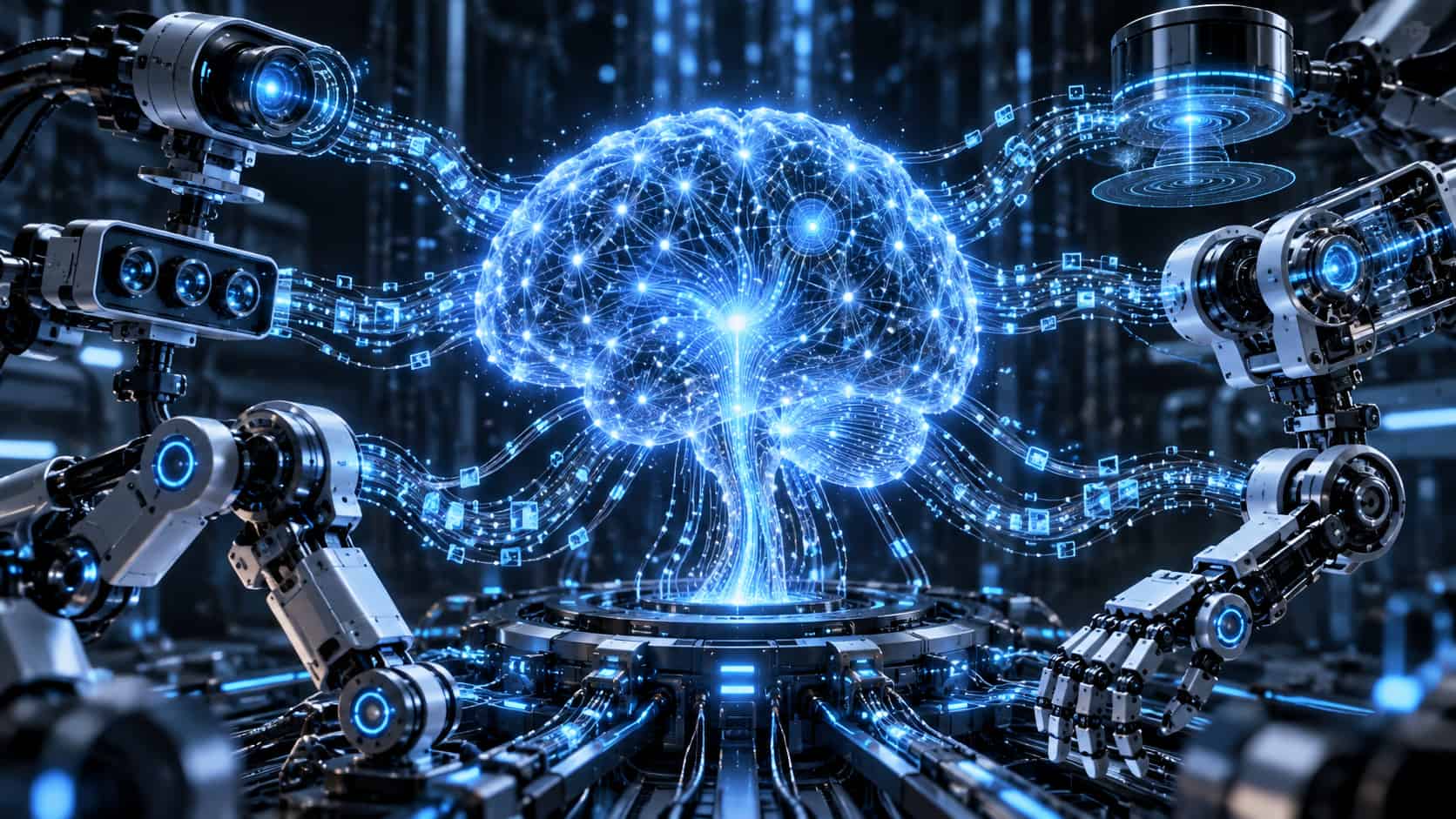
Physical artificial intelligence means that large language models and deep learning algorithms can be integrated into robotic bodies and autonomous decisions in the real world. It is completely different from classic factory levers that continuously supply the same source in a preprogrammed route. The "eyes" image processing models of the Embodied AI system consist of autonomous robotic joints, which implements these commands with millisecond delays. It doesn’t stop and error when an unexpected obstacle to the front; analyzes the situation, draws a new route and continues its task.
Why Does Language Models Need a Physical Body?
Human intelligence develops not only by memorizing the encyclopedic information; by experiencing the weight, texture, gravity and spatial relations of objects around it. You can tell a language model with billions of words what a apple is, but it is the physical size of intelligence, to ensure that the apple is kept and without being crushed. A physical body, instead of "built-in data" to artificial intelligence, "real-time three-dimensional fields". This spatial awareness is the only way algorithms get rid of memorizing structure and turn into real problem solvent agents.
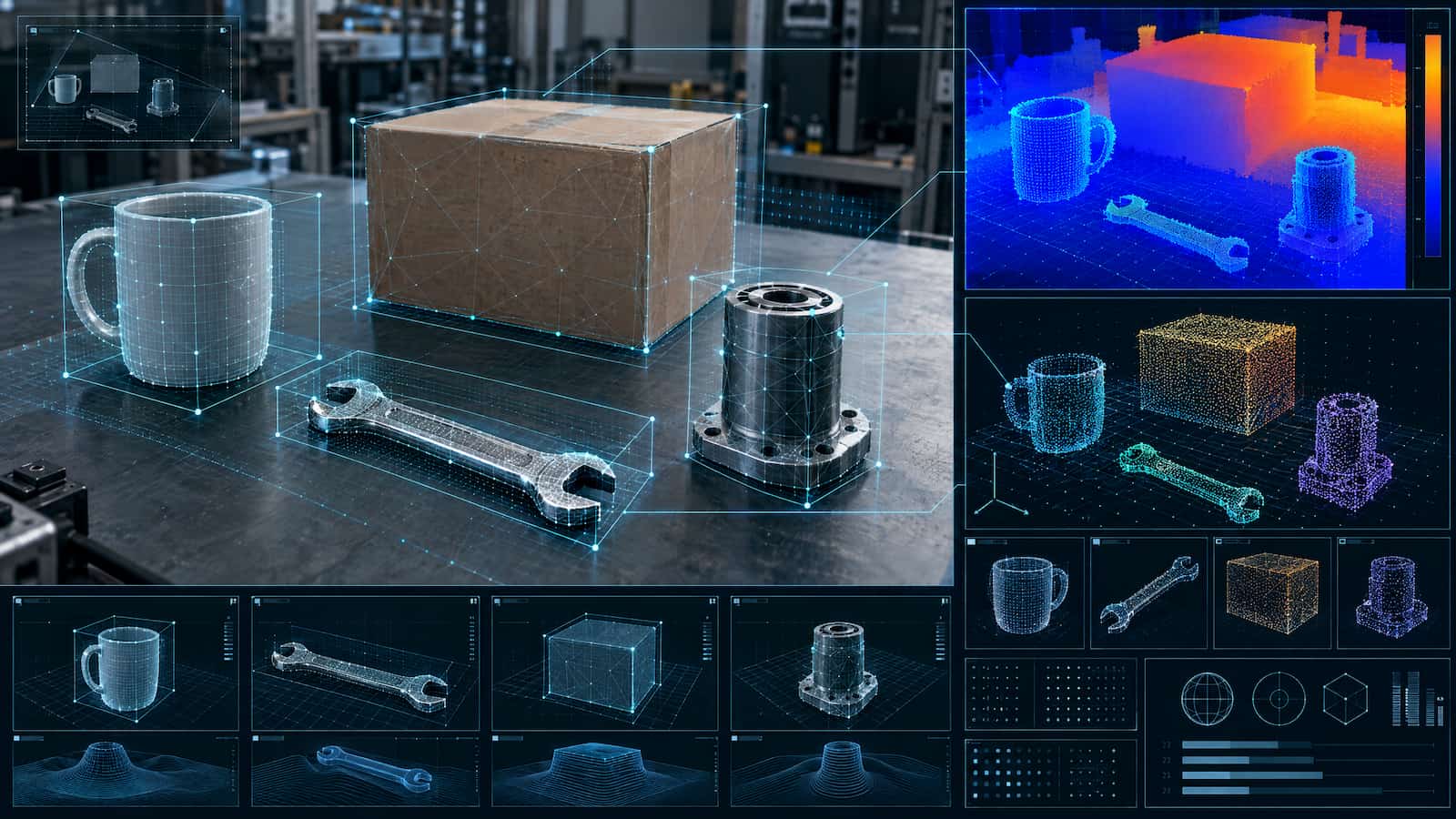
Figure 02 and Electric Atlas: New Bouncers in the Sector
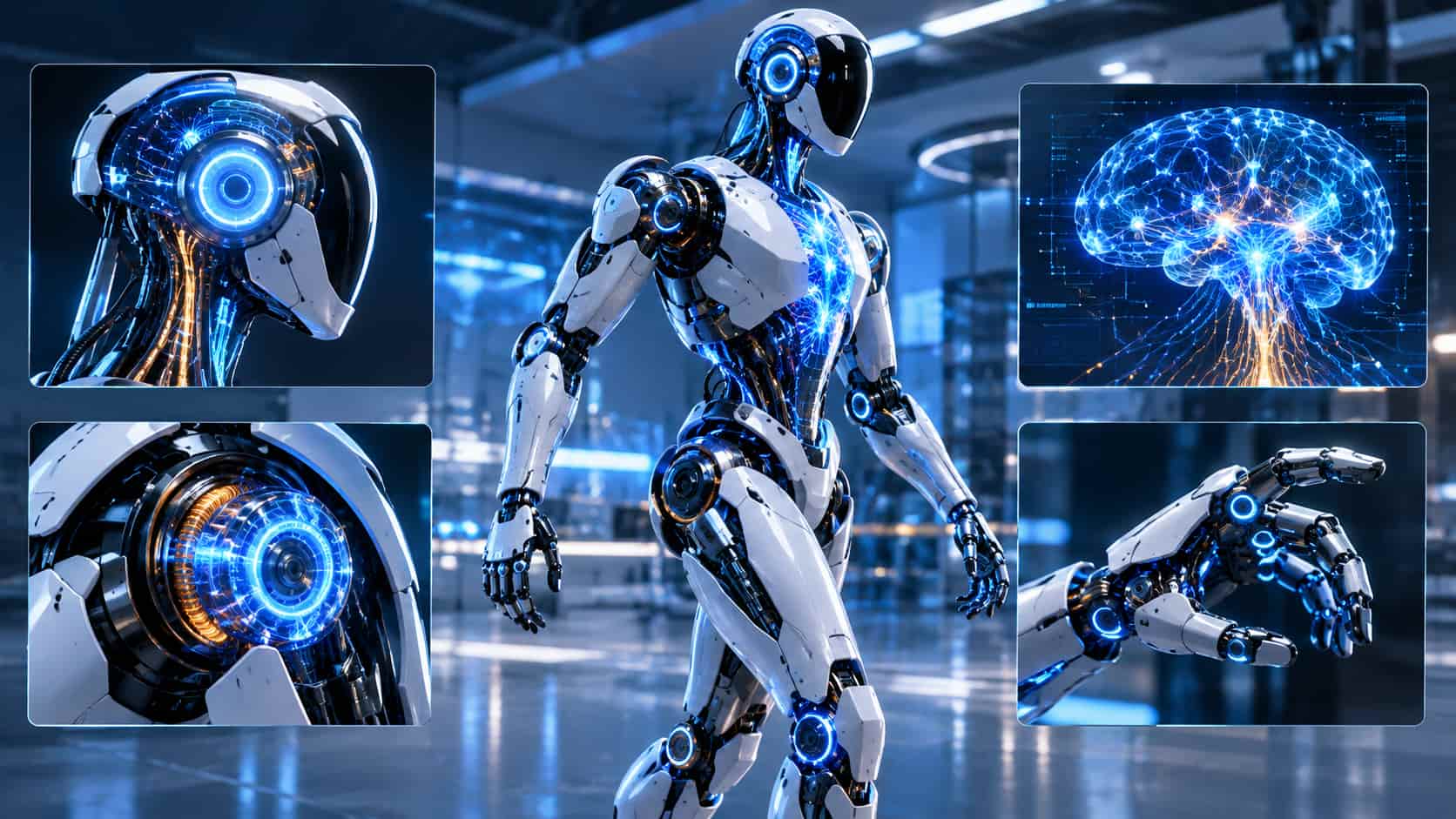
Boston Dynamics has released hydraulic systems developed for years and completely electrical and artificial intelligence-supported new Car Rentals When announced the model, a architectural threshold was exceeded in the robotic world. The company officially confirmed that this new generation has trained Atlas directly with the basic models of artificial intelligence and will start commercial tasks in Hyundai facilities as of 2026.
On the other hand, the hardware capabilities combine with the communication infrastructure of OpenAI Figure 02represents a different vision in the sector. Figure 02 is able to create real-time voice dialogue with people on the factory floor, when it makes a faulty process, it can adjust "self-correct" and complex objects autonomously.
Daily Life From Factory: What Does Humanoid Robots Change?
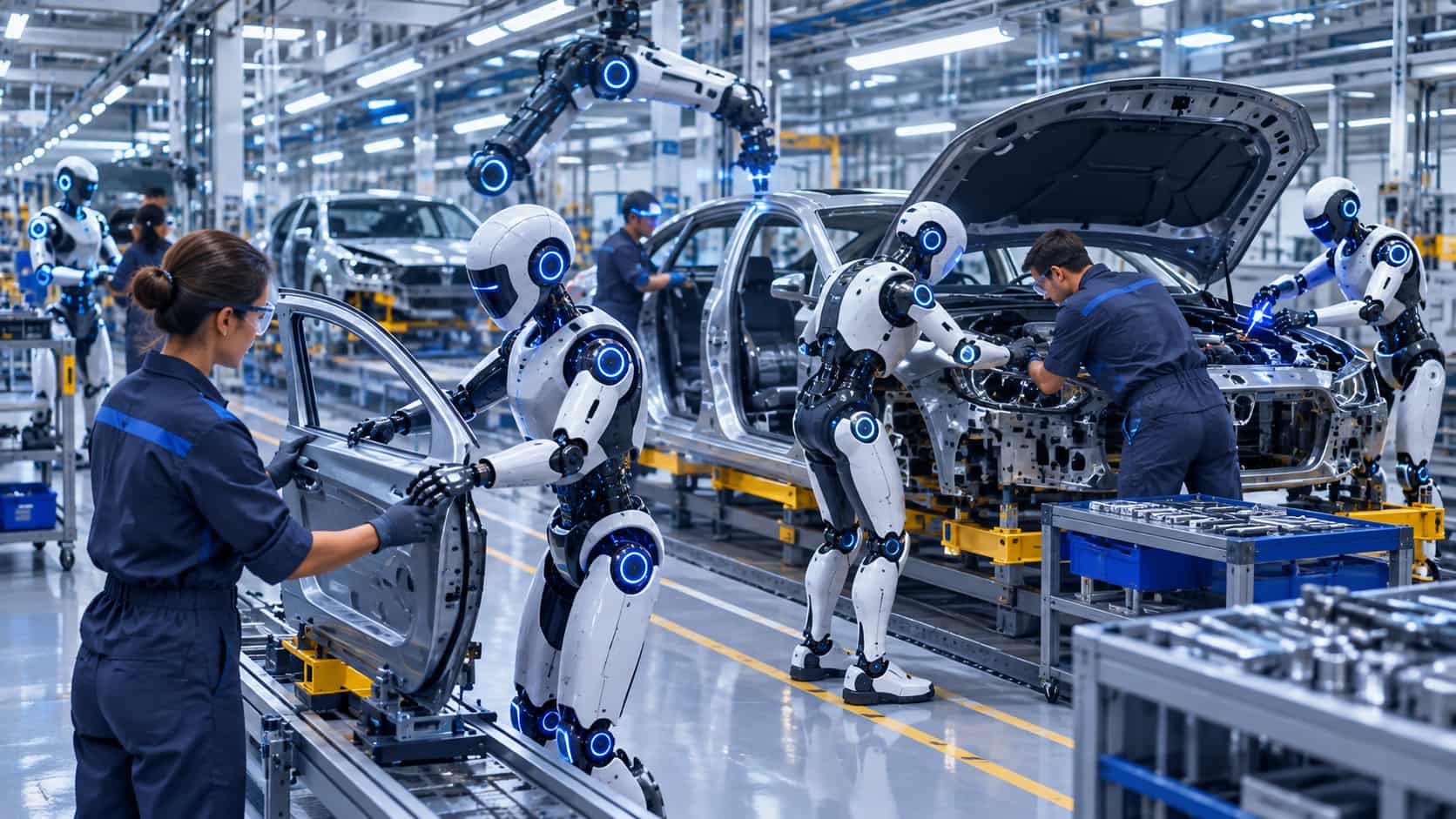
Automotive giants began to integrate autonomous human robots from now to production bands. Heavy duty tasks that are particularly dangerous, narrow area or ergonomically push human anatomy are transferred to these systems. The most striking part of the job, Humanoid Robots and 18 Million Dollar Talent War As we examine in our article, the biggest fight between technology giants is not mechanical designs, but it is experienced on artificial intelligence brains that will manage these mechanisms. This adaptation, starting in the field of logistics and production, is expected to expand towards health and old maintenance after the hardware thresholds are exceeded, such as reliability and battery life.
Safety, Data and Ethics: What Risks Physical Agents Move?
The error of the model that writes a wrong code on the screen can be corrected simply by deleted. But in the hands of a physical artificial intelligence that holds a heavy metal piece or works with chemicals "hallucination"It can lead to irreversible accidents directly. Therefore, physical agents have to work with solid security protocols installed between motor movements with digital decision mechanisms. In the data facade, hundreds of robots equipped with cameras and microphones require new legal infrastructures in a factory or warehouse, in terms of processing, corporate privacy and data security.

What does the community think?
Robotic engineers and artificial intelligence researchers have a dense understanding separation on "form factor". A party argues that the world is designed for people (merdivenler, door handles, tools), so a general purpose robot must necessarily be in the "human" form. Another cut is a big energy and processing power waste of trying to balance on two feet, instead of purpose (e.g. wheel, four-foot or fixed) claim that simple bodies will produce much more efficient results in the industry.
Frequently Asked Questions
Does physical artificial intelligence only cover robots?
No. Smart vehicles with autonomous driving systems, advanced drone networks and physical sensors in the world are evaluated under physical artificial intelligence umbrella.
Why is human robots more expensive than old factory robots?
Classic industrial robots are produced with simple sensors and cheap hardware for a specific purpose. As human robots host advanced GPU units, balance systems, dozens of high-resolution cameras and a large processing capacity, production costs are much higher at the moment.
Do robots like Figure 02 and Atlas are completely independent?
They are not entirely autonomous. They are supported with human (human-in-the-loop) systems in the loop that allows a human operator to interfere with the system remotely in critical security situations or unexpected end scenarios.

The most demanding problem in computer science is not to create intelligence, it is understood that intelligence is peaceful with gravity. As the difference between mechanical capacity and algorithmic logic close, artificial intelligence is prepared from laboratories to the same table, lifting the same load. When obstacles in hardware costs and battery technologies are exceeded, physical artificial intelligence will change not only our way of working, but also our way to interact with the digital world.
Writer