How AI World Models Are Changing Game Design
Automatically translated
 Writer
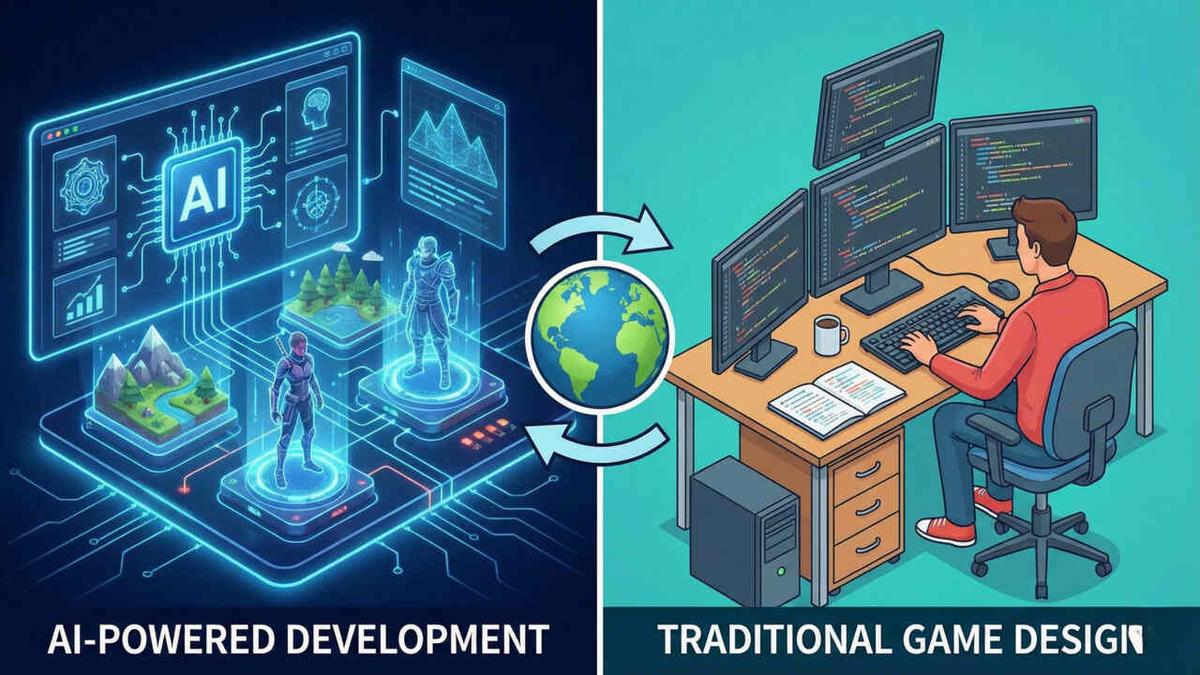
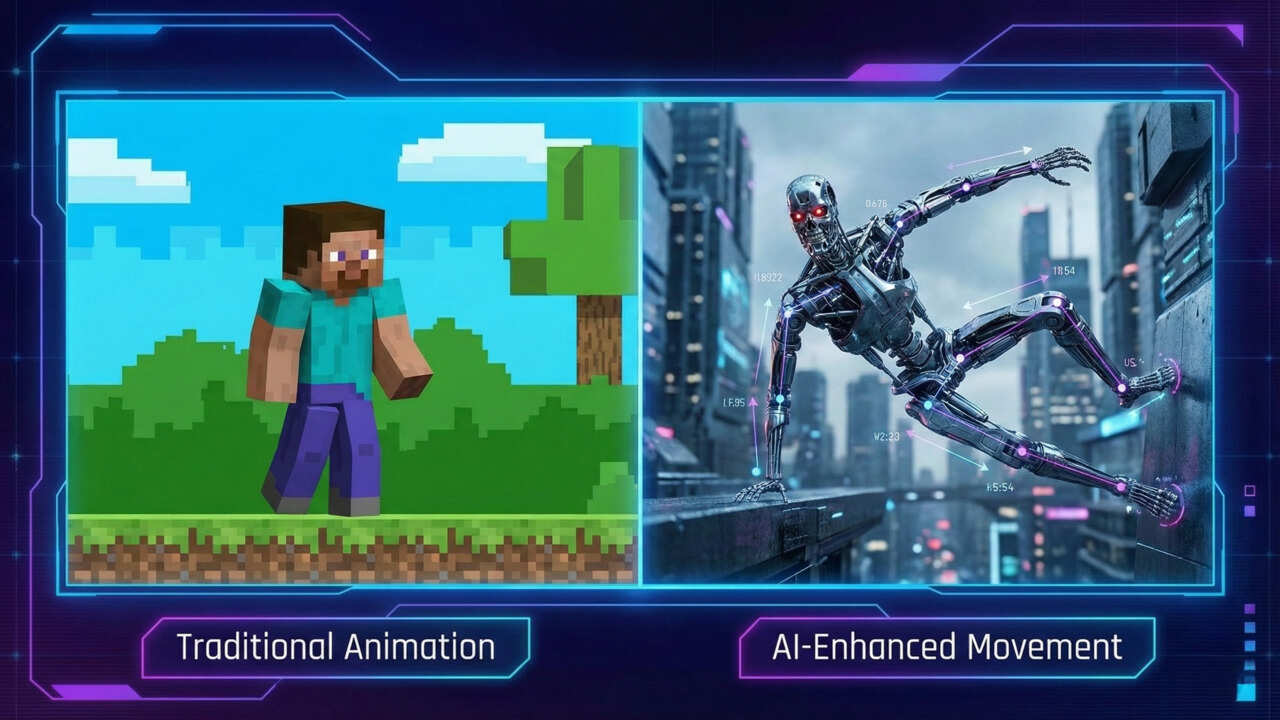
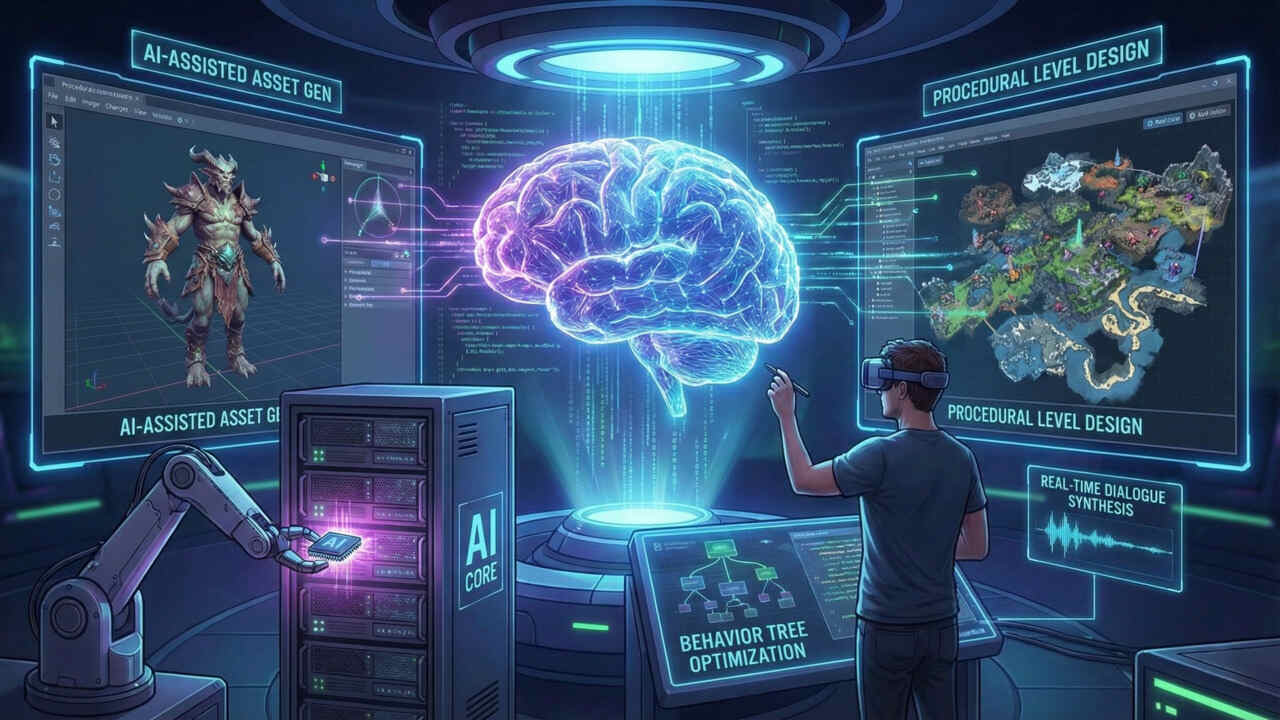
Artificial intelligence has long been used in areas such as character behavior and automation. However, AI world models are now driving a much more fundamental change in the game market. Characters in games are becoming adaptive systems that learn from every move the player makes and respond accordingly. Systems such as Google DeepMind Genie 3 and World Labs Marble AI contribute to AI-driven production not only on the visible side of games, but also in game development processes and while building their own worlds.
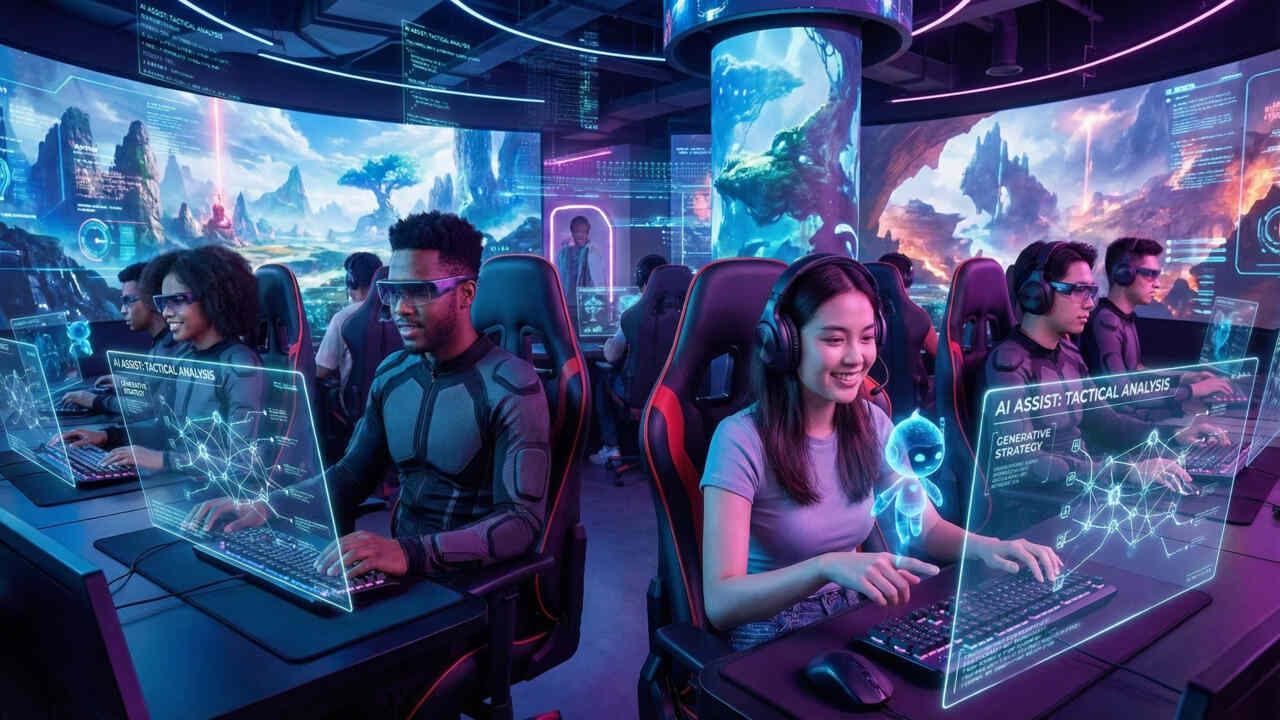
In this design stage, the change is becoming much clearer, especially in open world and sandbox (offering alternative ways to play) genres. The player's freedom was limited by the classic code the developer wrote. AI world models offer a more intuitive and adaptive experience by reversing well-known scenarios. For example, in-game characters called NPCs will be able to interact with each other and with their environment during gameplay.
What Are AI World Models?
AI world models are systems that create real or imaginary environments as simulations that are in dynamic interaction and continuously learn. Just as in real life, these systems analyze factors such as physical laws, object interactions, and environmental variables. As a result, instead of pre-written maps and static physics systems, they bring many possibilities shaped by the player's actions into the game. By pushing the limits of traditional game engines, AI game development allows developers to create broader worlds with less code.
What Does Google DeepMind Genie 3 Promise for the Game World?
DeepMind Genie 3 stands out as an advanced AI model that can generate interactive 3D worlds from short text inputs. This model not only produces visuals, it also creates characters that can simulate realistic actions and interact with each other. When it comes to the game industry, DeepMind Genie 3 is a real advantage. Turning a generated playable prototype concept into something usable is a process that needs work and takes up a lot of developers' time. So with DeepMind Genie, people in the industry can create a 3D environment from an idea in minutes. These environments are no longer just static visual sketches; as mentioned, they respond to physical rules, are affected by environmental effects, and support basic interactions. It opens a new door especially for independent game developers. The advantages of using it are:
- Game ideas are tested at an earlier stage
- Failed concepts are filtered out at low cost
- Taking risks during production becomes easier
World Labs Marble AI and Realistic Simulations
World Labs Marble AI takes AI world models to a more realistic level, bringing them into realistic simulations. The most striking point is how closely it models the world in terms of environment and lit areas in its graphical settings. World Labs aims to offer a more consistent and visually convincing experience in open world games. As gamers know, in open world games you can interact with every object only at a predetermined level. So for an object that has no movement code written for it, you cannot interact with it no matter what you do. This is where a revolutionary change awaits us. World Labs Marble AI gives players the ability to interact with every object they encounter. As a result, it raises the bar for the experience very high.
In fact, by realistically modeling cause-and-effect phenomena in an open world game, it can bring unexpected scenarios to the surface. The idea of turning the game world into an ecosystem may not be far off at all.
Interactive 3D Environment Production and Player Experience
Interactive 3D environment production also affects players' experience psychologically. If players see that their decisions leave lasting traces in the virtual world, they are likely to develop a tendency to connect emotionally with the game. While this may seem like a positive situation in terms of game content, many studies clearly show that highly reactive virtual worlds cause problems with addiction and with distinguishing reality. For this reason, ethical and design concerns will remain on the agenda. With AI world models, the industry is facing issues such as the following:
- Who owns the copyright of worlds generated by AI?
- How will systems that learn from player behavior protect data privacy?
- Will the role of human designers decrease over time?
At this point, the core idea is to use AI as a creative partner and not to remove human oversight from the process.
AI-Powered Games – Advantage and Risk Assessment
| Area | Advantages | Possible Risks |
|---|---|---|
| Game World Design | Dynamic, living worlds that take shape according to the player are created. | Uncontrolled content generation can lead to inconsistent or faulty environments. |
| Player Experience | Offers personalized gameplay and a higher level of interaction. | Excessive immersion can create addiction and behavioral risks. |
| NPC and Character Behavior | NPCs gain contextual awareness and give realistic responses. | Unexpected or inappropriate NPC behavior may emerge. |
| Story and Scenario | Flexible story structures that take shape according to player decisions are formed. | Story coherence and dramatic structure may weaken. |
| Game Development Process | Prototyping and content production speed up, and costs fall. | Excessive dependence on AI can reduce human creative contribution. |
| Independent Developers | Small teams can produce large-scale games. | Low-quality and similar content may increase in the market. |
| Technical Scalability | Game universes can be expanded in real time. | Server load and performance problems may occur. |
| Data Use | Player behavior is analyzed to optimize the experience. | Data privacy and personal data security risks may arise. |
| Copyright and Law | Fast content production gives rise to new business models. | Copyrights of AI-generated content are unclear. |
| Industry Innovation | Creative boundaries in the game industry expand. | Ethical rules and regulations may fall behind. |
A New Era Begins in the Game Industry
AI world models are bringing a very conceptual change to the game industry from a technical standpoint. Thanks to models such as Google DeepMind Genie 3 and World Labs Marble AI, a journey into truly living, learning, and responsive universes beyond fixed scenarios can now begin. In the coming years, the basic goal should be to use AI in game industries not as an uncontrolled transformation, but as a strategic force that feeds creativity.
WriterNVIDIA Alpamayo: Otonom Araçlarda Yapay Zeka Devrimi


Runable AI: Slayt, Web ve Podcast Tasarım Platformu