The New Phase of AI: Trends Changing Our Lives in 2025
Automatically translated
 Writer
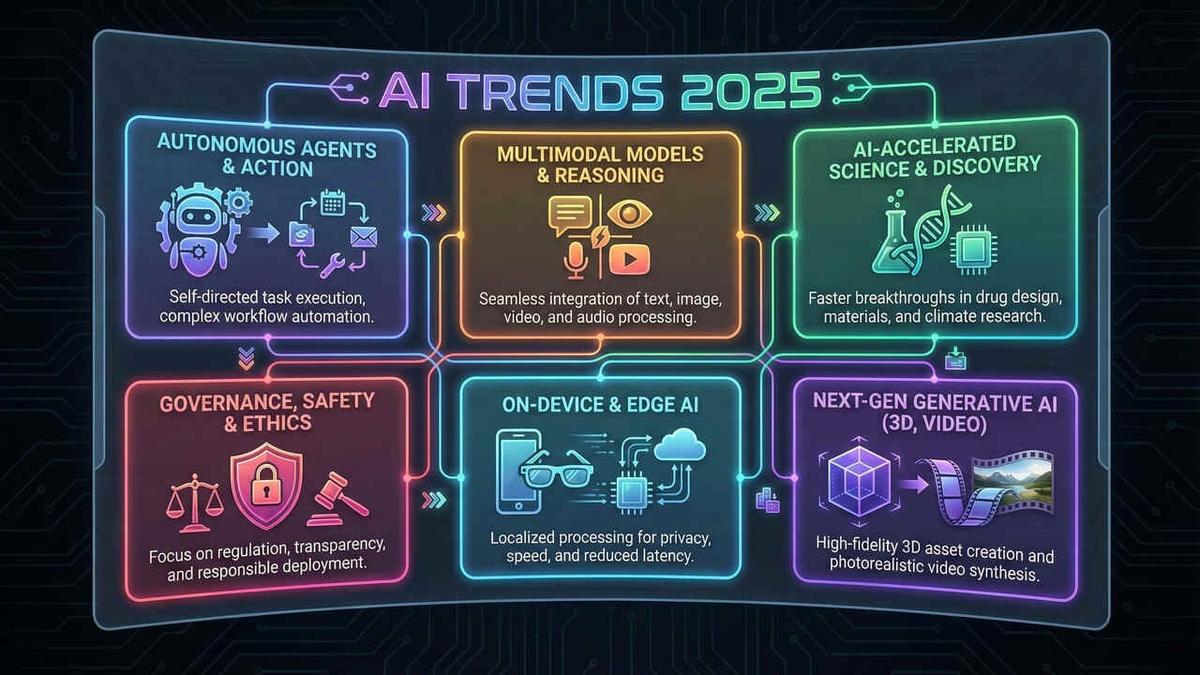
For artificial intelligence, 2025 was a period in which human-machine interaction changed permanently, rather than one defined by new tool launches. AI trends are no longer seen as technology of the future but as part of everyday life and corporate operations. From content creation to voice assistants, from customer relations to organization tools, it has entered our lives across a wide range of areas.

At the heart of this change is the fact that the multi-context structures of models and their decision-making mechanisms have undergone major shifts. At the same time, the growing use of AI as a personal assistant and companies' desire to gain a competitive advantage were enough to keep AI on the agenda in 2025. Alongside all these developments, content pollution and various synthetic visuals have brought ethical and trust issues with them.
Using AI Voice Assistants Is Becoming the Norm
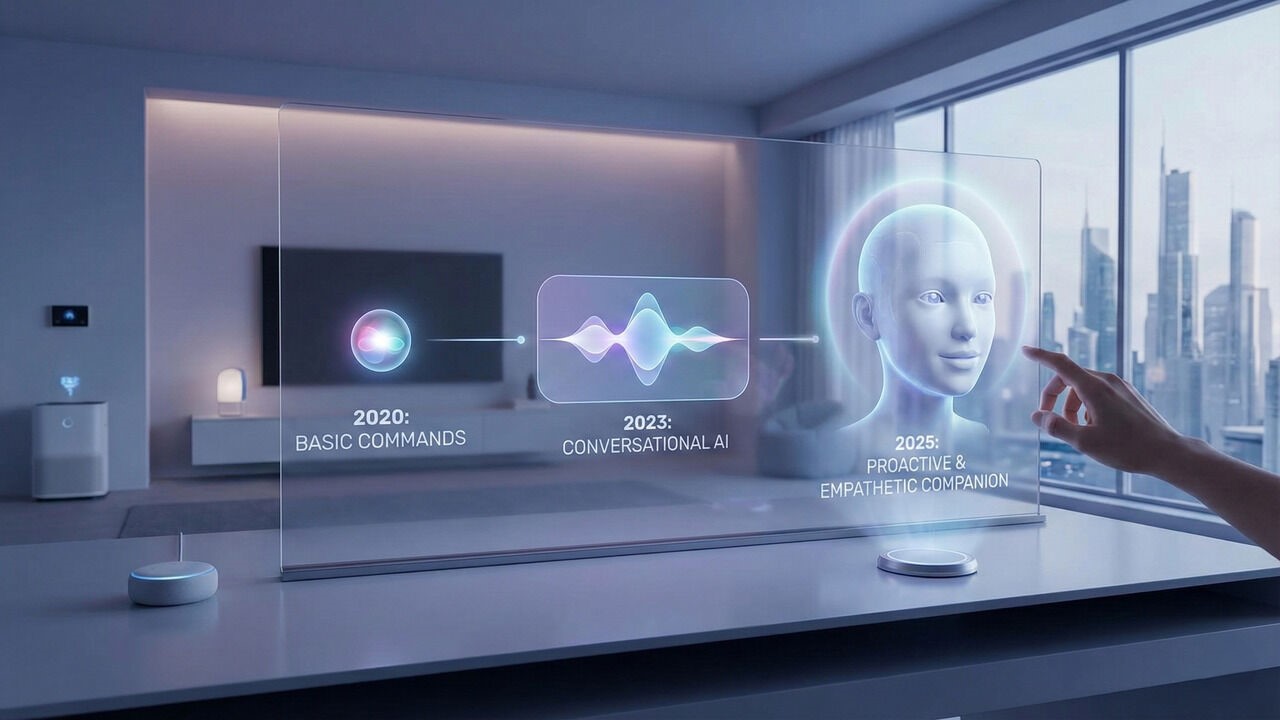
AI voice assistants became very popular in 2025. Digital tools that schedule meetings, summarize emails and analyze personal priorities are now in use. Alongside the rise in individual use, corporate use also increased. Google Gemini, Apple Intellegence, and OpenAI-based assistants have become able to hold real dialogues as their natural language processing abilities have improved.
Especially in the business world, voice assistant use has brought great convenience to time management. Employees and managers can take notes without using a keyboard, speeding up their workflows.
Why Has It Become Harder to Tell AI Images Apart?
One of the most critical stages of the 2025 AI trends was the major change in visuals. The new generation of visual outputs offered users very large and realistic changes in lighting and effects. As a result, with rising visual quality, the realistic images produced have challenged the human eye's perception and raised the question of whether they are real.
On the other hand, fake images circulating on social media bring problems of news credibility and ethical debate, especially in content with news value. Presenting events that never happened alongside prepared videos and images can also mislead audiences. To partly address this, AI companies are deploying AI watermark and metadata verification systems. At this point, individual awareness is of course an important factor.
How the AI Customer Service Experience Is Being Redefined
AI-supported customer service was on the agenda for much of this year. It began to be deployed in most call centers. In this area, AI agents can analyze customers' past data and offer personalized solutions. Thanks to developed AI infrastructures, they not only take a solution-focused approach but also predict customer satisfaction and resolve issues proactively.
Since post-service accessibility is an important issue for companies, they can gain cost and time advantages with a 24/7 operating model. It also delivers a faster and more consistent experience.
AI Organization Tools Are Transforming Workflows
It would not be wrong to say that AI organization tools made significant breakthroughs in project management and team coordination in 2025. With the technologies developed this year, systems not only assign tasks but also analyze performance, identify bottlenecks and offer efficiency suggestions. In addition, in remotely operated workflows, AI-supported organization tools strengthen communication within the process and minimize lost time.
Change in AI Writing Style and Content Production
AI writing style made a big leap in 2025 in establishing context, sounding closer to humans and staying consistent. However, this development also brought confusion and debate to the content world, centered on originality. Although AI-based texts offer writing advantages, human touches are still sought and valued in SEO writing. AI support offers undeniable advantages in writing. But human perception and editorial judgment remain on the agenda and are positioned as sought-after qualities. For AI, we can accept the description of an assistant writer as accurate in this regard.
AI Slop: The Danger of AI Content Pollution
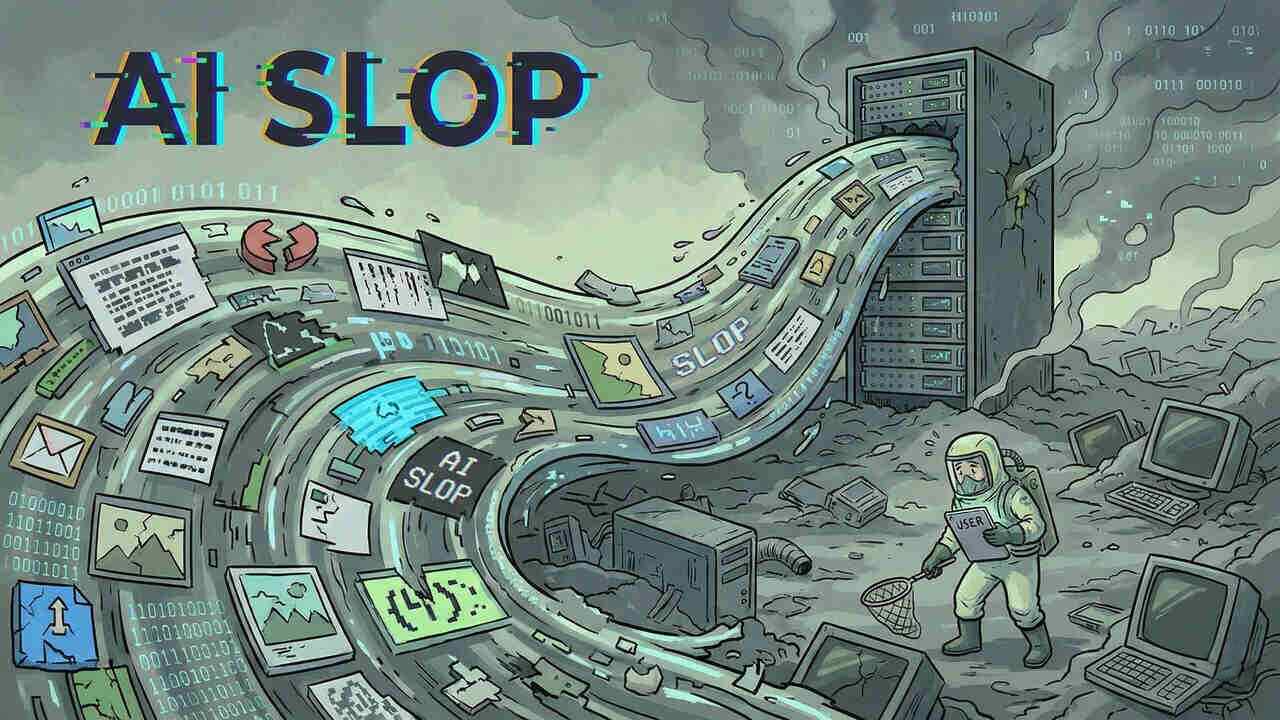
Looking at the risks, one of the most visible dangers is AI Slop, meaning low-quality, worthless AI content, which we encountered frequently in 2025. Seen everywhere on the internet, it can spread from apps to websites, either as fabricated material or as if it were a real image. To put it plainly, it is among the negative situations that most affect user experience. For many people who are not experts, these images can be hard to recognize as AI-generated at first glance. As a result, it leads to the worst-case scenario: erosion of trust. Search engines and social media apps are trying to cope with the confusion using algorithms that filter for real images. Experts say content pollution can be overcome with broader ethical rules and content policies.
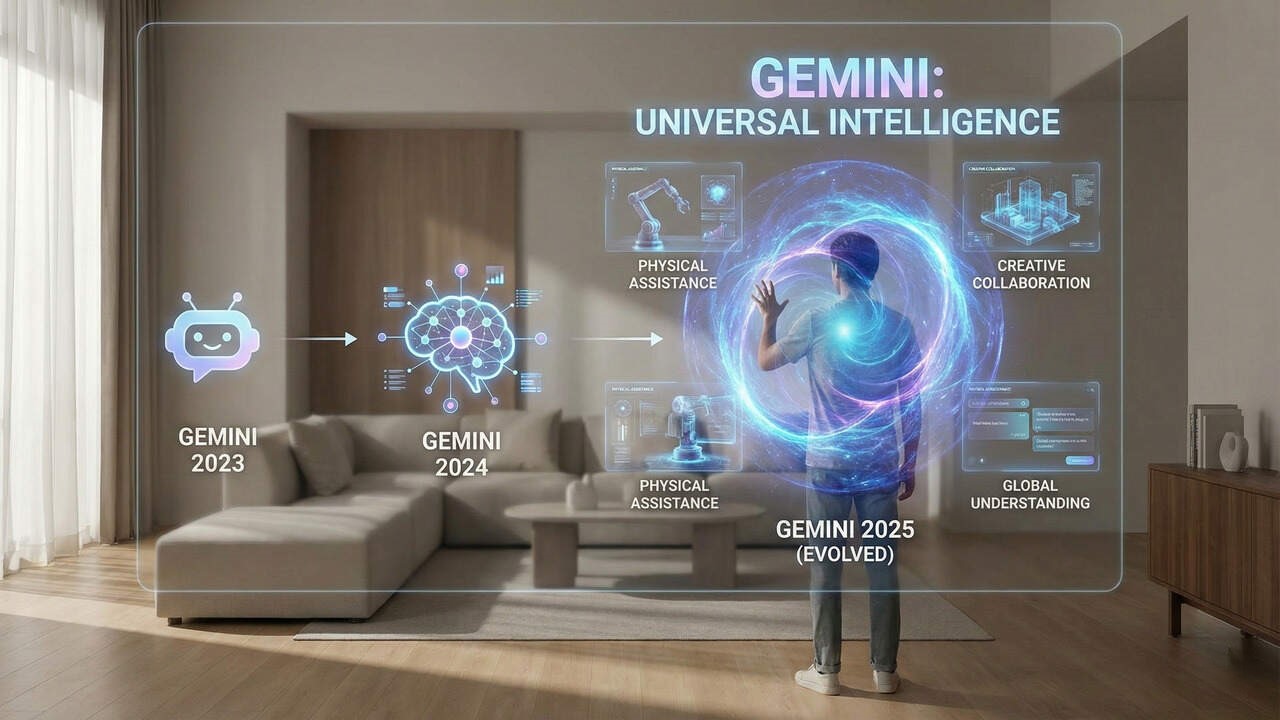
Gemini and the Era of Multimodal AI
Google Gemini, 2025 AI trends placed multimodal AI at their center. Gemini, which can process text, image, audio and video inputs at the same time, can be said to have fundamentally changed content experience and analysis. Users who get fast, highly accurate results can reach comprehensive content through a single platform. Thanks to this approach, a long way has been covered across large areas, from production stages to digital strategies.
This year, 2025, brought great opportunities as well as serious responsibilities when considering the trends in AI technologies and tools. AI voice assistants, customer service, organization tools and the use of multiple systems make life easier, while issues such as fake content production can lead to serious trust crises if not managed well. In short, it can be said that 2025 left the experimental phase behind for the AI field. The time is now coming when adaptation will accelerate and the doors open to technologies that will play a more active role in our lives.
WriterGemini 3 Deep Think Modu Google AI Ultra'da

Yazılımcılar İçin Bilinmesi Gereken 4 Güçlü Coding Sitesi