Artificial Intelligence and Olivia Rodrigo Description from Rolling Stones
Automatically translated
 Writer
When producing artificial intelligence technologies started to change the music sector in a rooted way, not only software and visual production areas in the last few years. Artificial intelligence systems, which can write songs with several lines command, create the best and produce vocals that are quite similar to real artists, brings important discussions about the future of the music industry. In the center of these discussions, the protection of copyrights, originality and digital identity of artists is included.
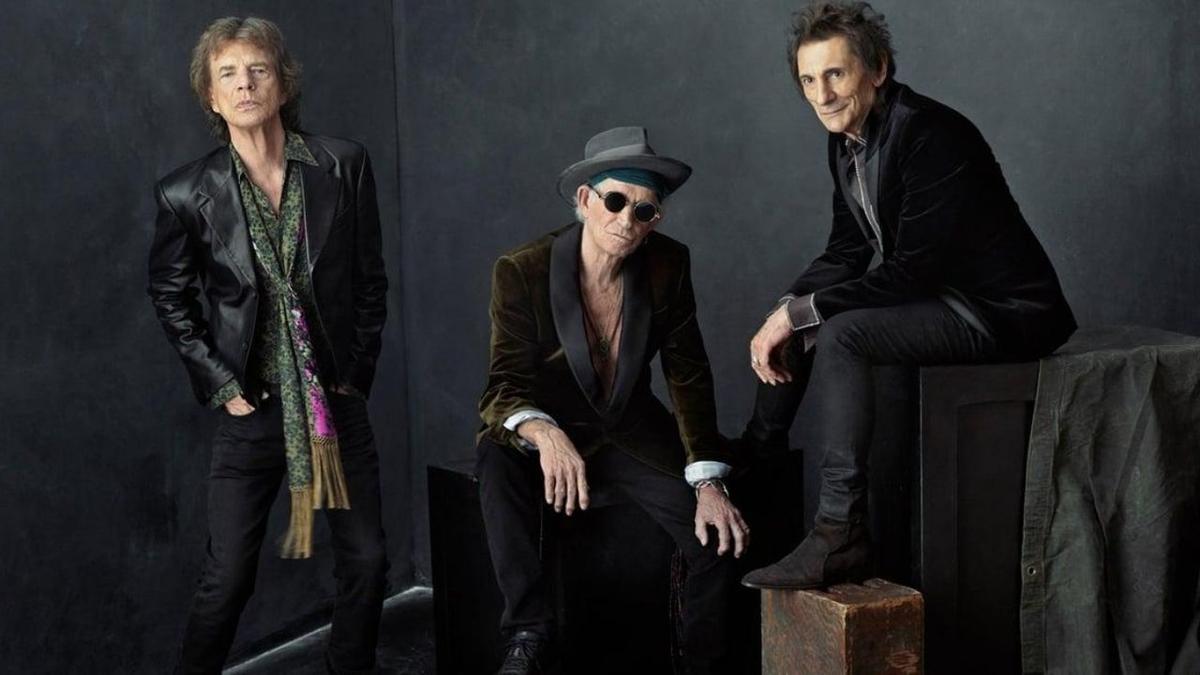
Finally legendary rock group Rolling Stones members Mick Jagger and Keith Richards announcedHe moved the topic to the world’s agenda again. While the dual specifies that artificial intelligence is not entirely against the use of creative processes, he stressed that artists are against the imperfection of voices, works and musical identity.

Especially the evaluations of Rolling Stones in AI woke not only in the music world but also wide echo. In the descriptions, Olivia Rodrigo discusses the copyright discussions that the line between inspiration and copy becomes more complex in the era of artificial intelligence.
So how does artificial intelligence really change music industry? Why is AI-supported music production? What problems arise in terms of copyright? In this article, we take the explanations of Rolling Stones into the center, discuss the future of the AI music, artificial intelligence copyright and music industry in detail.
Rolling Stones Launched a New Period in Artificial Intelligence Music World
Music technologies have been developing for many years. The digital audio processing software from the analogue recording systems gave new opportunities and new discussions in every transformation industry, from CD to online music platforms.
However, the rise of productive artificial intelligence is located in the center of the creative process directly from previous technological changes. Not only software that increases registration quality or regulate audio, systems that can create new songs from beginning available. Rolling Stones members also take care of this change.
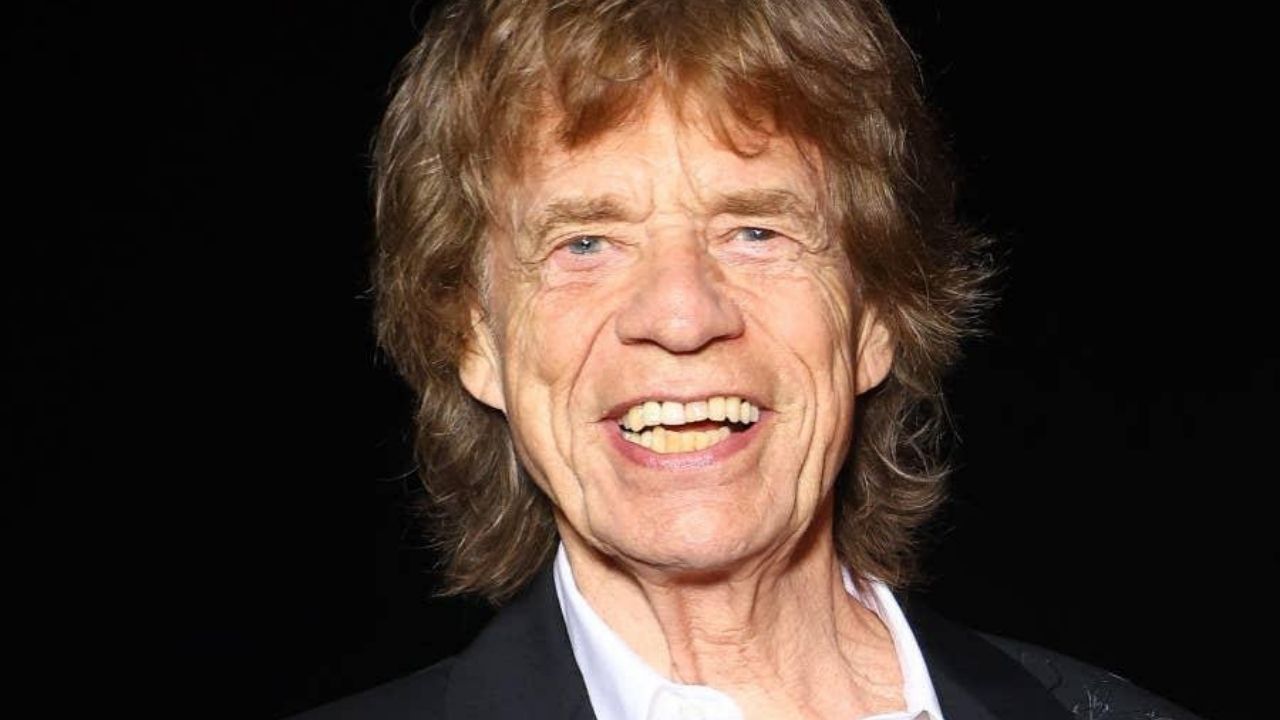
Mick Jagger in his interview While expressing that artificial intelligence is not a technology to be banned, it said that the resulting works should be truly original. According to him, artificial intelligence should be evaluated as a technology that supports creative production, not a tool to replace artists.
Keith Richards states that technological developments are inevitable but it will continue to build the basis of human experience and sense of music. According to Richards, an algorithm can produce technically successful works; but the real art expresses much more than just bringing the right notes together.
How Does AI Music Industry Change?
Today used productive artificial intelligence platforms can create music to the professional level in just a few minutes. Users can create new works in different music genres by typing a short script; singing word, beste, vocal, instrumental arrangement.
This development provides important advantages especially for independent musicians. Demo records that require high cost in the past can now be prepared in a very short time. Moreover, artificial intelligence tools can help composers at the stage of idea development. However, these conveniences that technology offers bring together some important ethical questions.
Advantages of AI Music Production
The main contributions to the music sector of artificial intelligence systems are:
Abbreviating demo preparation time
Making music production possible with low budget
Providing accessible tools for independent artists
Provides quick trials in different types of music
Increase copyrightless music options for content producers
Due to these advantages, many musicians see artificial intelligence as a technology that supports the creative process rather than completely rejecting.
Risks Created by AI Music Production
On the other hand, there are some risks in the music sector of artificial intelligence. At the beginning of them, the sounds of artists are unauthorized imitation. Thanks to advanced audio cloning technologies, vocals can be created quite similar to the actual person using a few minutes of record.
In addition, the training of productive artificial intelligence models with works in copyright protection leads to the experience of legal discussions between music companies and technology firms. The descriptions of Rolling Stones are also fully focused on this point. Group members are positive to support the creative production of technology, while the protection of artist rights is equally important.
Why is Olivia Rodrigo Discussion Rein Agenda?
During the evaluations about artificial intelligence of Rolling Stones members, Olivia Rodrigo has taken into account for example. This is because Rodrigo’s career shows similarity with many questions that come back with artificial intelligence today.
SOUR, the first album of Rodrigo, was evaluated in the direction of some songs were similar to the pop works previously published. In this process, the best loans were reorganized and the copyright shares were changed.
This event has once again demonstrated how sensitive the limit between "take" and "purchase" discussed for many years in the music world. Rolling Stones members also draw attention to this point exactly. According to them, artificial intelligence comes back to our same ethical questions while learning new content from existing works.
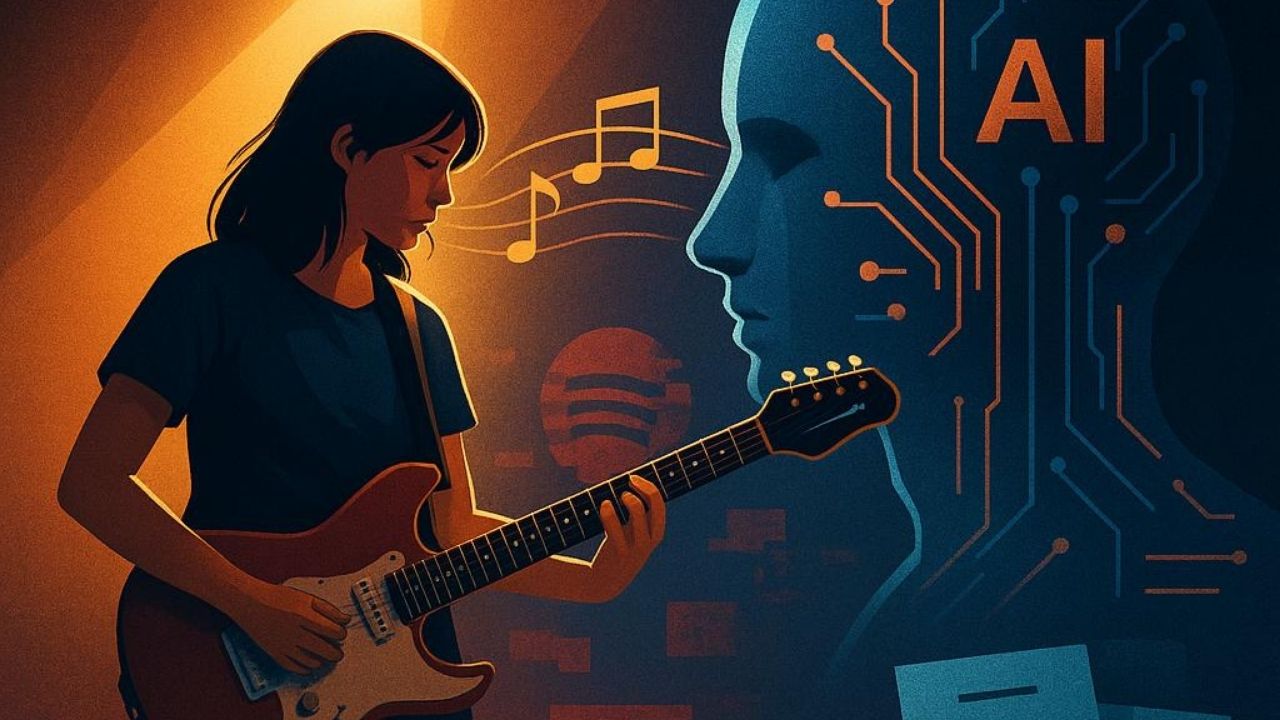
Today many artificial intelligence models create new melodies by analyzing millions of songs. Even if the work that arises from technically is accepted, it brings important legal discussions to be under copyright protection of the educational data used. For this reason, the example of Olivia Rodrigo is not only a royal deal in the past, but it is also seen as an important example in terms of understanding new issues that are facing the music industry in the era of artificial intelligence.
Artificial Intelligence Copyright Issue New Legal Questions Revealed
With the development of productive AI technologies in recent years, artificial intelligence has become one of the most important agenda materials of the copyright music sector. In the past, copyright violations are often evaluated directly through copying of the works, today artificial intelligence systems can produce completely new content by analyzing millions of work. Here’s the situation in the center of the discussion. If an artificial intelligence model analyzes millions of songs in copyright protection in the educational process;
Does this use require license?
Is the permission of the rights?
Can new work be really considered unique?
Who will have the music created by AI?
For the large part of these questions, there is no legal framework that has been accepted globally.
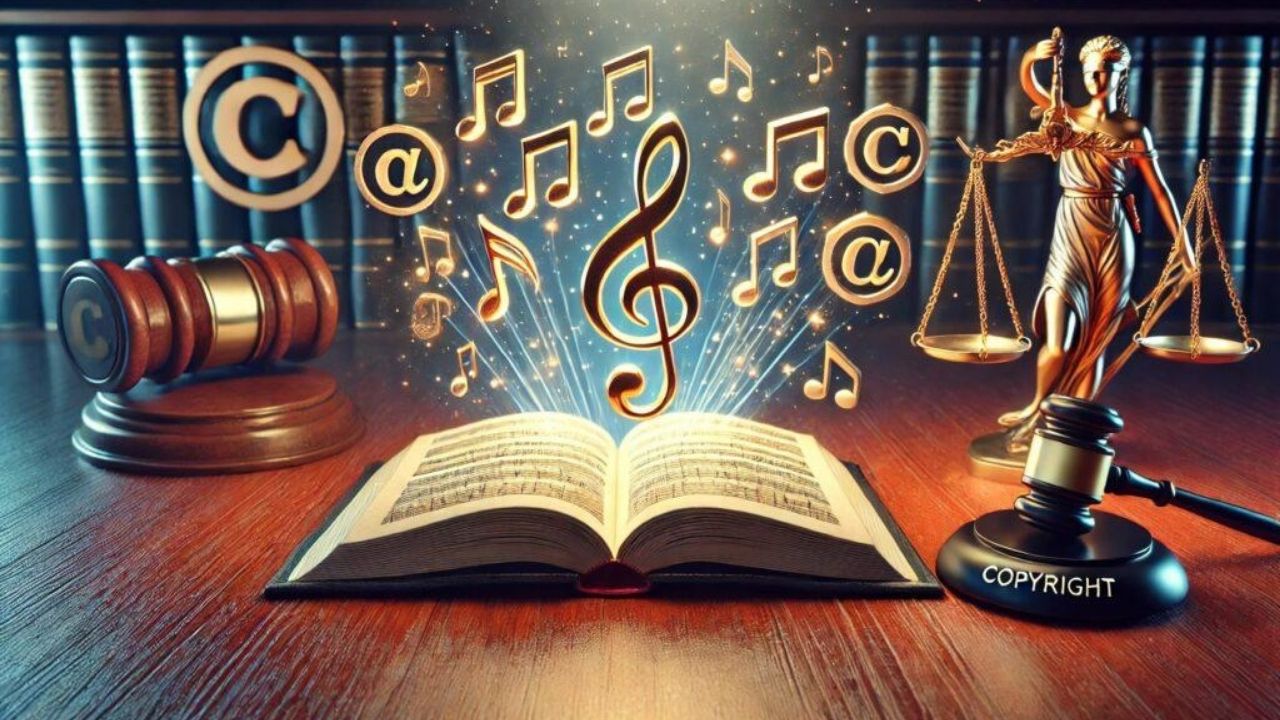
What Does Music Companies Demand?
Large plaque companies and publisher organizations want to create license mechanisms for the works used in the educational process of artificial intelligence models. According to them, artificial intelligence companies benefit from the works of millions of artists while producing economic value. That is why the right owners must be included in the revenue sharing.
How Does Technology Companies Work?
Artificial intelligence developers note that models are not directly copied, they only learn statistical relationships. According to companies, artificial intelligence systems create new combinations and the artifacts that appear are not a one-to-one copy. The separation between these two approaches led many legal processes in recent years.
Artificial Intelligence Not Only Songs, You Can Generate Voices
Today, productive artificial intelligence technologies are not limited only to produce the best. New records that are quite similar to the voice of a artist using a few minutes of audio recordings can be created. This situation creates important risks especially in terms of well-known musicians.
Voice Cloning Technologies Home
Artificial intelligence-supported audio synthesis systems can mimic speech or singing forms of artists moving from short examples. Although this technology has positive usage areas, unauthorized use can lead to serious copyright and personality right problems. One of the basic topics that Rolling Stones members pay attention is the protection of artists’ digital identity.
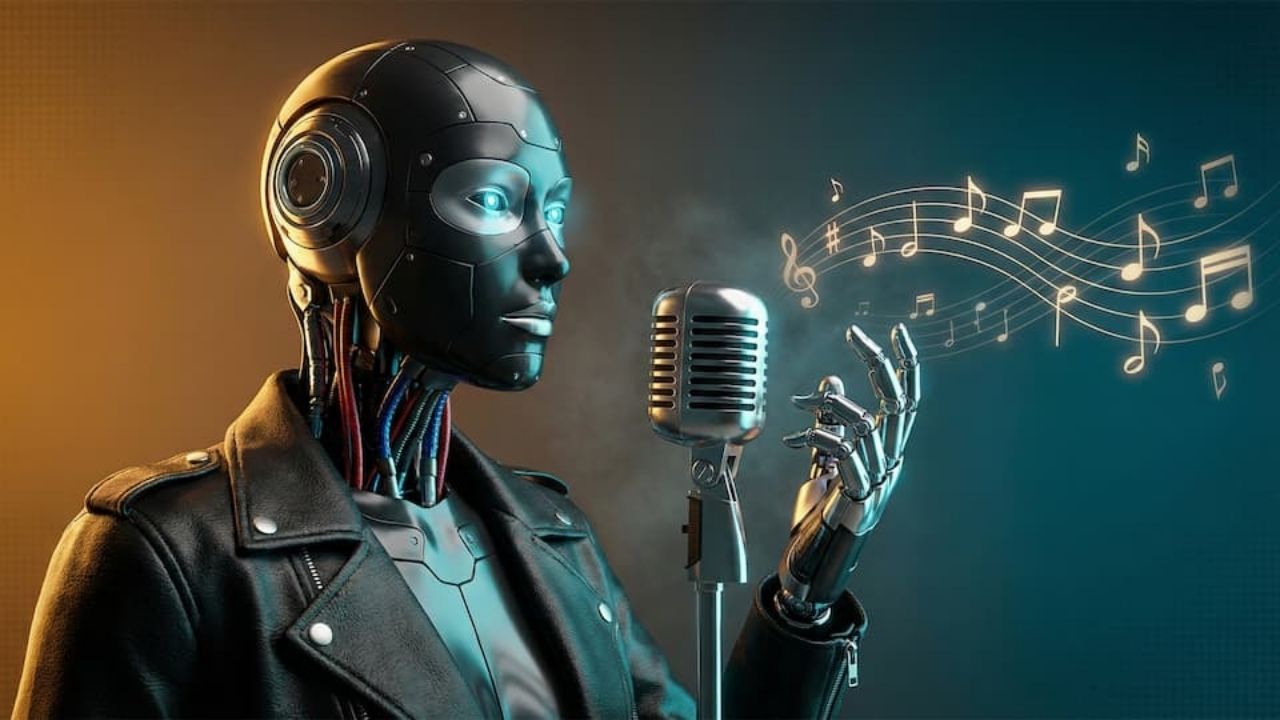
Musical Style Determination
Not only sound of a artist, the best sense, the choice of peoni and the way of comment is part of a unique identity that is formed in years. Artificial intelligence models can create similar works by analyzing these features. This brings the question "Do you get the copyright of the secret?"
If a specific music style is not directly under copyright protection in existing law systems, the opinions on the development of artificial intelligence are increased.
Economic Anxietys
The prevalence of artificial intelligence leads to concerns, especially for advertising music, stock music production and digital content, which can reduce the demand for human labor. Independent composers and peers think that low cost AI music solutions can change competitive conditions in the industry. Therefore, many artists demand the use of technology with rules that protect transparent, fair and copyright.
Why Does Technology Companies Come Against?
One of the biggest disputes in the field of artificial intelligence is experienced among the rights owners of the music sector with technology companies. While the companies argue that productive AI systems should be licensed in the education, technology companies are not fully covered by these new technologies of existing copyright law.
The most possible solution between experts and the parties will be the development of new license models. Thanks to these models, both AI developers can access educational data and protect the economic rights of work owners. The descriptions of Rolling Stones members also support this approach. The group emphasizes that the rights of artists should not be ignored.
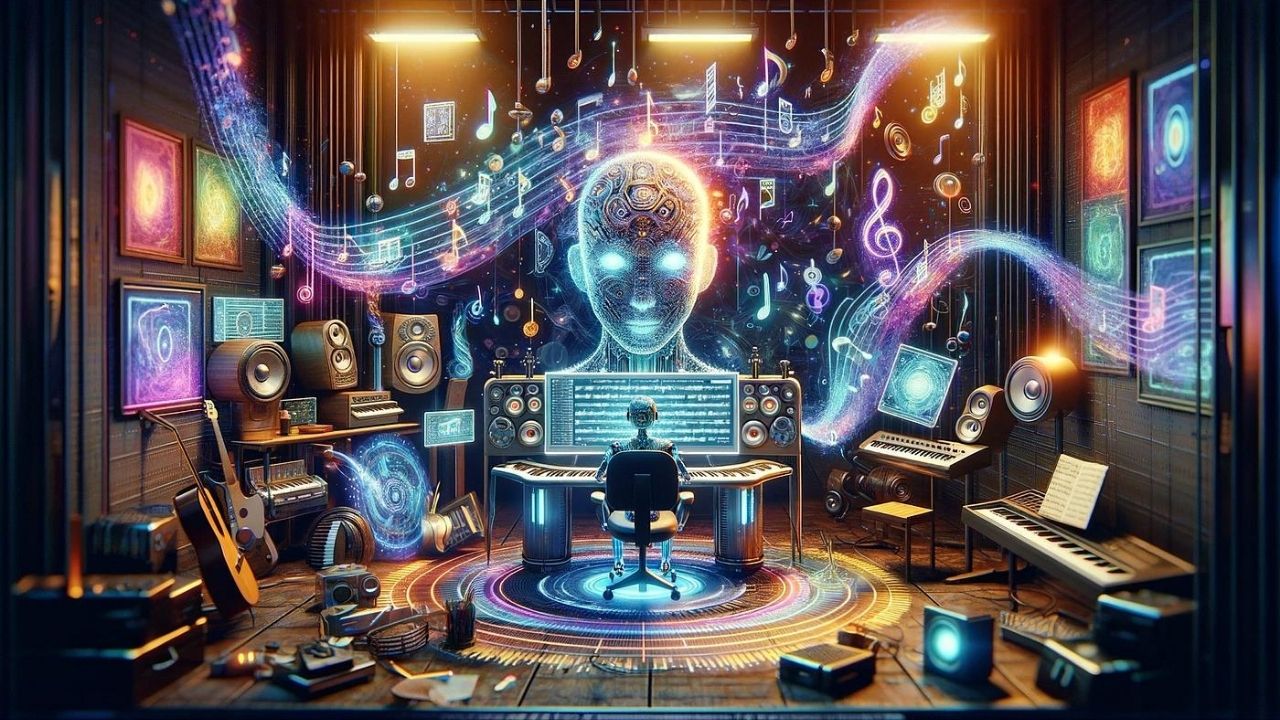
Which Phase of Artificial Intelligence Regulations in the World?
Fast prevalence of artificial intelligence technologies while producing, not only the music industry, Regulations in copyright law and intellectual property Home it directly affects. Nowadays, many countries and international organizations work on new legal regulations on which rules of artificial intelligence systems will be developed and used.
Specifically European Union’s Artificial Intelligence Act (AI Act) As initiatives aim to strengthen the principles of transparency and accountability for high-risk AI applications. The most important headers in terms of music sector are prominent as the disclosure of educational data, the use of copyrighted works and labeling the contents produced by artificial intelligence.
The description of the Rolling Stones members also cover these global discussions. The group argues that artists must create rules that secure their rights instead of blocking the development of technology.
Featured Titles in Regulations
The main purpose of discussed regulations is to produce solutions to:
Make artificial intelligence training data more transparent
inclusion of copyright owners’ licensing processes
Protection of artist voices and digital identity
Clearly labeling content created with AI
Development of revenue sharing models between right owners and technology companies
It is expected to significantly change the work of music sector in the coming years.
How will AI Music Affect Music Industry in the future?
The large part of experts agree that artificial intelligence will be a permanent part of the music industry. However, this condition is highlighted that human artists are completely replaced.
In the past, digital recording technologies, electronic instruments and online music platforms have also caused similar discussions. But these technologies have become a natural part of music production in time.
Artificial intelligence is expected to follow a similar process. Besteciler, productors and audio engineers use productive artificial intelligence in order to improve ideas, demo prepare and accelerate creative processes; the final decision is still predicted by human creativity.
Future Expected Developments
In the coming years in the music industry, the following developments are expected:
New licensing agreements between AI companies and plaque companies
Legally stronger protection of artist voices
Expansion of transparency standards in content produced by AI
Development of new business models for undergraduate education data
Increasing regulations for digital identity rights
These developments can meet both technology companies and artists on a common ground.
Why Is Rolling Stones Important?
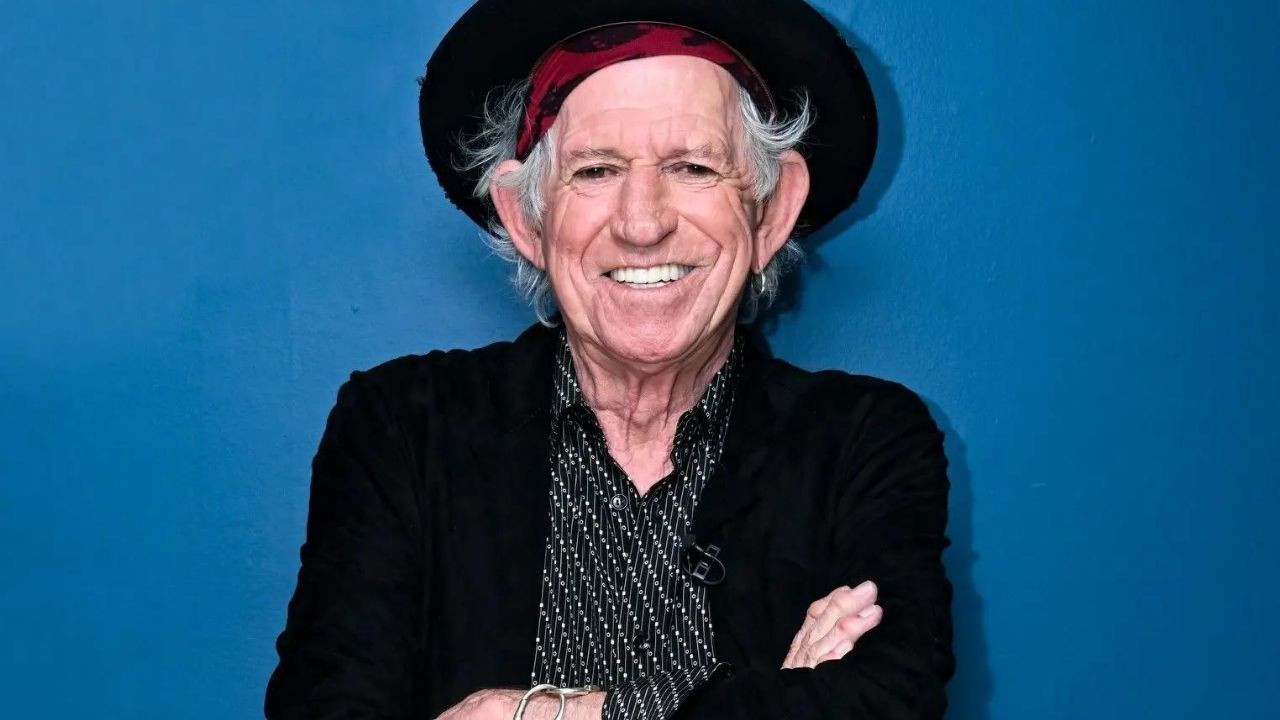
The assessments of Rolling Stones stand at a different point from the approach of "protecting" or "supporting unconditional" that is often seen in AI. Mick Jagger and Keith Richards, technology meets the use of music production. However, the works created in the years of artists are against the use of voices and creative identity in unauthorized manner.
This approach is considered an important message that shows that intellectual property rights can be maintained together with technological innovation in the future of the music industry. In addition, the group has witnessed many technological transformations from the analog record period to digital platforms for decades of career, giving explanations a separate importance. The description of Rolling Stones in AI is not only technological, but also the transformation in the music industry legal and ethical dimensions it also displays the front of the eyes.
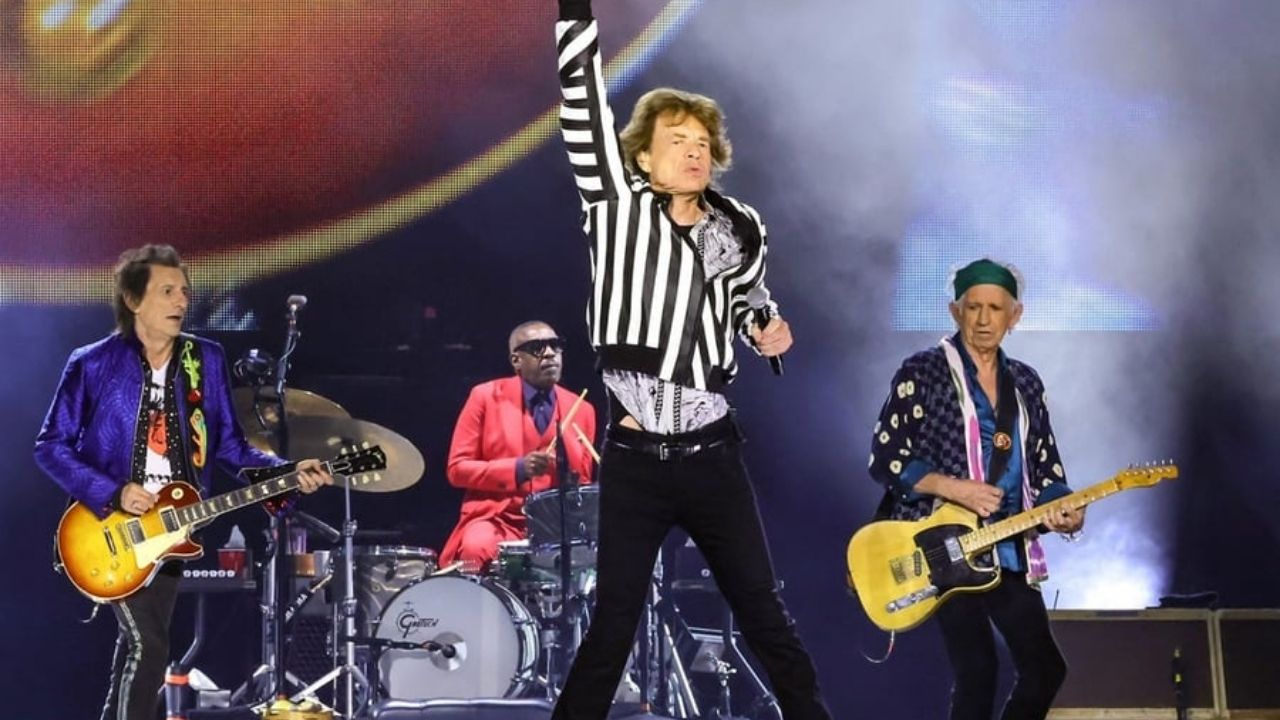
Group members express clearly that they are not against the use of productive AI in creative processes. However, AI emphasizes that artists’ works, voices, or musical identity in unauthorized manner, which will give serious problems in terms of both ethical and copyrights. On the other hand Olivia Rodrigo exampleshows that the line between inspirational and copying was discussed before artificial intelligence. Today, the creation of new content by learning millions of works of productive AI systems makes this discussion more complicated.
Artificial intelligence copyright regulations in the near future will continue to be one of the most important agendas of the music industry. The protection of the rights of artists is critical in the creation of a sustainable ecosystem that supports creativity and secures intellectual property.
Frequently Asked Questions
Is Rolling Stones Fully Against Artificial Intelligence?
No. Mick Jagger and Keith Richards states that artificial intelligence can be used as a creative tool in the production of music but they are against unauthorized imperfection of the works and sounds of artists.
What is AI Music?
AI music refers to songs, compositions, vocals or regulations created using productive AI systems. These systems can produce new works in different types of music based on user commands.
Why Does Olivia Rodrigo Understand In This Discussion?
The best credit and copyright discussions that Olivia Rodrigo lives in the first period of his career are evaluated as one of the examples showing how sensitive the limit between inspiration and originality.
Why is Artificial Intelligence Copyright Issue Important?
Because productive AI systems can create new content by learning from copyrighted works. This situation brings new legal questions on topics such as the use of educational data, licensing processes and revenue sharing of the rights owners.
Can Artificial Intelligence Record?
Artificial intelligence is seen as a powerful tool that supports music production processes according to current assessments. But because of the elements such as creativity, interpretation and artistic expression, human artists are not expected to take place completely.
WriterGoogle ve Screwfix'ten Yapay Zeka Ortaklık Hamlesi


Ai Weiwei Sergisi Cesaret ve Direnişi Nasıl Anlatıyor?