
NLP and Transparency in Health Sector: Trust in Clinical Models
Automatically translated
 Writer
When digitalization in the health sector is rapidly renewed, artificial intelligence models that make significant results from the patient data are no longer just an assistant, but in the center of critical decision-making processes. However, in a field where the error share such as medicine should be close to zero, it creates one of the largest barriers that an algorithm does not disclose to the patient.
What is Clinical Natural Language Processing (NLP) exactly?
Clinic natural language processingis a technology that analyzes unstructured free texts such as doctor notes, laboratory reports and patient history. These systems that go through keyword matching in the past are now able to remove a holistic profile of the patient thanks to the large language models that can grasp the context.

Why Risk Does LLMs Increase in Health Industry?
The rise of large language models in medicine literature does not cut. However, the reliability of models in the field of health is still discussed. For example, in a comprehensive research published in Nature Medicine magazine, artificial intelligence in clinical context The use was tested and concluded that LLMs are not yet safe in everyday medical decision-making processes. Even a clinical field study conducted in the health centers in Kenya also received the comparative performance of LLM-supported assistants with experts. This rise is known as hallucination and brings the problem of offering the actual unusual information of the model itself. This condition in health can give vital results such as improper drug dosage or incorrect diagnosis.
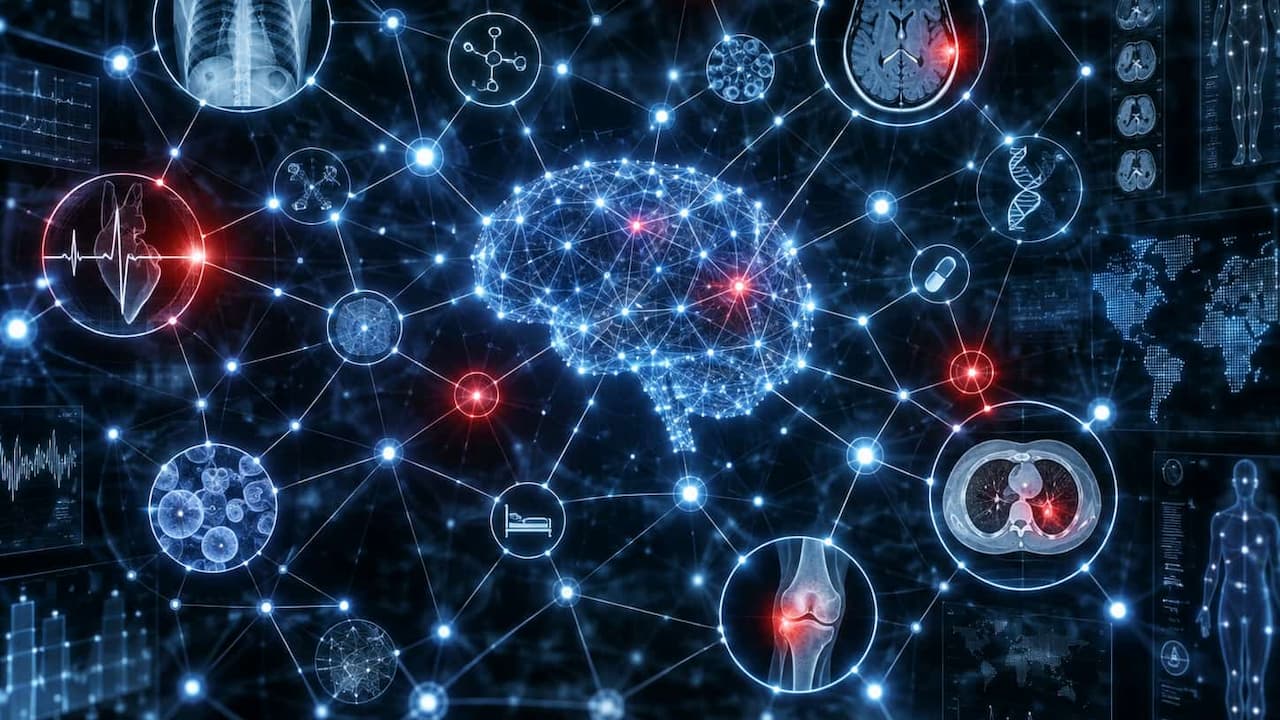
Why Critical Transparency in Clinical Decision Support Systems?
When a Clinical Decision Support System recommends a treatment plan to the doctor, it is a legal and ethical obligation to understand the logic behind this decision of the physician. World Health Organization (WHO), the ethical framework set for the use of artificial intelligence in health In the third principle, the transparency of artificial intelligence systems, clarity of clarity and understandability. A system that does not understand the decision mechanism is able to build clinical trust no matter how high performance is, and is risky by medical professionals.
Is It Possible to Exit from Black Box?
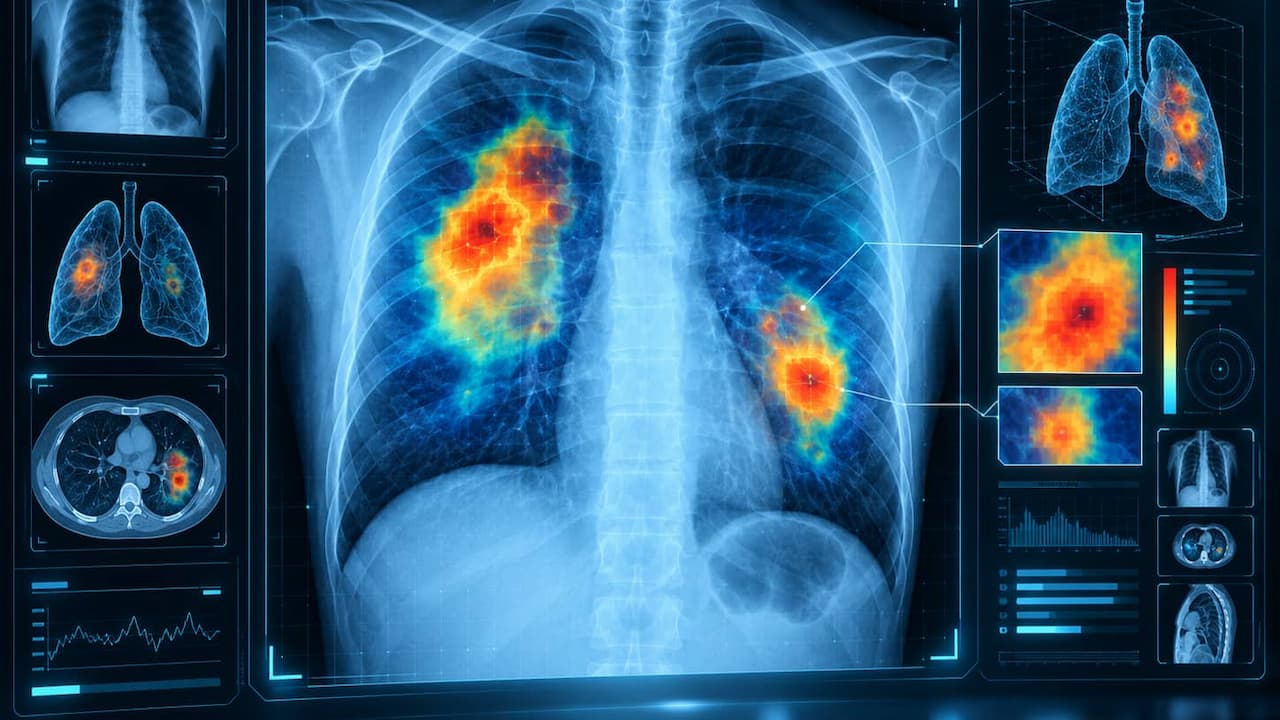
Traditional deep learning models work as a black box; input is given, output is taken but mathematical processes can not be interpreted by human mind. Developed to overcome this obstacle Openable Artificial Intelligence (XAI) techniques retrospectively map which the model decided by giving weight to what data. Thanks to tools such as SHAP or Grad-CAM, it is now possible to detect that an algorithm is suspected of cancer by looking at exactly what stains on the lung X-ray.
What Does Transparency First Change Approach?
Instead of trying to increase performance and then add transparency, the model is becoming the standard of the new era to design from the beginning to be explained. Published in arXiv on January 2026 Transparency-First Medical Language Models (TeMLM) The research called offers a standard model card and data transparency set based on transparency in medical language models. Up-to-date studies such as TeMLM are forced to prove that the system is not only what it knows, but where he learned information (data source transparency).
What does the community think?
The medical professionals and data scientists continue a serious discussion in this regard. Many physicians are forced to openability metrics as they pull the responsibility of a non-transparent system from the legal risks. On the other hand, some researchers indicate that the demand for excessive transparency can restrict the overall performance and response speed of the model, so it is necessary to a balanced regulation, which will support the innovation without damaging safety.
As long as human life is located in the center of medical decisions, the place in clinical practice of internal functioning secret algorithms will always remain limited. The main revolution in the health sector of artificial intelligence HomeIt will create digital colleagues that support them with a full transparency, not to remove human doctors from equation. As this trust bridge was established, the huge potential of technology in the clinic can be much more effective and ethically evaluated.

Frequently Asked Questions
How to split clinical natural language processing from traditional software?
Clinical natural language processing can understand the context, abbreviations and complex medical jargon in hospital reports, unlike traditional software based on specific commands. In this way, irregular and diffusive texts enable them to be analyzed in a system by converting structured data.
Can Open Artificial Intelligence always give accurate results?
No, these technologies show the accuracy of the model, how the model reaches a conclusion. Even if the model is error based on a wrong data, the system helps to block the wrong diagnosis by showing the source of this error to the doctor.
Does the transparency obligation slow the development of artificial intelligence?
It can extend model development times in short term because it requires extra verification processes in every step. However, in the long run, it allows doctors to be much faster than the use in the clinical area, allowing them to trust the system.
As long as human life is located in the center of medical decisions, the place in clinical practice of internal functioning secret algorithms will always remain limited. The main revolution in the health sector of artificial intelligence will create digital colleagues that support them with a full transparency, not to remove human doctors from equation. As this trust bridge was established, the huge potential of technology in the clinic can be much more effective and ethically evaluated.
WriterTEKNOFEST ve Türkiye Yapay Zeka Ekosistemi


Yapay Zekada Halüsinasyona Çözüm: RAG Mimarisi Nedir?