Synthetic Human Age: 20 Thousand Dolara Home Robot Assistant
Automatically translated
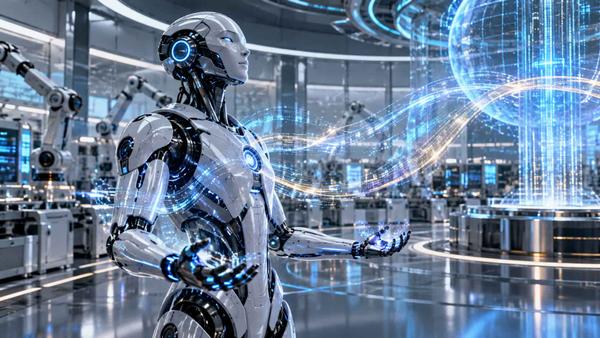
Synthetic Human technology is preparing to enter homes with 20 thousand dollars robot models. These robots working with human-like muscle system are potential to transform everyday life.

Synthetic Human Age: Starts Robot Auxiliary Period at Home
Synthetic Human concept is located in the center of science fiction works for many years, but it has been recognized as a technology that is controversial in the real world. However, in recent years, the developments in robotics, artificial intelligence and biomechanical areas have prepared the ground to turn this concept into concrete reality. Specifically Clone Robotics humanoid robot systems developed by stand out as one of the most remarkable examples of this conversion.
The video shared through the company’s social media platform X is spreading the point where synthetic human technology comes.
Myofiber muscle technology that mimics the human muscle system is seen that the robot in the images exhibits quite fluent and natural movements. This indicates that robots are transformed into systems that can only be mechanical tools and mimic biological movements.
Clone Alpha Properties: Limited Production, Wide Competence
According to the official information shared by Clone Robotics, the Clone Alpha model is developed only within a limited production plan with 279 pieces. This model offered under the title “Reserve” is included in the android category of muskuloskeletal (kas-iskelet) designed for domestic use.
This limited production approach shows that the product is not yet ready to mass market, it is adopted by a much early access and a test-oriented distribution strategy.
One of the most remarkable aspects of Clone Alpha is the educational platform called “Telekinesis”. This system is defined as a learning infrastructure that allows the user to bring new skills to the robot. This approach shows that the robot is not only a device that performs pre-programmed tasks, and turned into a system that can be married according to the user.
When pre-installed skills are examined, the basic internal tasks are largely covered. Clone Alpha points out the system’s environmental awareness level.

However, the robot is seen not only functional, but also equipped with social interaction-oriented features. The features, such as simple dialogue with the user, being able to tolerate guests and mimic everyday social gestures, indicate the behavioral size of the synthetic human concept.
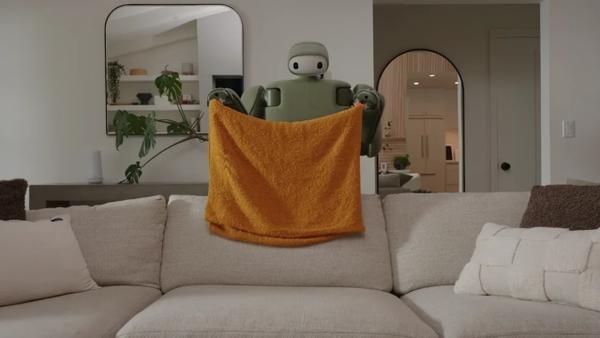
On the domestic operational tasks side, Clone Alpha is stated that it can serve beverage, prepare sandwiches, manage washing-drying processes, clean with vacuum cleaner and install the dishwasher and perform numerous functions.
It is also among the critical features that can track the user of the robot, carry objects and bring the necessary items, turn it into an active aid from a passive device. The autonomous charging feature shows that the device is designed in accordance with the continuous use scenarios.
Hand and Movementability: Human Similar Manipulation
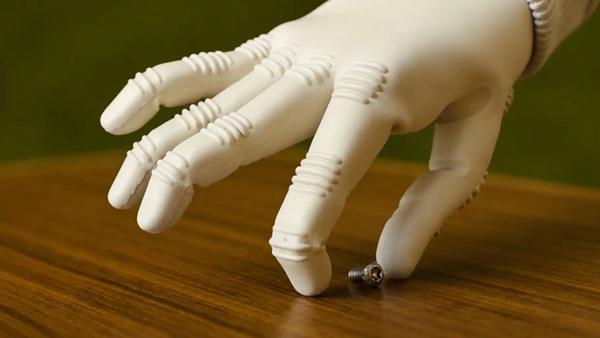
In visuals and promotional materials shared by Clone Robotics, the hand structure and mobility of the robot are taken into the forefront. The developed hand models are seen that human eline has similar multi-axis mobility.
Thanks to this structure, the robot understands that the capacity of moving objects, performing sensitive movements and fulfilling tasks requiring fine motor skills increases. This hand mechanism combined with muscle-based motion system makes the robot not only work requiring rough strength, detail-oriented tasks.

This development shows that one of the most critical thresholds of synthetic human technology, “manipulation problem”. Because humanoid robots can be activated in the real world, not only able to move, but can interact physically with the environment.
Robot Butler Concept: Are Luxury, New Normal?
The concept of robot buttons has been evaluated as a difficult technology to reach more luxurious and more in the past. However, recent developments reveal that this perception changes quickly. These systems planned to be presented with a price tag of about 20 thousand dollars are positioned as a home technology that caters to the middle-high income group.
The basic functions of these robots include home cleaning, simple cooking preparation, goods editing and management of daily routine work. But the main remarkable point is that these systems have not only task-oriented, but also the ability to learn adaptive. Artificial intelligence-supported these structures are expected to be more efficient in time by analyzing user habits.

In this context, robot butler systems enter the “student aids” category unlike classical household appliances. This indicates that synthetic human technology brings not only physical but cognitive transformation.
Myofiber Muscle Technology: Anatomy of Synthetic Muscles
Myofiber muscle system, one of the most critical components of synthetic human technology, is evaluated as a revolutionary development in robotic field. This technology consists of special fibers that mimic the working principle of human muscles.
The motors used in classic robot systems often produce hard and mechanical movements, Myofiber muscle structure offers a more flexible and organic movement. The movements of robots are more fluent, more natural and more “human”.

Another important advantage of this system is energy efficiency. Myofiber muscle structure, which consume less energy compared to traditional motor systems, enables robots to stay active for longer. It also facilitates the modular, maintenance and repair processes of this muscle structure.
Technical information and visuals shared by Clone Robotics show that this system is not only theoretical, practical.
Development Process of Synthetic Human Technology
Synthetic Human concept has become a day with biomimetic engineering studies first. The main purpose in this field is to integrate biological systems into engineering solutions.
The first humanoid robots developed at the beginning of 2000s have not reached large masses due to limited mobility and high costs. However, the development of artificial intelligence algorithms, the cheapization of sensor technologies and the progress of material science accelerated the transformation in this field.

Today, at the point of the bride, synthetic human systems have become complex structures that can not only act; perceive the environment, decide and learn. This transformation has enabled robotic technology to enter individual living spaces from industrial uses.
Home Use Scripts: Is It A Realistic Future?
One of the most discussed aspects of synthetic human technology is domestic use scenarios. How to play a role in the daily life of robots butler systems, this technology will directly affect the adoption speed.
Elderly care among the pregisted use scenarios is the automation of disabled individuals, the role of helping child care and domestic work. In countries, particularly increasing the rate of age population, the need for such technologies is increasing.
However, it is necessary to evaluate these systems in terms of security, data privacy and ethical use. This type of devices integrated into the house is an important discussion header that processes and store user data.
What Does 20 Thousand Dollars Invest?
The price tag of about 20 thousand dollars shows that this technology does not yet appeal to large audiences. But from the date of technology, similar products are seen to be cheap and widespread over time.
For example, the first personal computers and smartphones are also presented to the market as high-cost products initially. But with the increase of production costs and demand, these products have reached large masses.

It is expected that a similar process applies to synthetic human technology. This indicates that the robot buttons systems can be accessed in the next 10-15 years.
Competition and Technological Race
Synthetic human technology is not limited only with Clone Robotics. Many technology companies and research laboratories around the world work on similar systems.
Especially the US, Japan and South Korea-based companies make serious investments in humanoid robot technologies. This competition environment contributes to the drop of costs while speeding innovation.

For example developed by Norwegian-based 1X company Robot named “Neo”aims directly to the consumer market with about 20 thousand dollars. This robot is indicated that it can perform basic home work, such as dish placement, washing folding and plant irrigation.
In this context, synthetic human technology can become one of the most competitive areas of technology industry in the coming years.
Ethics Discussions and Social Impact
The prevalence of synthetic human technology brings together many ethical discussions. Human-like robots are involved in everyday life, and new questions about human-robot relations are per day.
The potential for emotional bonding of these systems is considered both the opportunity and risk in terms of particularly alone individuals. It is also an important issue of discussion on the work force market.

Individuals working in the domestic service sector can replace robots, economic and social balances. Therefore, the development of this technology should be discussed not only technical, but also with a sociological perspective.
How Much Near Synthetic Human Reality?
Synthetic Human technology has now become a theoretical concept and turned into a reality that can be assessed through concrete products. Robot butler systems and Myofiber muscle technology are among the most important indicators of this conversion.

Although these systems have not yet reached the common stage of use, existing developments show that this technology quickly progresses. In the coming years, synthetic human systems become an integral part of everyday life.
This process is evaluated not only technological but also as a messenger of a social transformation.
OpenAI Anthropic Savaşı: İhanet, Sızıntı ve Halka Arz!


LLM ile Eşli Programlama: Google Destekli Ücretsiz Kurs 2026