



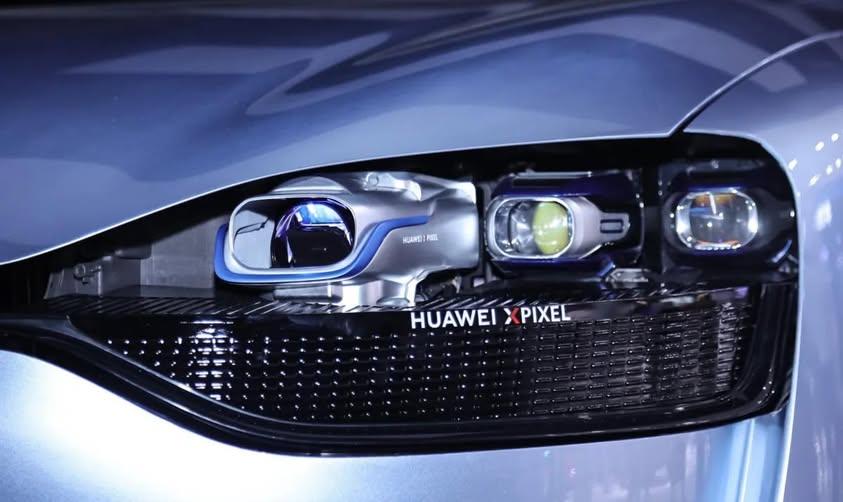
Beyond Road Lighting: Meet the Huawei XPIXEL
Automatically translated
 Creator
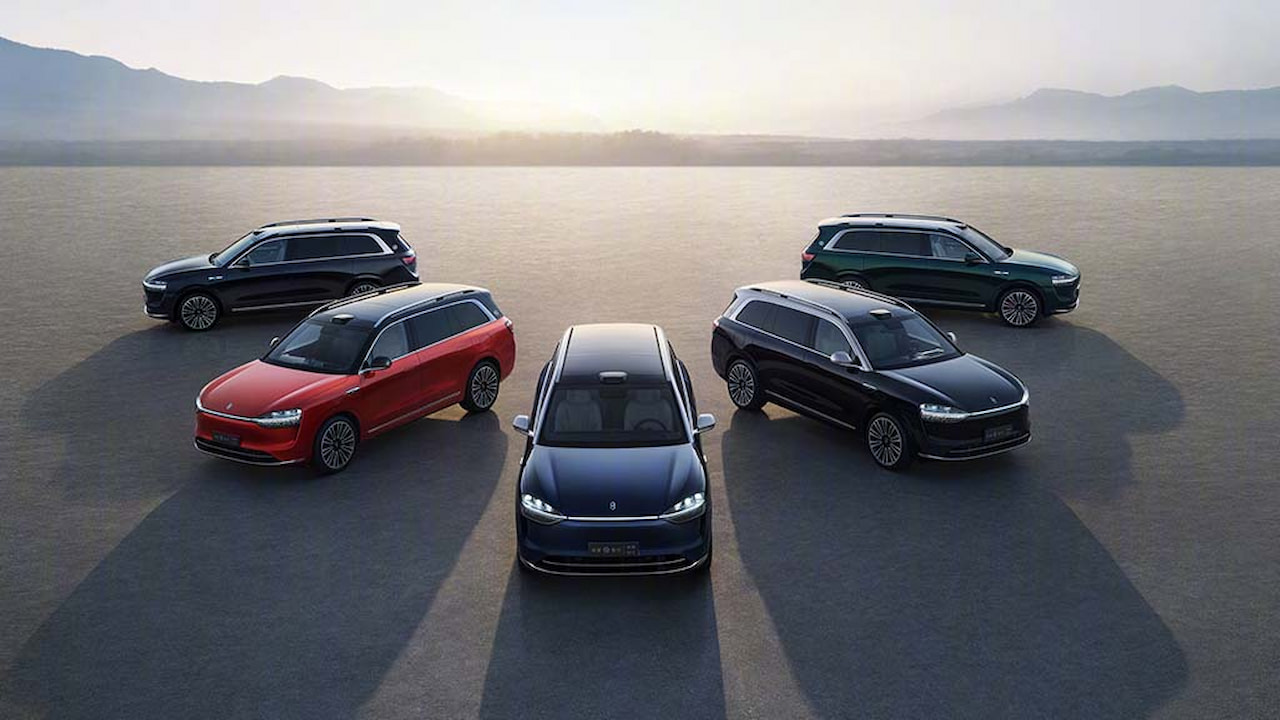
The automotive industry is going through a fundamental, revolutionary structural transformation, much like mobile phones became smartphones over the years. In the "Software-Defined Vehicle" (SDV) era, where mechanical components are increasingly digitized, we are seeing one of the most striking reflections of this evolution in car headlights. Headlights, whose only purpose for years was to light dark roads, have now become sophisticated digital interfaces that can communicate with drivers, pedestrians and other vehicles. At this point, Huawei XPIXEL technology rewrites the traditional understanding of lighting and sets a new standard for the industry. AITO M9 and other flagship luxury models set the standards with this system, redefining light as not just a lighting tool but a safety, communication and entertainment tool.”
The Foundation of the Technology: Clear Vision Made of Pixels
Over time, automotive lighting has evolved gradually from halogen bulbs to standard LEDs, and then to matrix LEDs that can dim specific areas of the road. Traditional matrix headlights rely on dozens or hundreds of LED cells being switched on and off by zone. However, the groundbreaking Huawei smart headlight projection takes its foundations from DLP (Digital Light Processing) technology used in the cinema industry and competes in an entirely different league.
At the heart of the system is an extremely complex micro-electromechanical chip called a DMD (Digital Micromirror Device), developed by Texas Instruments. Barely more than an inch in size, this chip carries millions of microscopic aluminum mirrors that can move thousands of times per second. This architecture delivers a total resolution of 2.6 million pixels per vehicle (1.3 million per headlight).
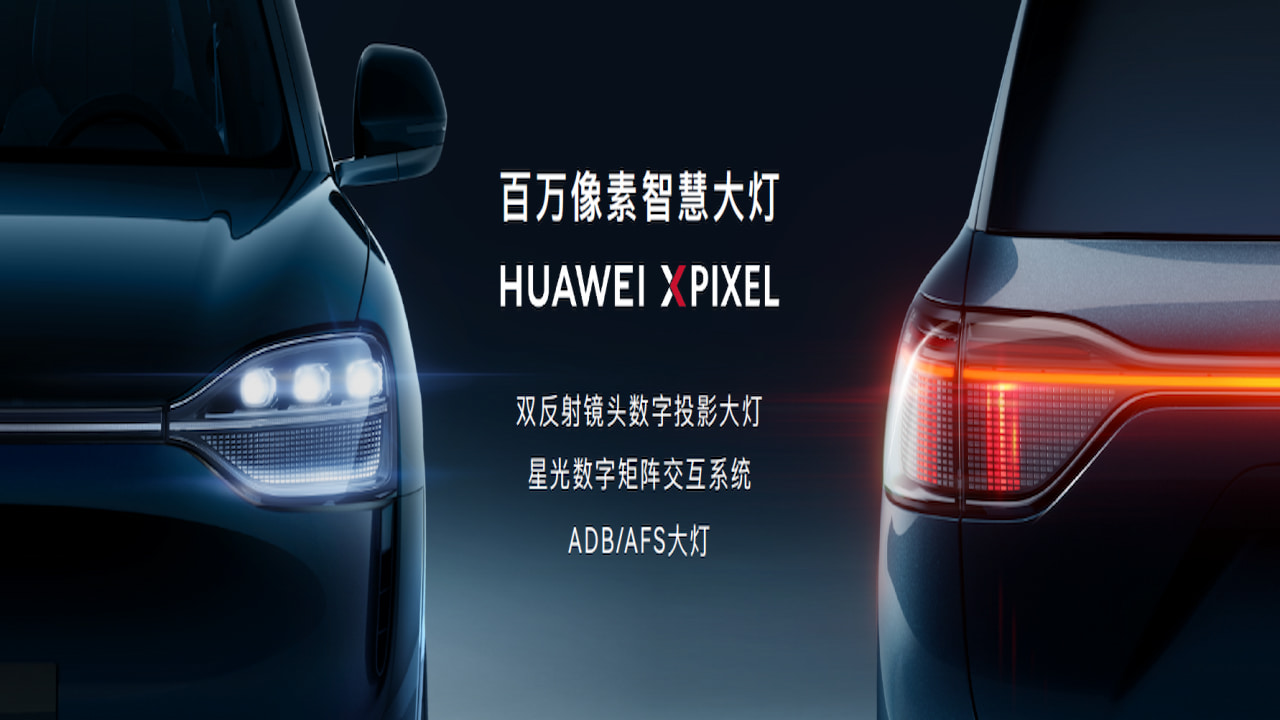
Powered by the 800V high-voltage platform, this advanced system uses Huawei's proprietary dual-reflector space optical lenses to project very sharp, high-contrast and lossless images as close as 3 meters in front of the vehicle. Compared with competing traditional matrix systems, XPIXEL offers a smooth digital canvas drawn with pixels. While MicroLED technologies offer tens of thousands of pixels, DLP continues to hold a decisive advantage in resolution and sharpness.
The Proactive Era in Safety: Headlights That Read Their Surroundings
In the automotive world, the biggest focus today and in the future is undoubtedly the safety of drivers, passengers and pedestrians. Looking at driving safety technologies in the 2026 outlook, headlights are no longer passive lights but are designed as active safety shields. XPIXEL draws this capability from its seamless data integration with the vehicle's Advanced Driver Assistance System (ADAS). Data collected by the Qiankun ADS system, which consists of 192-line (or next-generation 896-line) high-resolution LiDAR sensors, millimeter-wave radars and cameras on the vehicle, is sent directly to the headlight control module.
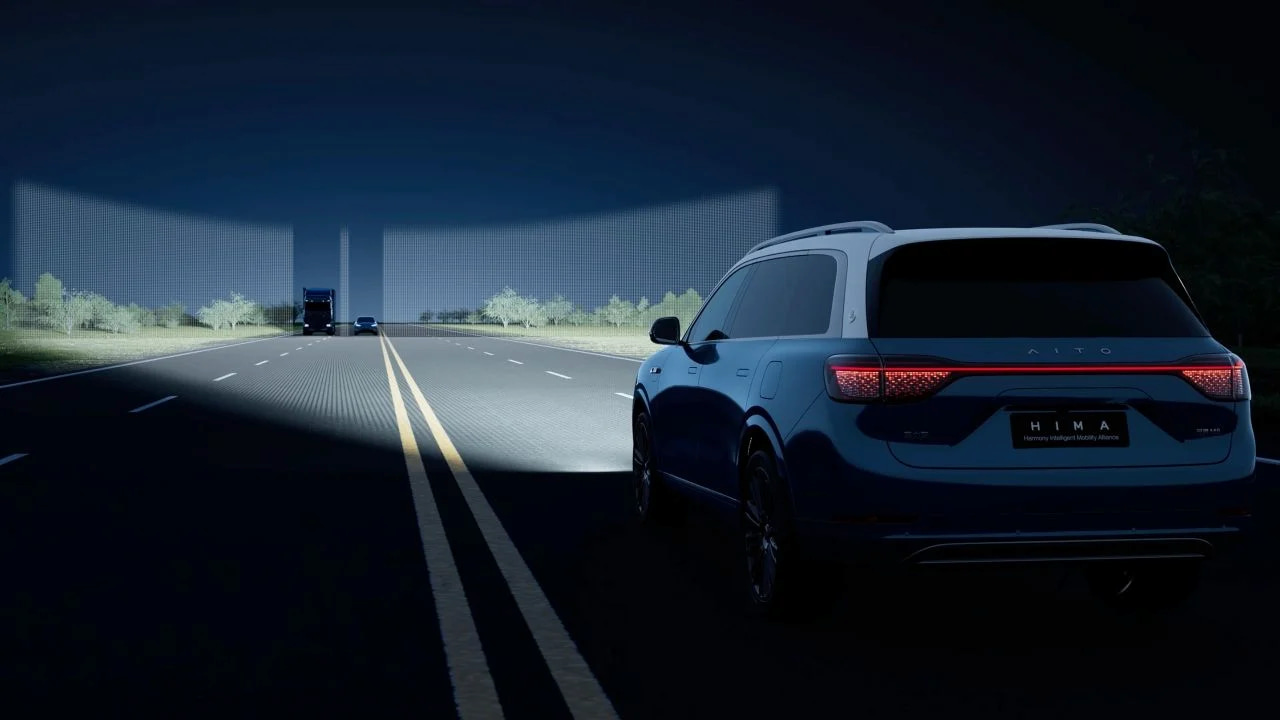
So how does this affect the real driving experience? When driving at night and an oncoming vehicle approaches, Adaptive Driving Beam (ADB) activates instantly. With 1.3 million pixels of precision, only the light falling on the oncoming vehicle is cut, creating a moving dark "tunnel" around it. This way, the driver of the other vehicle is not dazzled, while you continue to see the rest of the road in full clarity.
Moreover, if the sensors detect a pedestrian at the roadside at night who is hard to notice 50 meters ahead, the headlights instantly send a special warning beam that lights only the pedestrian's lower body, drawing the driver's attention to that point. During a possible collision avoidance maneuver, the safe escape route follows the movements of the steering wheel and is drawn on the asphalt with light, giving you visual guidance.
Uninterrupted Driving in Harsh Weather with a "Light Carpet"
The moments drivers struggle most are undoubtedly during heavy fog, rain or snowfall. In dense fog, traditional headlights scatter light and create a white wall effect (Mie scattering) in front of the driver, reducing visibility to dangerous levels. Huawei XPIXEL technology shapes the light beam at the pixel level, reducing the intense reflection directly in front of the vehicle and concentrating light power into specially focused tunnels further down the road. In addition, special coatings and optical apertures are used to minimize data loss caused by water droplets and to provide resistance to harsh weather conditions.
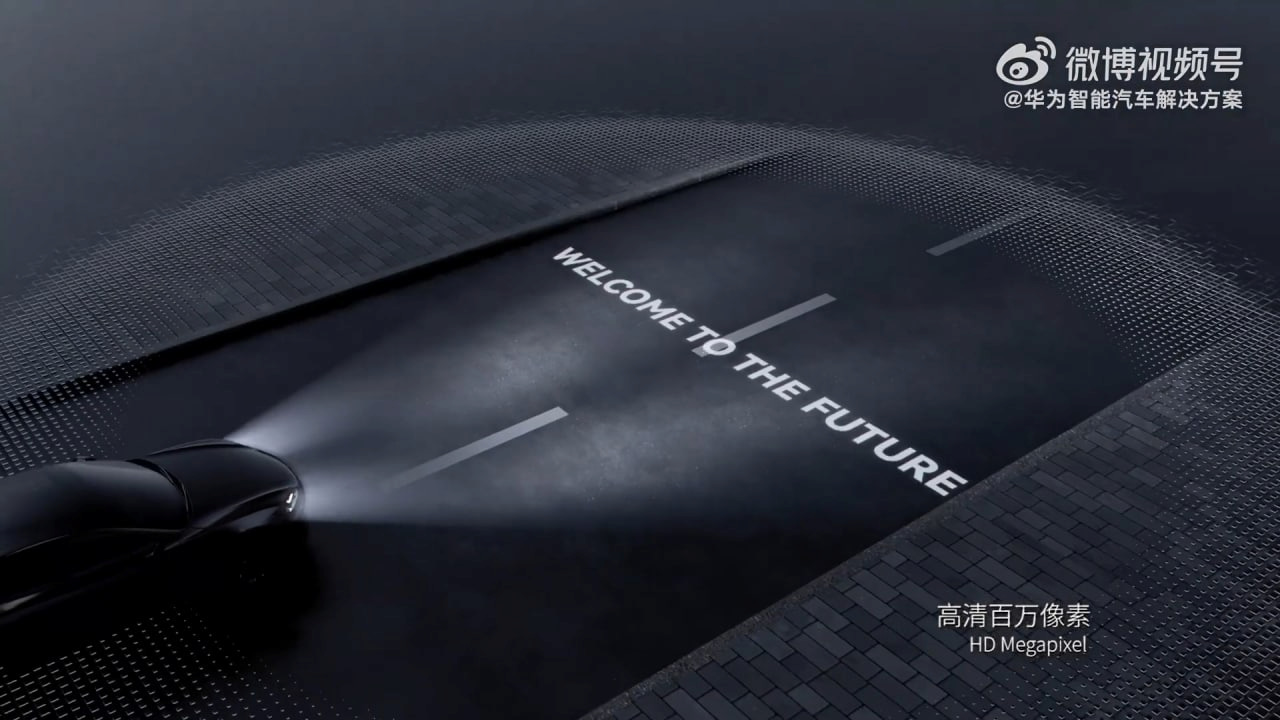
In situations where visibility is almost lost, a Light Carpet is laid on the asphalt using data from LiDAR sensors, which can see through fog. Especially when passing through narrow streets, unlit village roads or tricky bends, the headlights project the full width of the vehicle (including mirrors), drawing virtual guide lines for the driver. These virtual lanes help you pass safely through tight spaces while completely eliminating the risk of collision.
Social Interaction and a Four-Wheeled Entertainment Center
Advanced smart vehicle lighting systems do not only focus on safety; they also push boundaries in personalization and digital entertainment. The XPIXEL system offered with the AITO M9 turns your vehicle, quite literally, into an open-air cinema or game center.
When you park your car against a suitable wall or flat surface, the headlights can project a huge 100-inch cinema screen. This high-resolution projection, with 100% P3 color gamut, combined with the vehicle's 25-speaker sound system with 2080W of power, offers users a unique open-air karaoke or multiplayer gaming experience.
It also becomes an aesthetic social communication tool in everyday life. When you get in or out of the car, personalized welcome and farewell animations can be played. For special moments such as birthdays, festivals and weddings, traditional Chinese lantern motifs, symbols of happiness or romantic patterns such as a "Love Heart" can be projected onto the road.
V2X Communication with Future Smart Cities
The XPIXEL system is designed with a visionary structure that considers not only the driver but also the outside world as part of the autonomous ecosystem. In the near future, when autonomous vehicles increasingly dominate the roads, pedestrians' trust in driverless cars is a critical issue. When XPIXEL detects a pedestrian waiting at an intersection, it projects a virtual crosswalk onto the asphalt to indicate that it is yielding. In this way, the communication gap between machine and human is completely closed.
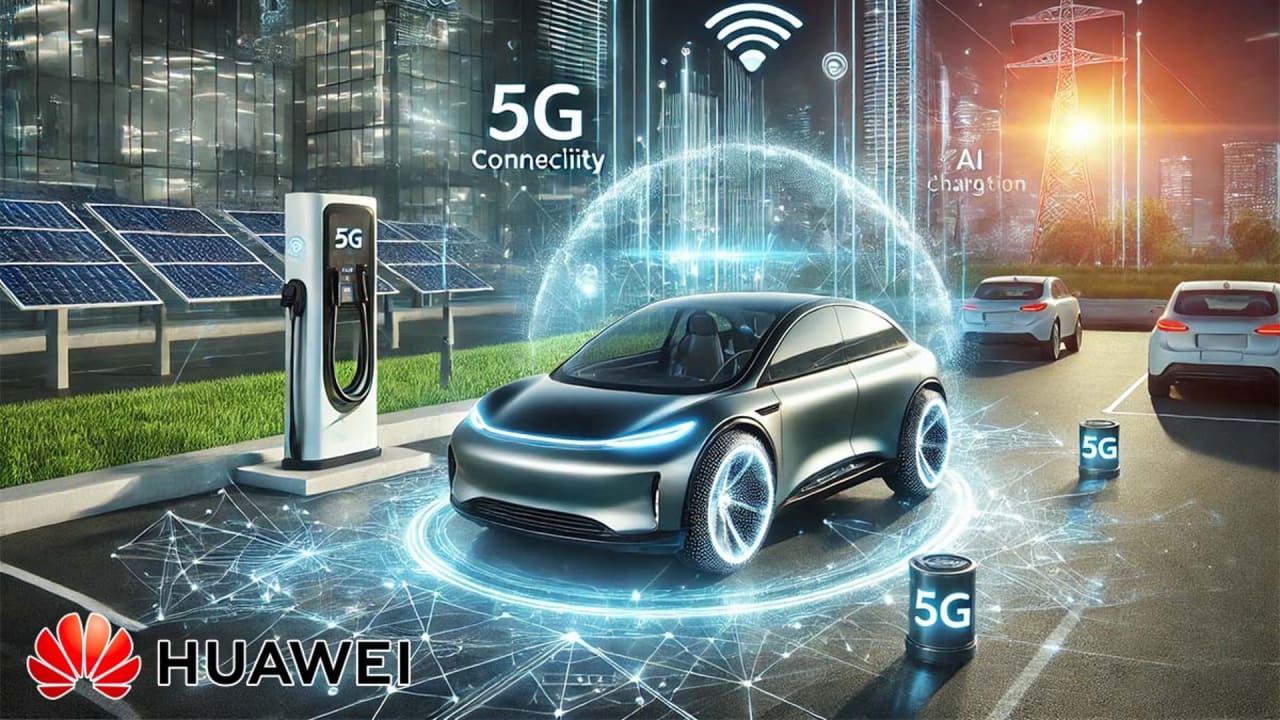
In addition, integrated with V2X (Vehicle-to-Everything) technology and 5G-A infrastructure, it also has the potential to project real-time data it receives from upcoming smart traffic lights (RSU units) in front of the driver as a countdown or red light warning. This technology will greatly help prevent accidents and harmonize traffic flow by working in sync with the smart traffic management systems of cities.
The Digital Lighting Revolution in the Automotive Industry
When all these revolutionary capabilities come together, Huawei XPIXEL technology represents much more than a simple lighting hardware. These headlights, a seamless blend of optical engineering, artificial intelligence and advanced semiconductor technology, work like a computer that thinks, anticipates and speaks.
This new generation of smart lighting, intertwined with autonomous systems and combining safety with art and entertainment, goes far beyond lighting roads. Proving its maturity with models like the AITO M9, which achieved significant commercial success in the Chinese market, this system will undoubtedly remain the brightest representative of a new digital era in the automotive world.
CreatorMeta AI ve Muse Spark: OpenAI’ın Büyüme Çıkmazı


Claude for Word: Microsoft’un Kalesinde Yeni Dönem


