Why Gollum Actor Andy Serkis Opposes AI in Filmmaking
Automatically translated
 Writer
The film industry is going through a major transformation as artificial intelligence becomes part of filmmaking. From screenplay drafts to digital effects, from voice cloning to de-aging actors, many areas are now influenced by algorithms. But this rapid development also raises serious concerns about ethics and artistic originality, both among audiences and among people working inside the industry.
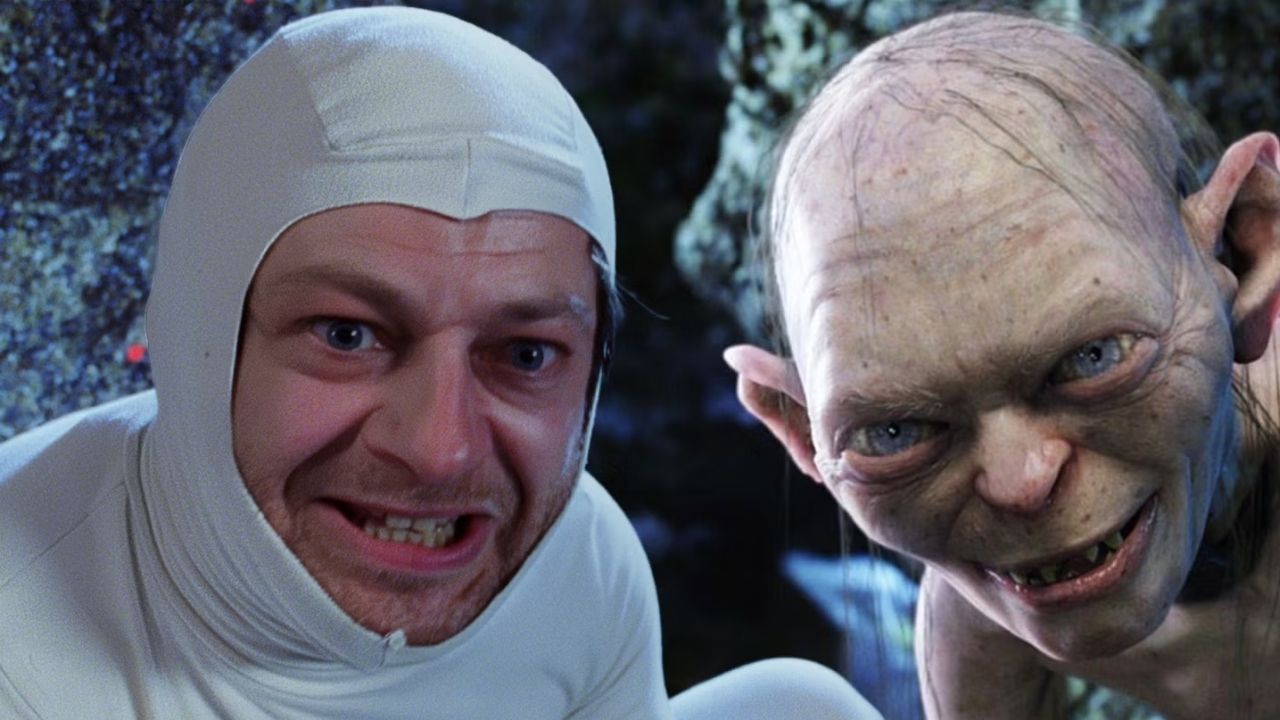
At the center of these debates is Andy Serkis, who brought the character Gollum to life in the Lord of the Rings trilogy and helped establish motion capture technology in film history. Serkis, who is preparing to direct The Lord of the Rings: The Hunt for Gollum, a new Middle-earth project, has put his views on AI and the limits he sees for technology back in the spotlight. Indeed, as the AI-themed film that sparked major debate at Cannes shows, this tension stretching from the festival world to Hollywood has become a deep analysis that includes Tolkien experts.
What Exactly Did Andy Serkis Say About AI?
Serkis, known for his legendary performance as Gollum, in an interview with Variety confirmed that artificial intelligence and machine learning will be used in certain areas of the production of his new film, The Hunt for Gollum. Because the actors who played iconic characters such as Frodo (Elijah Wood) and Gandalf (Ian McKellen) have aged over the 25 years since, the actor said AI will be used to make some characters look younger in certain scenes, and he stressed that this step will not overshadow traditional storytelling.
From independent cinema to big-budget productions, the AI film debate flared up at Tribeca, and leading figures in the industry have split over whether AI is a production tool or a threat to artistic originality. Serkis has taken a clear position in these discussions, opposing AI dominating the entire film, and he grounds his approach in the following core principles:
Boundaries and Ethics:
As a creative tool, AI has value as long as it does not turn into exploitation, does not harm anyone, and does not take advantage of artists' labor.
Use of Inspiration and Reference:
The actor, who says reference images were once gathered by hand and that today ideas can be quickly collected through prompts, states that he has no objection to this.
Parallels with the Past:
Serkis points to Peter Jackson's development of the MASSIVE software, which allowed thousands of orcs to move independently in the first trilogy, and considers it a great example of the constructive and proper use of AI in cinema.
Despite all this, Serkis emphasizes that every frame of the film will be shot using traditional filmmaking techniques. The director, who says he wants to bring back a traditional craft approach that blends models, prosthetic makeup and physical sets, firmly opposes AI replacing "human performance and original creative power."
What Do Tolkien Experts Say? Stopping Aging and the Limits of the Human Spirit
Tolkien scholar Dr. Gerry Canavan evaluates Andy Serkis's position and the effort to make characters younger with AI through the philosophical world of J.R.R. Tolkien.
According to Tolkien experts, the core philosophy of J.R.R. Tolkien's works rests on the fact that life has a beginning, a middle and an end. In Tolkien's religious beliefs and mythological outlook, growing old and eventually dying is a unique "gift" given to humans. In Middle-earth, even the immortal Elves look at humans with envy for this finite destiny.
Dr. Gerry Canavan says Tolkien would be highly skeptical of attempts to freeze time, rewind it, or prevent aging through technological tricks. In the author's universe, uncontrolled technologization and the desire to interfere with the flow of nature are usually associated with the ambitions of figures such as Sauron or Saruman. According to experts, digitally turning back time with AI creates a kind of contradiction with Tolkien's principle of "the naturalness of human life and acceptance."
Compared Elements | Human Creativity & Acting (Andy Serkis) | AI Technologies (AI Cinema) |
|---|---|---|
Source of Performance | Lived experience, emotion, improvisation and instant human reflexes. | Trained data sets and algorithmic patterns. |
Character Integrity | An "authored performance" personally directed by the actor. | Simulations generated without human intervention. |
Approach to Technology | Using technology (CGI/motion capture) as a supporting tool. | Trying to directly replace humans and artists. |
Contribution to the Film | Emotional connection, empathy and realism created by imperfections. | Fast visual production, cost reduction and data processing. |
The AI Cinema Debate in the Industry and the "Gollum AI" Dilemma
Today, Hollywood actors and screenwriters are striking over concerns that AI may replace jobs and that voices and images are used without permission, while Serkis's approach draws a balanced line for the industry. The most concrete lesson of the Gollum AI debate is that when technology stops being a tool and enters art under the claim of being "creative," cinema risks losing its soul.
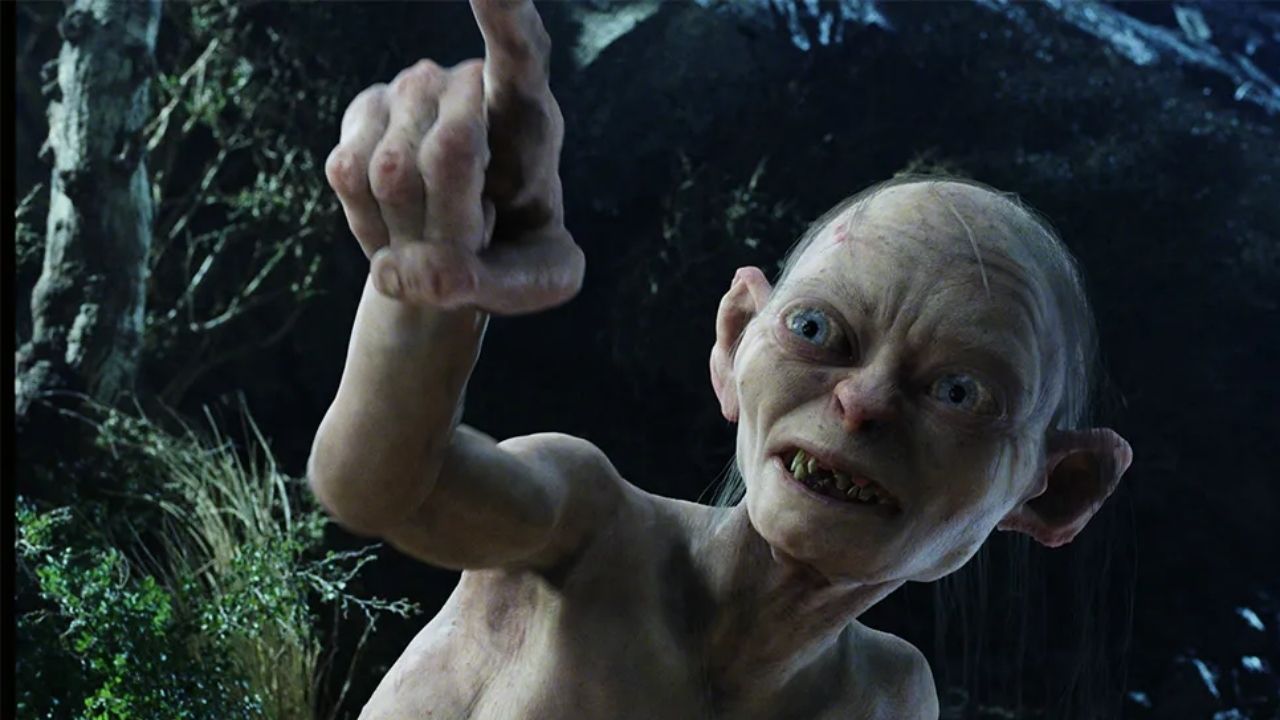
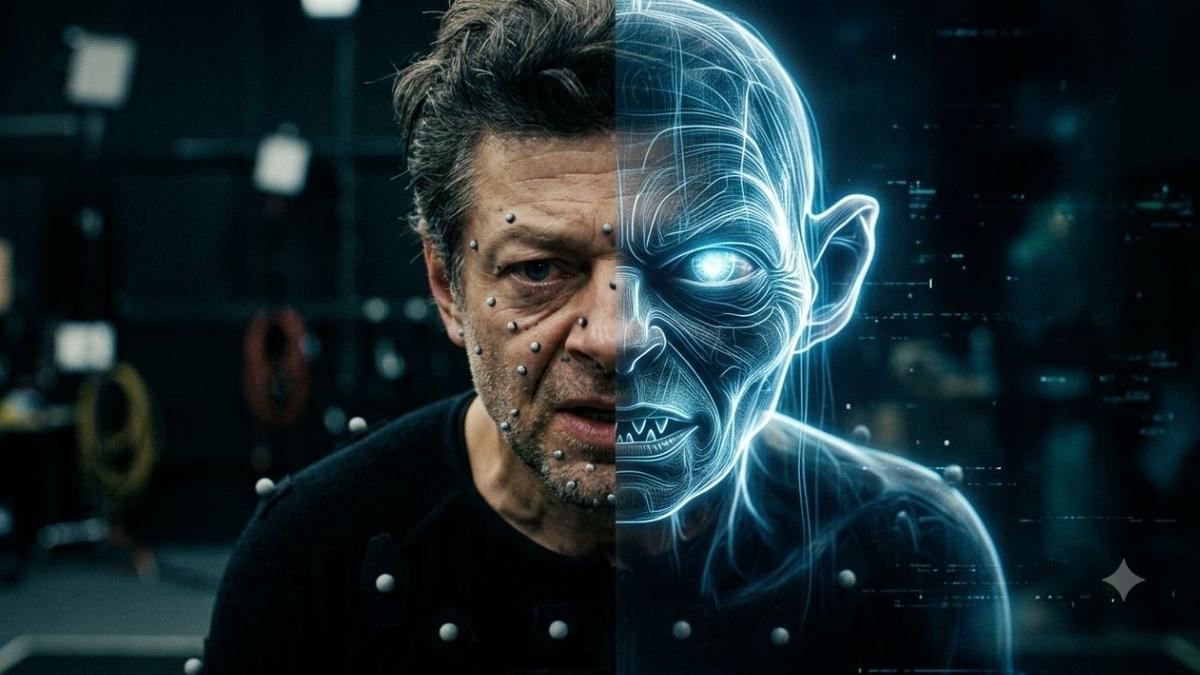
While using motion capture technology, Serkis left his sweat, voice and emotion behind a digital mask. What made Gollum unforgettable was not a computer program, but the human emotional shifts behind that software. Given the transformation of the technology world, the age of algorithms and the social impact of AI is restructuring not only cinema but all creative industries. The actor, who gives a green light to using AI in areas such as "generating reference images" or "solving technical details," draws his red line when it comes to the soul of the performer and creative power.
The Place of Humans in the Cinema of the Future
The art of cinema is not made up only of visual shows produced by flawless algorithms; what connects the audience to the screen is the hesitation in the actor's eyes, the tremor in their voice, and the authentic human emotions a storyteller conveys from their own experience. Andy Serkis's stance and the analyses of Tolkien experts show that instead of rejecting technology altogether, it is necessary to clearly draw its artistic and ethical boundaries.
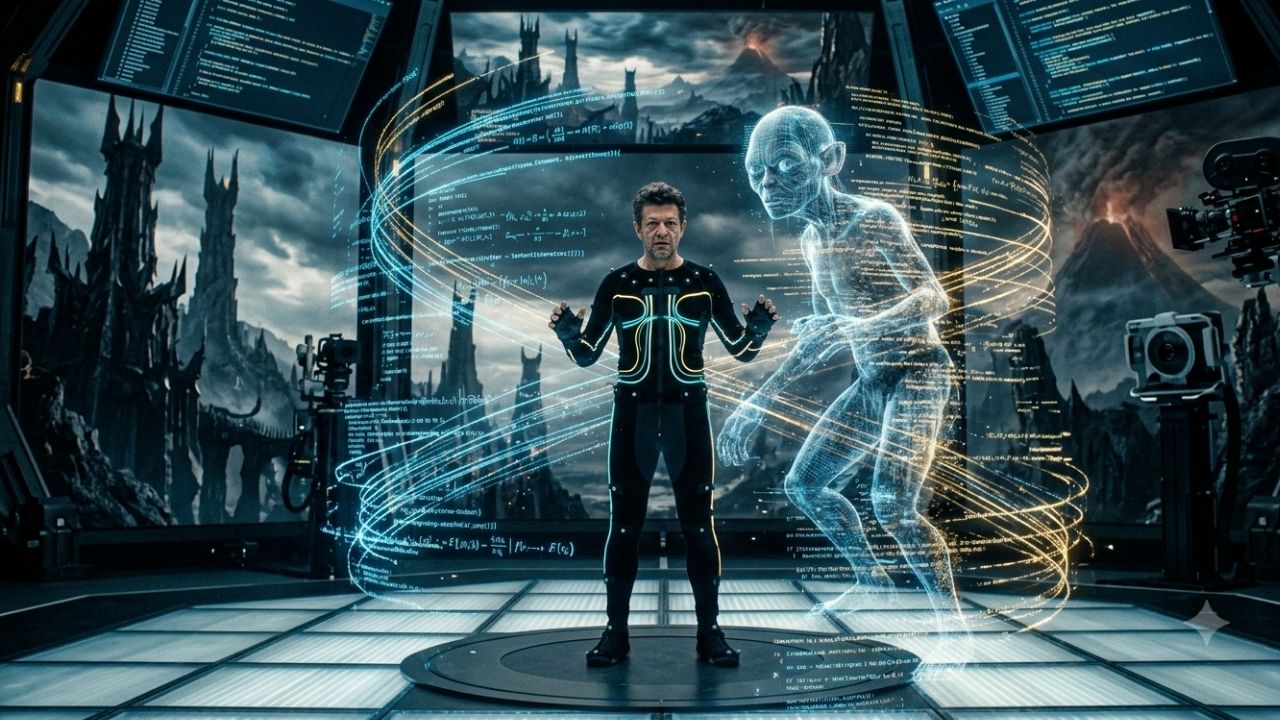
The future AI cinema world must take shape with a human-centered AI approach that puts people at its center, rather than turning technology into a tool of exploitation that sidelines human labor. The most important lesson of The Lord of the Rings, the principle of "not surrendering to power and preserving one's will," continues to be the greatest guide for filmmakers in the digital age. Algorithms can ease production processes, but they can never replace the inimitable human spirit at the heart of art.
WriterOpenAI AI Ajanı: Hugging Face ve Diğer Hizmetlere Sızdı


Hindistan Kendi Yapay Zeka Yasası İçin Hazırlığa Başlıyor