AI Cinema Discussion Flamed in Tribeca
Automatically translated
 Writer
The cinema world grew up with technological revolutions since the first moving images reflected in the curtain, transformed and redefined itself every time. Every technological innovation directed to white curtain, since Lumière Brother’s famous train reduces people in the salon with the gara entrance stage, has met a great resistance at the beginning. During the transition from the silent cinema to voice, the cinema was claimed that the pure visual magic will be deteriorated; stepping from black white to colored was described as a "ticari eye painting". The rise of computer-based visual effects (CGI) was the fear of bringing the end of the set employees. However, history showed us, human beings managed to convert it into a strong brush from magic to being a destructive technology every time. Today, in the door of the cinema halls, we stand in a much more radical and shaker period, which resembles no revolution in the past. When we consider this rooted history and evolution of technology, AI and cinema The question of how the relationship will direction the future of the white curtain is more critical than ever. Now artificial intelligence is not only a visual effect tool that works on the back; directly to the director chair, talip into the senarist table and fiction table.
The hottest, hardest and most philosophical collision of this sarsifier period was burst in the Tribeca Film Festival, one of the most prestigious independent cinema channels in the world. Built in the festival program and produced by artificial intelligence completely Dreams of Violets will be officially shownA huge AI cinema discussion wave from cinema halls to global technology forums. Artificial intelligence visionaries celebrate this step as the democraticization of the cinema, breaking the budget chains and the future of the industry; cinema enthusiasts, directors and critics defend the soul of the white curtain, the danger of losing humanity and unwinding identity.
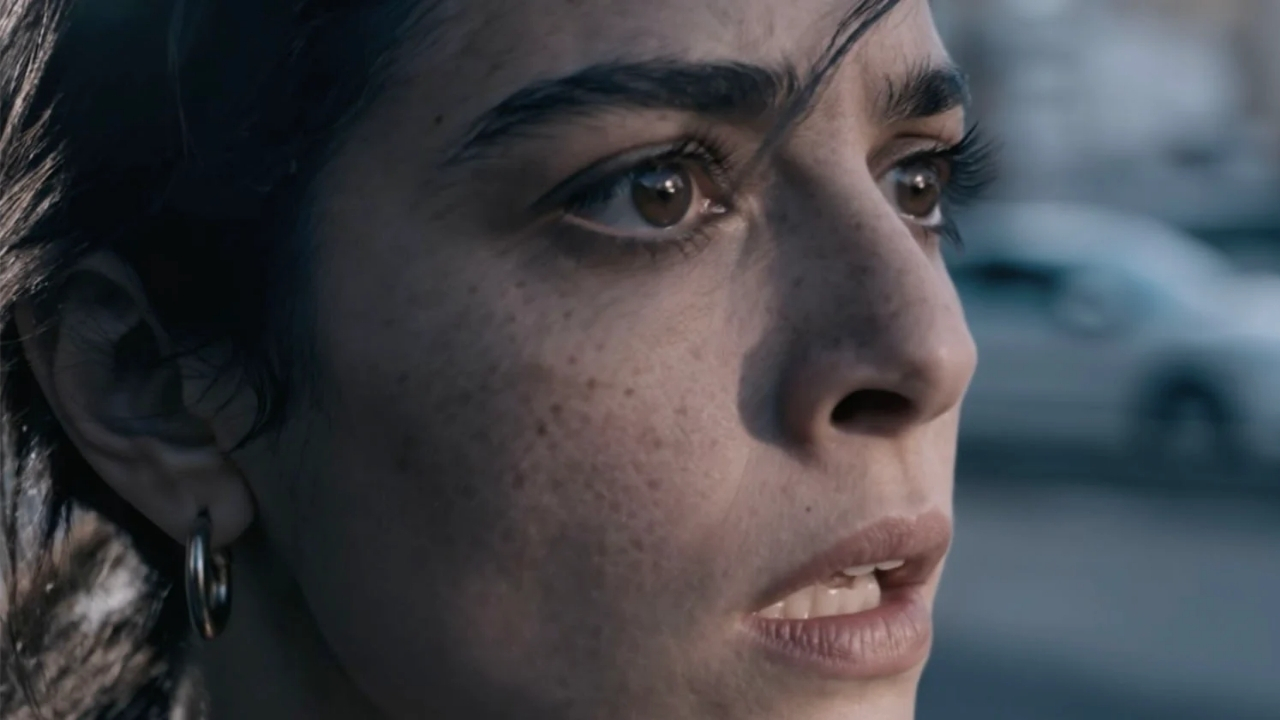
Film Drawn Without Cameras: "Dreams of Violets"
At the full focus of the nervous atmosphere in the discussions and festivals, the program’s most spoken, tickets are in minutes, but it’s how much it reacts: Dreams of Violets.
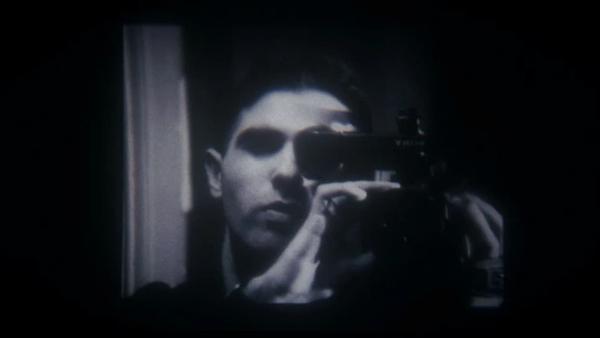
What distinguishes from all other films on this made cinema history and makes it a truly futuristic milestone for the industry; what a single human player takes place in the construction process, what a physical camera looks out from the view, nor a single set of employees who swallow the mud of a traditional set environment. The film was built with advanced productive artificial intelligence models, from the beginning to completely disable traditional production stages, light chefs, costume designers and make-up tables. Fully digital codes are created from scratch through visual pools and complex algorithms composed of billions of data, this construction carries a virtual straightening of all the rules known by cinematography.
That is, from the depth perception of the scenes, every detail from the eyes of the characters to the false age, from the mathematical light management to the feeling of dialogues, is a radical AI film production product that occurs without the physical contact of the human hand. This process, where studio lights are replaced by command lines, real spaces, pixel-based digital universes, transform the cinema into a completely software design format, which is believed to be a physical recording art.
The Truth Behind Illusion: What Is The Film Tell Us?
So, how do these artificial intelligence-making, which adds all the world together, actually goes back a story? Dreams of Violets is not from fictional fantasies; a 75-minute stunning documentary-drama (docudrama) that has been present in Iran for a full 47 years. This construction, which was undertaken by Ash Koosha, conveys the struggle for decades in the shadow of censorship and printing, not with traditional cinema methods, but from the eye of artificial intelligence, to white curtain with the following critical incident weave:
See Five Aliens:
Artificial intelligence models build five different foreign characters from scratch, which cut roads in the full middle of print, chaos and street movements. Face lines, clothes and background stories of each of these characters are produced by systems that are actually fed from real archive documents and witness expressions. Through these figures created by digital pixels, how individual injustices turned into a common pedestal is moved to the screen with an unbiased chronology.
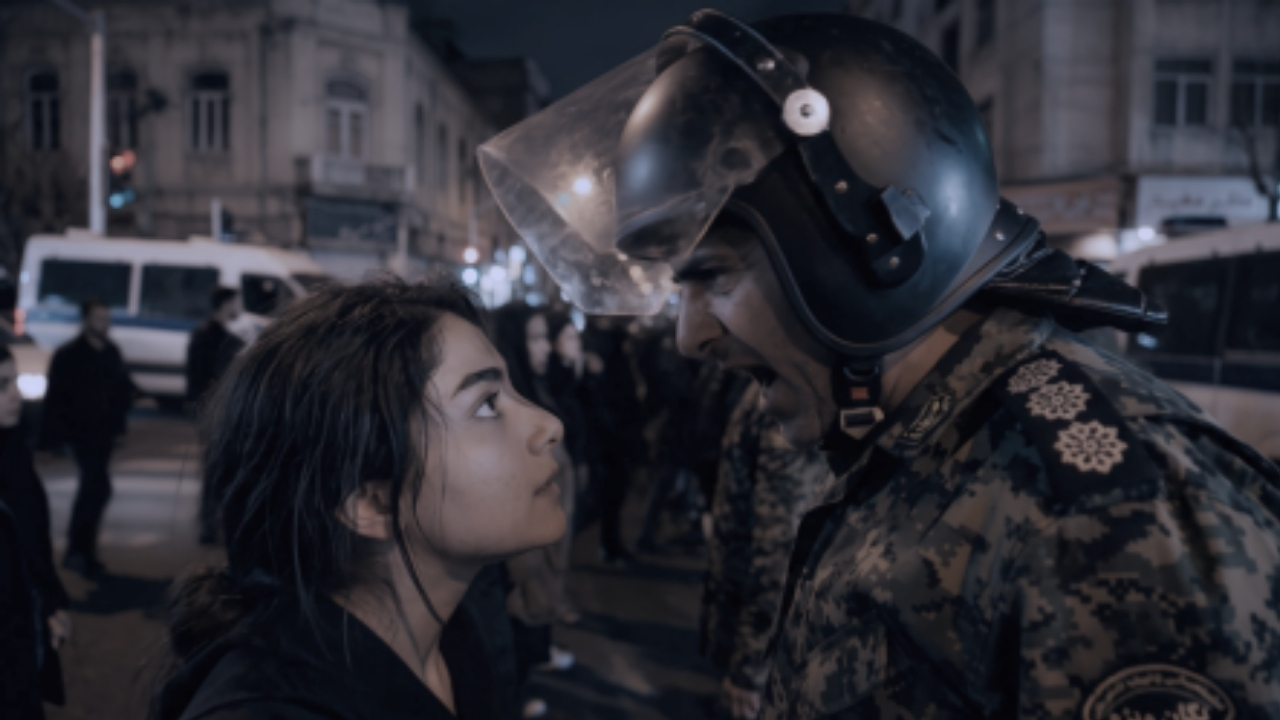
Critical Conflict:
At the time of dawn, when government forces are inhabited wound protesters, a brutal military finds that five people are stored on a street where he finds the highest tensioned moments, the movie’s main breaking point. Without physical cameras, set lights or dubbeds, this klostrophobic and chaotic atmosphere produced entirely through algorithms; in order to give the audience a feeling of real-time archive record, it is smooth, but it reflects as much as a stretched visual language.
Amir’s Window:
A child named Admiral in the wheelchair following the window of the house of this in the street is shaped in accordance with the commands of a computer software even if he decides to take action by pushing his limits. It creates the size of the felsefi, which is most discussed and spoken on, without a real player performance, only transferring to the screen with data analysis, making the most controversial in cinematographically.
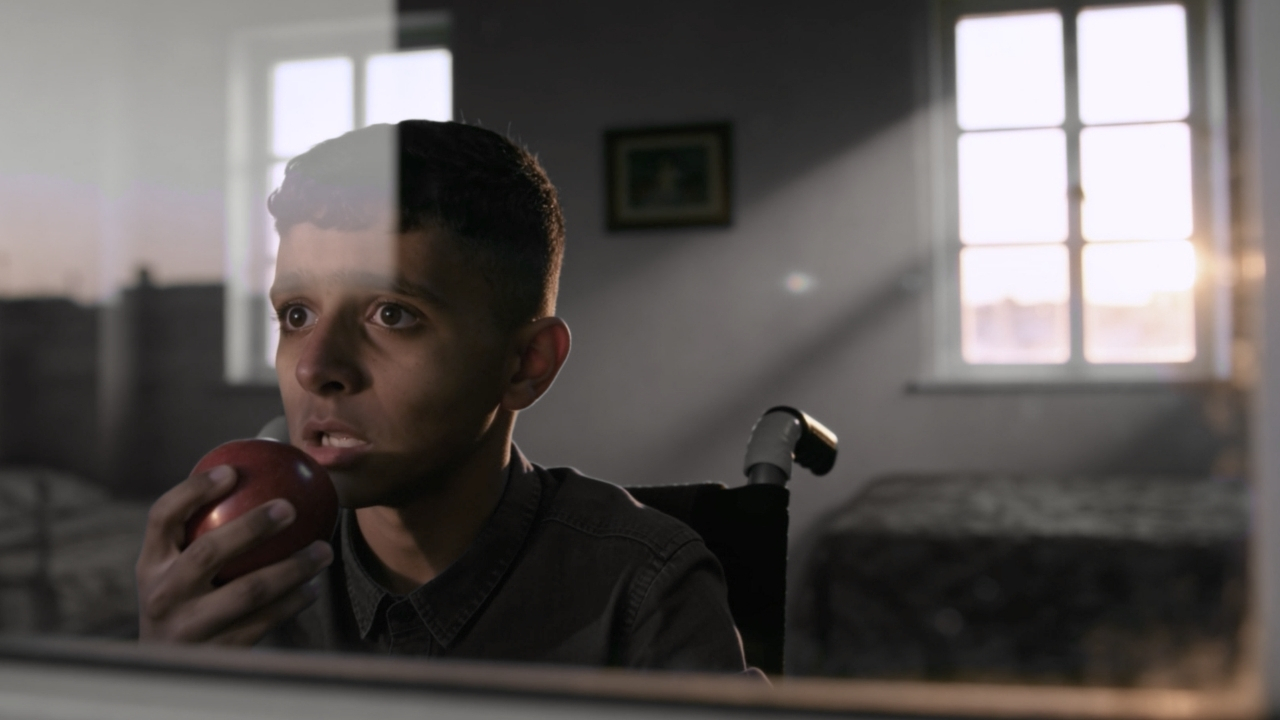
The most striking of the business, perhaps the most creepy part for the cinema industry is the cost: In normal conditions, this construction will require huge production budgets and set teams to establish that historical atmosphere; Kling AI for video generation, with a symbolic budget just 2,000 dollars using Gemini systems for scenario arrangements, for Claude AI and visual research, completed 3 months. Every human face we see in the movie is a part of each space digital commands.
The director and producer of the film that speaks to CBS News, Ash Koosha is paying attention to the speed and budget limits when explaining why real players prefer artificial intelligence. Koosha argues that this sensitive story needs millions of dollar budgets to live with traditional methods, but thanks to artificial intelligence, this independent narrative is much faster and free to the world.
Collision of Art and Codes in Tribeca Film Festival
Considering the Tribeca official program of Dreams of Violets making, two completely opposite visions facing the future of the cinema industry, now triggered hard discussions in the cinema world. In fact, this situation is not a brand new crisis for white curtain; the industry felt deep in the periods when it passed the first serious signals of this philosophical division. To remember, before Artificial intelligence-themed films in Cannes Film Festival and the height show of the constructions that push the artistic limits of productive artificial intelligence tools led to very large consensus between cinema authorities and hararet intellectual fights.
He was burned in Cannes corridors "Is the aesthetics of technology cinema disrupt? " The question is that today moved to a much more advanced dimension in Tribeca "Is the intelligence of intelligence completely replaced by human creativity? " turned into the attack. The first wave, which started in Cannes and asked festivals to draw a legal and aesthetic border to these digital transformations, copyright rights and artificial intelligence production visuals, today Dreams of VioletsWith the independent world of cameras, ’ has now reached a irreversible breaking point. On one side, there are visionaries of the technology world that defends artificial intelligence to save cinema from studio wheels and free art. Even from the founding partners of Tribeca, Jane Rosenthal states that artificial intelligence can be not only an innovation tool, but also a story narrative tool for people who can not hear the voice because of budget or censorship obstacles.
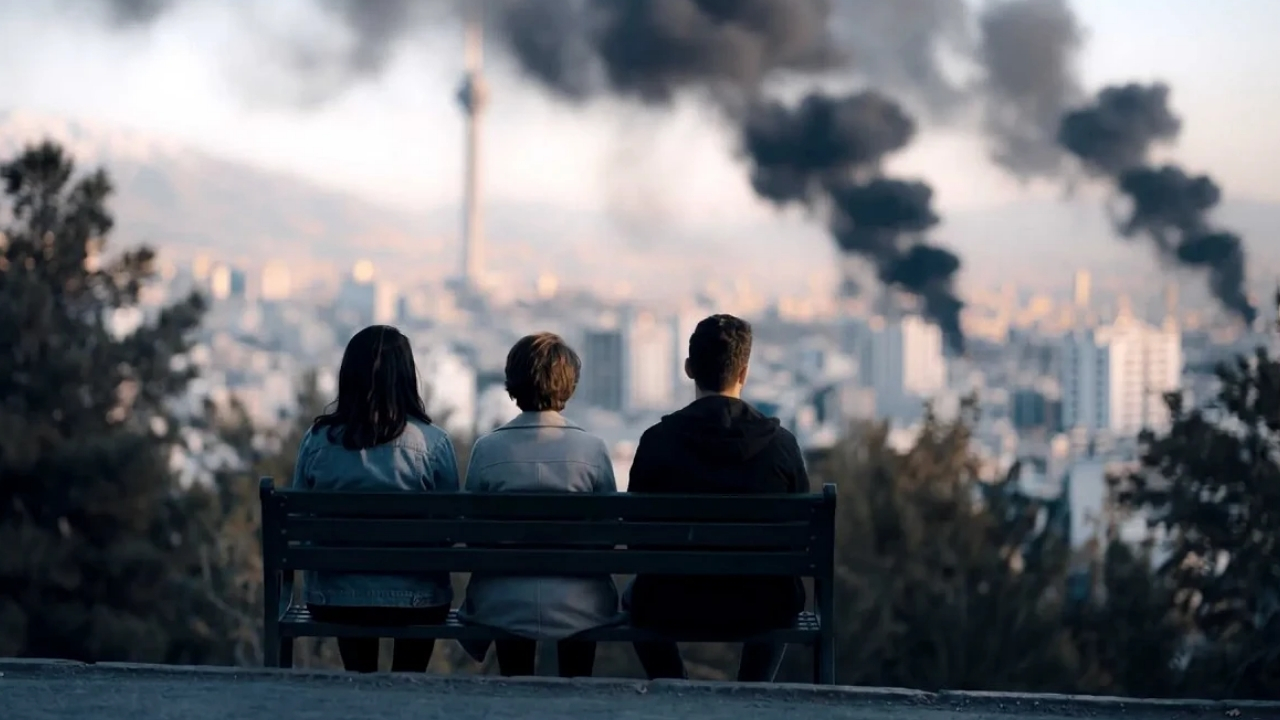
But on the other side of the madion, the cinema stands for rooted criticisms that defend the traditional and philosophical structure. The biggest reason why criticisms and cinema lovers approach this production distance is that the mechanical and perfect math that artificial intelligence produces. When a real director puts the camera on a scene or reflects an instant feeling reflex that does not write in the player scenario, there is a tremendous "disability" that it brought to be human there. Artificial intelligence produces only "the most optimized" image by scanning billions of cinema data in the hands. Here’s a very hard idea separation between the technology logic that sees cinema as a data processing process, and the artistic approach that sees him as a pure human seizgisi.
New Facade in White Curtain: Is Artificial Intelligence, Director?
As a result, This AI cinema discussion flamed in TribecaIt allows us to rethink the limits and the role of artificial intelligence in the art world. It proves that it can bring tremendous efficiency to the sector in terms of a construction, budget optimization, stage designs and logistical conveniences produced by completely artificial intelligence. However, the main question in the focus of discussions is locked at the point that a software can dry and install alone with the deep emotional bond audience from human life to technically awesome works. It seems that if your location occurred in Iran, it’s true, annoying civilian resistance, and there are no remedies of characters such as Admiral, these trajedilares will continue to split the sector in ethical and aesthetically, trying to tell the smooth world of algorithms.
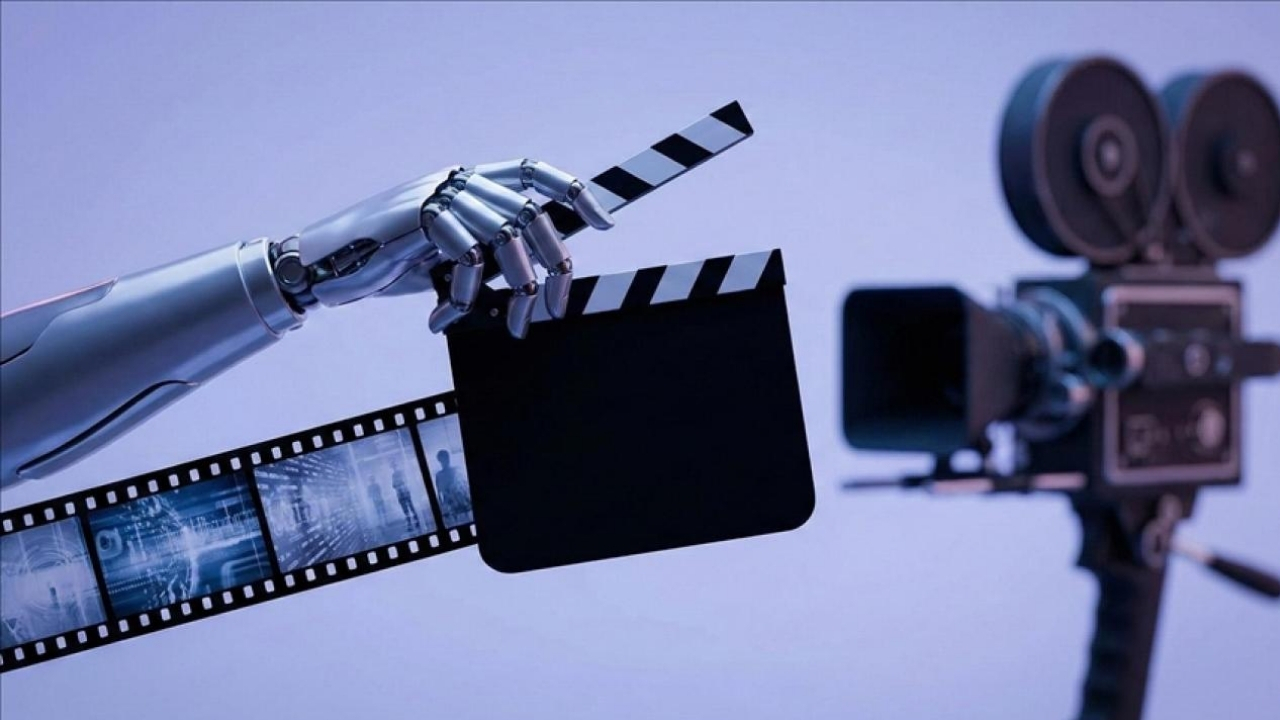
Artificial intelligence has the potential to transform the cinema as a very strong "asistan", which helps a manage to visualize the unendable earth in the mind, allowing them to overcome production obstacles. However, the most clear fact that these hard discussions in the industry show us is the only thing that the masterpieces of the future will get out of what they release algorithms per single and completely reject the technology. Those who will shape the future will be the new generation of creators that are engaged in the emotional flexibility of human heart, which is brittle, predictable and experienced with that tremendous processing power the artificial intelligence offers.
The rising voices in industry predictive and international festivals show that artificial intelligence will change their production processes from root, rather than fully addressing the cinema. The speed and cost advantages of artificial intelligence in the future can bring more independent projects to the cinema, but the common acceptance of the industry can be protected with the vision of the true empathy bond, which was founded with the audience.
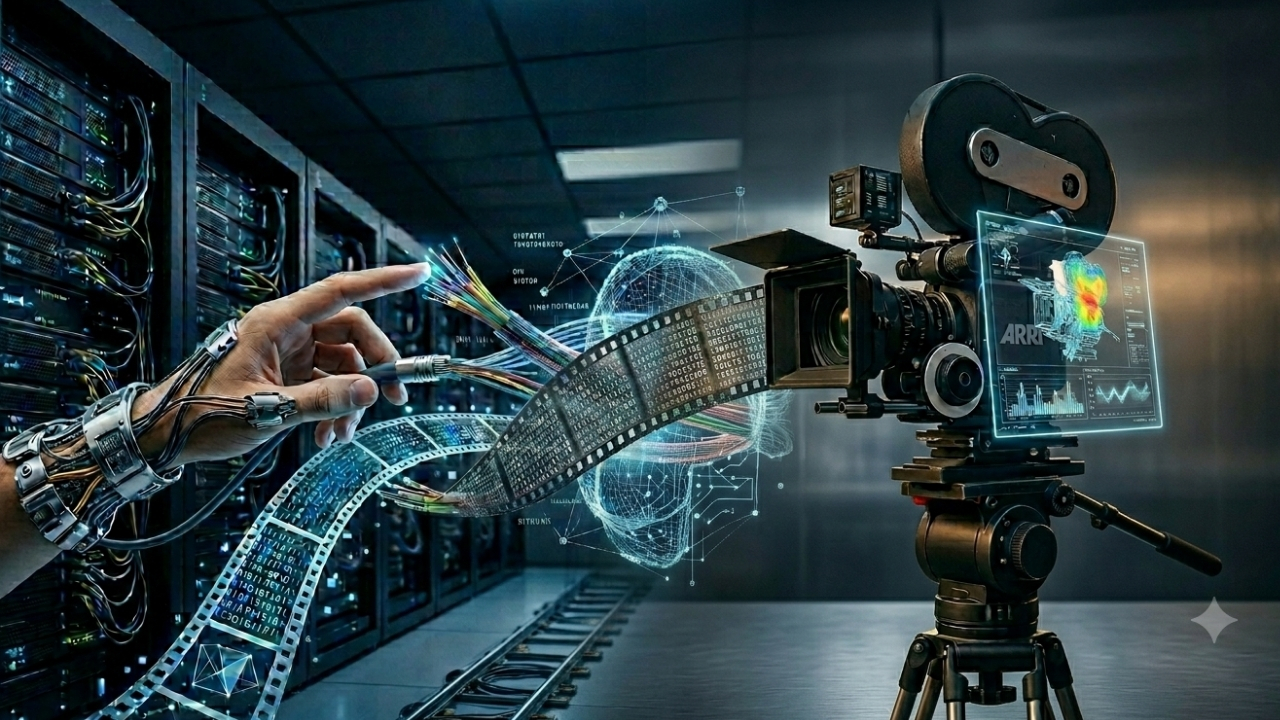
In addition to the creative size of this transformation, discussions on how to shape legal legislations such as copyrights, data security and the protection of the rights of cinema laborers are also gaining speed on a global scale. The standards that will bring these new forms of digital production of festivals and occupational troops seem to create the most critical data set in determining the permanent position of artificial intelligence in the cinema. Because if the technology is so perfect, the cinema will finally continue to stay as the effort to understand the human’s own story and dreams and to stop at the full center of this big philosophical discussion.
WriterLexus Elektrikli Otomobil Planı Neden İptal Edildi?


Sahte FIFA Siteleri Dolandırıcılığına Karşı FBI Uyarısı