




What Is an AI Agent? How Does It Work?
Automatically translated
 Writer
Artificial intelligence agents, also known as AI agents, can be used to perform specific tasks by combining AI models with tools, APIs, data sources, memory, and various rules. They can be particularly useful in multi-stage processes such as software development, customer service, research, data analysis, and enterprise workflows. While OpenAI defines agents as systems capable of independently performing tasks on behalf of users, Google Cloud also highlights their ability to reason toward goals, use tools, and take action.
What Is an AI Agent?
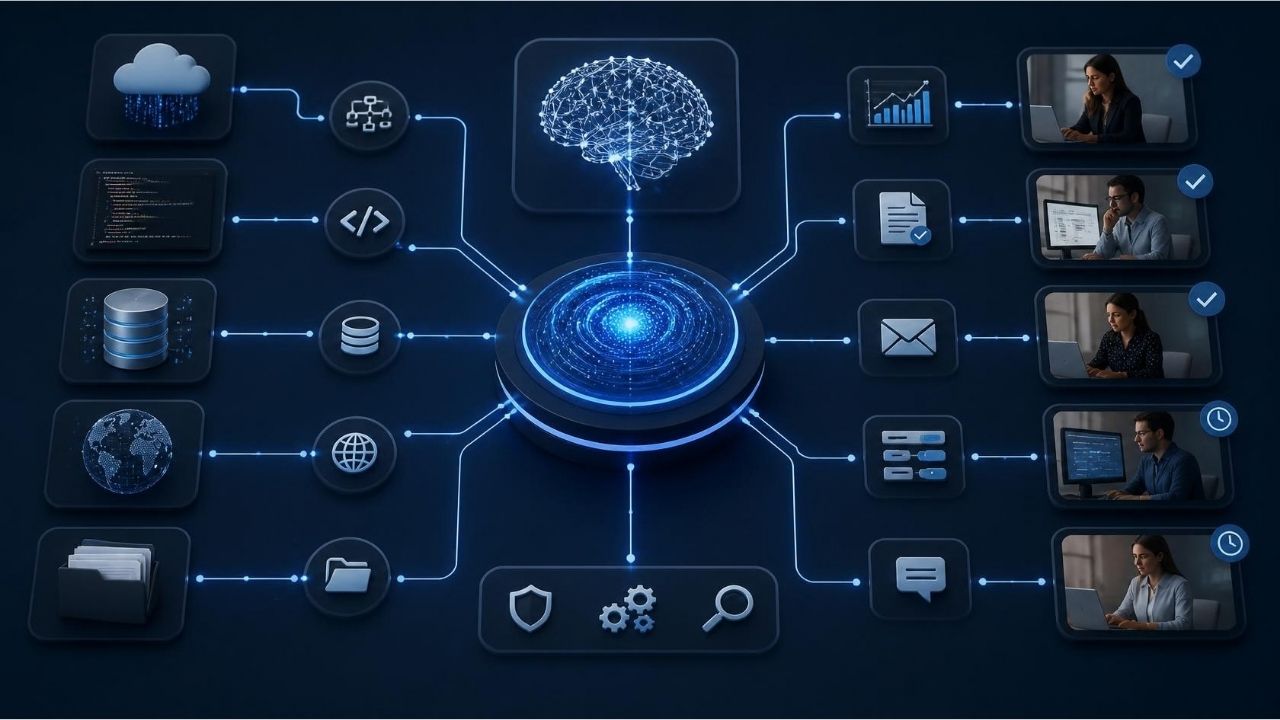
An AI agent is a software system that uses an artificial intelligence model to achieve a given goal and can perform multiple operations by using external tools when necessary.
In a traditional AI application, the user asks a question and the system generates an answer. With an AI agent, however, the process can work differently. The agent analyzes the assigned task, identifies the information it needs, selects appropriate tools, performs operations, and decides on its next step based on the results it obtains.
OpenAI highlights two key characteristics when determining whether a system qualifies as an agent: using an AI model to manage workflow execution and decisions, and having access to tools to interact with external systems.
For example, an AI agent used in a company's customer support system may do more than simply answer a customer's question. It can review customer records, check order information, evaluate company policies, and perform an operation within its authorized permissions.
Therefore, rather than viewing AI agents simply as "more advanced chatbots," it is more accurate to think of them as systems that combine artificial intelligence and software tools to accomplish specific goals.
What Is an AI Agent?
AI agent is the English equivalent of the Turkish term for an artificial intelligence agent. AI agent systems go beyond simply generating content with an AI model by enabling it to use tools and perform specific actions.
For example, an AI agent can search a database, retrieve information from an API, examine files, conduct web research, write code and run tests, create records in a CRM system, or request assistance from another agent when necessary.
However, being an AI agent does not necessarily mean that a system operates completely independently. The level of autonomy an agent has depends on the permissions granted by its developer, the tools it uses, and the system's design.
How Does an AI Agent Work?

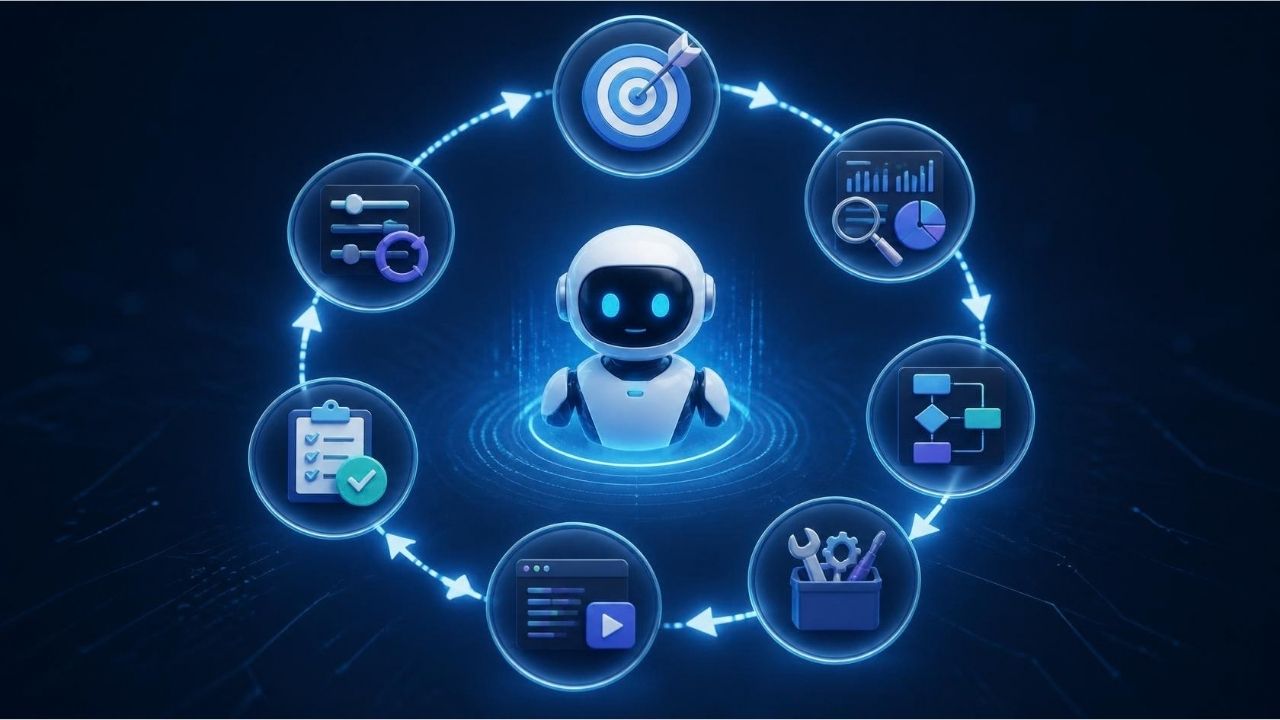
The way AI agents work can vary depending on the architecture being used. However, the basic process generally revolves around understanding a goal, gathering the necessary information, planning, using tools, and evaluating results. A simplified AI agent workflow can be represented as follows:
Goal → Analysis → Planning → Tool Usage → Result Evaluation → Next Step → Task Completion
This structure is one of the key points that distinguishes agents from traditional automation systems. Google Cloud addresses this structure through components such as models, tools, memory, orchestration, and runtime environments.
How Does an AI Agent Plan a Task?
When a user gives an agent a goal, the system first attempts to understand the task.
For example:
"Analyze our company's sales data from the last three months and prepare a report that can be presented to management."
Let's consider a task like this.
The agent may perform the following steps:
Identify where the sales data is stored.
Access the relevant data source.
Examine the data.
Perform the necessary calculations.
Identify unusual changes.
Organize the findings.
Generate a report.
It may not be necessary for the user to define each of these steps individually. Depending on how the agent operates, the model can dynamically determine the steps required to complete the task.
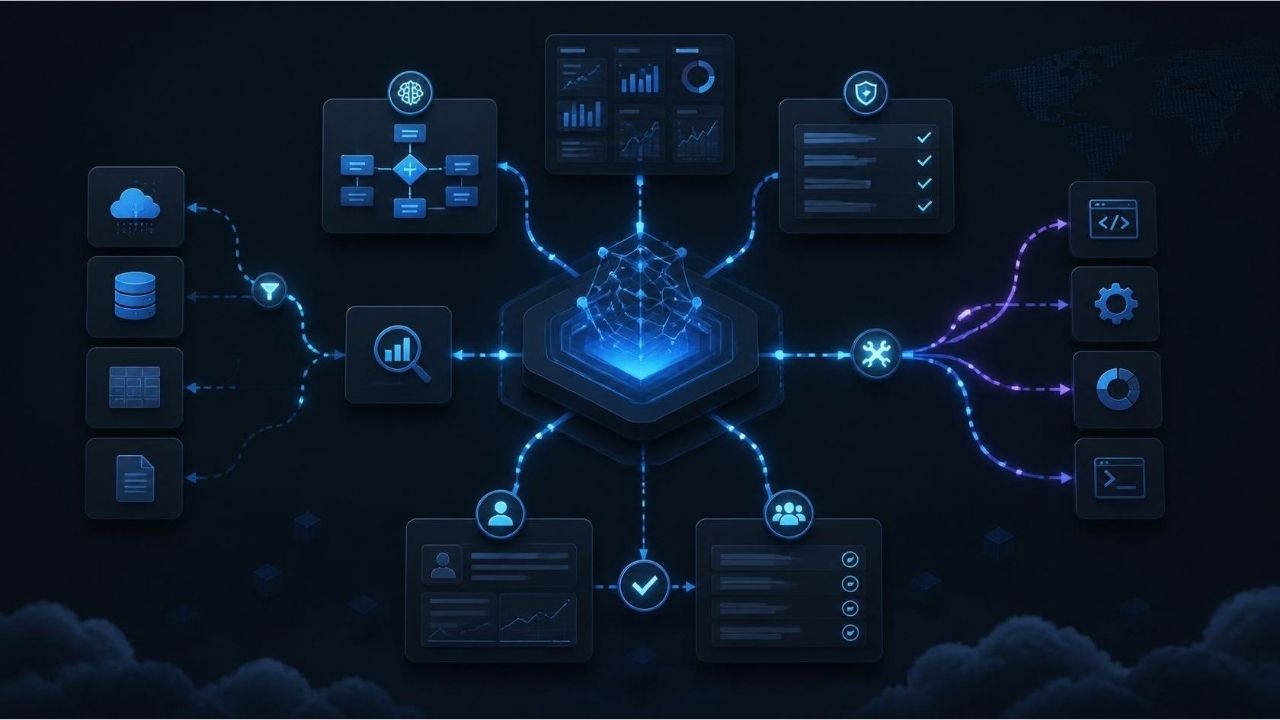
Example of an Agent Task
For example, when a customer asks:
"Why hasn't my order been shipped yet?"
the agent may perform the following operations:
Find customer information → Identify the order number → Query the order system → Check the shipping status → Explain the result to the customer
Here, AI is not simply generating text. It is attempting to complete a task by retrieving information from different systems.
Core Components of AI Agents
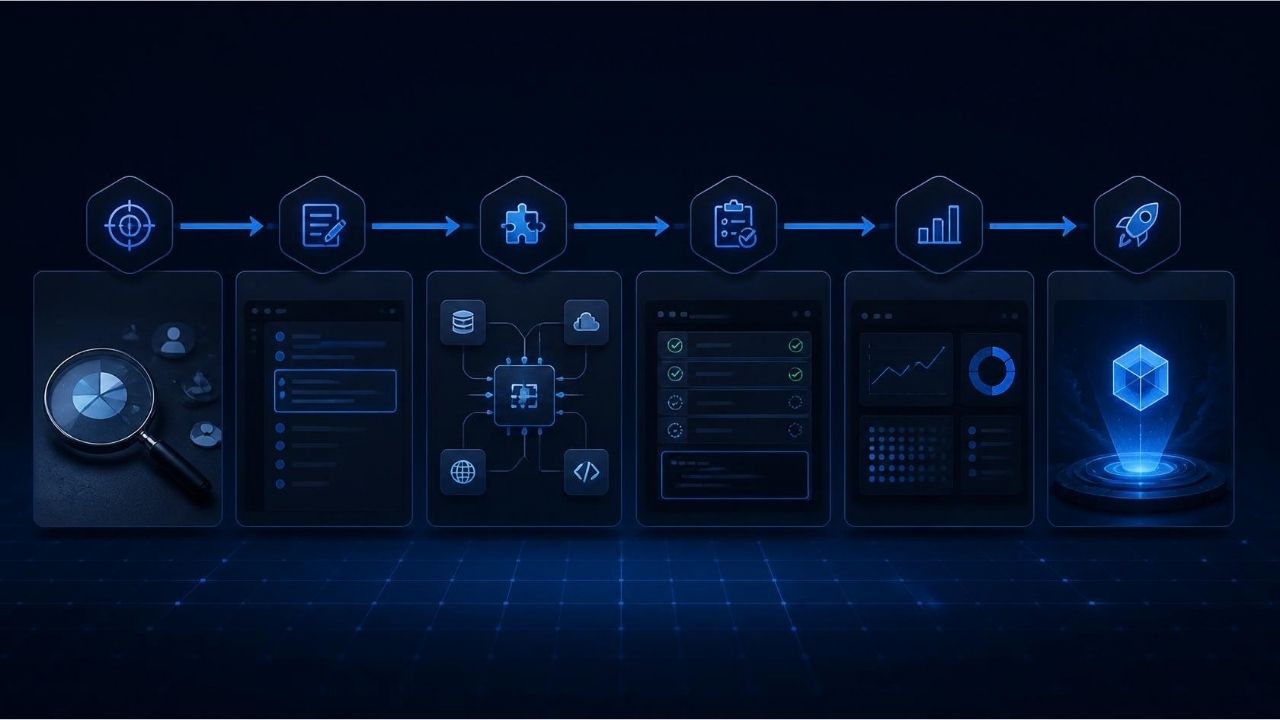
Although the architecture of an AI agent system varies depending on the technology used, several core components stand out. Microsoft's agent architecture documentation identifies the client, infrastructure, orchestrator, language model, and tool-calling capabilities as fundamental architectural components.
AI Model
The model is at the heart of an agent's decision-making and natural language understanding mechanisms. Large language models can be used to understand user instructions, evaluate the current situation, select tools, and interpret results.
However, the same model does not need to be used for every task. Different models can be selected depending on factors such as task complexity, cost, and response time. OpenAI also recommends considering the balance between task complexity, latency, and cost when selecting a model.
Tools and APIs
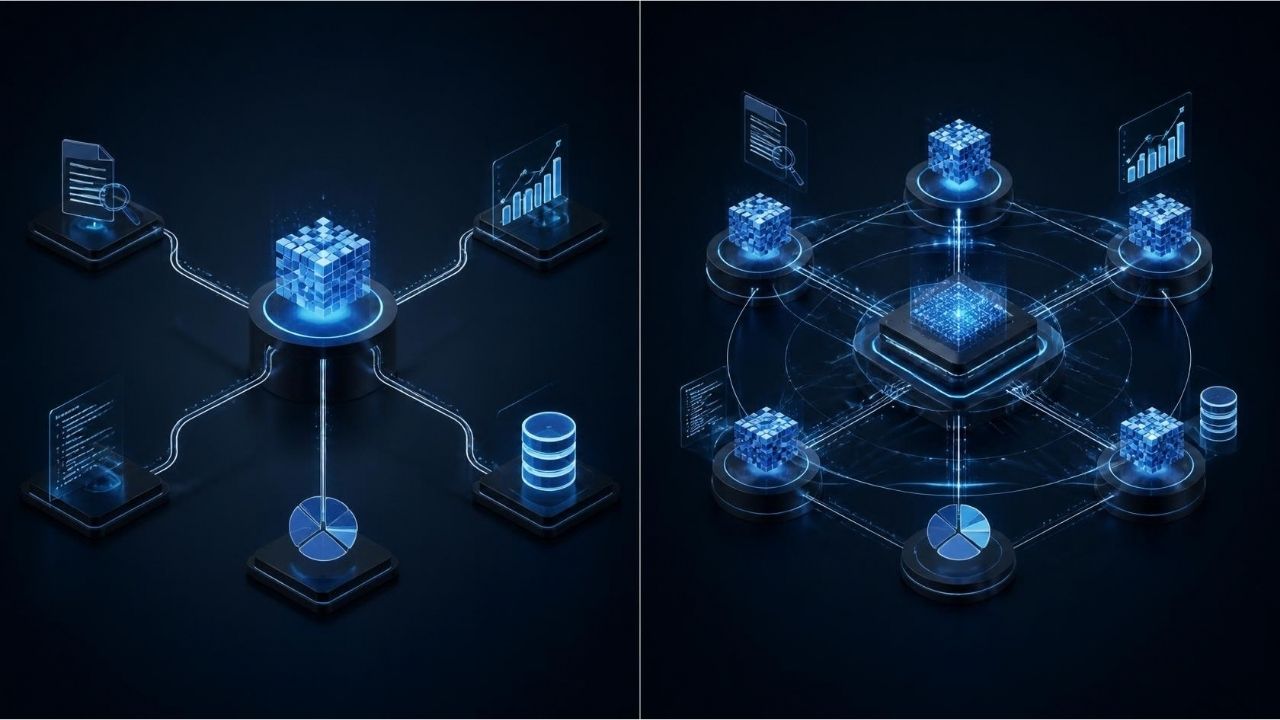
Tools enable agents to communicate with external systems. For an enterprise agent, tools can connect to systems such as CRM, ERP, databases, email, calendar, file systems, web search, and internal knowledge bases. The operations an agent can perform largely depend on the capabilities provided by these tools.
Memory
Memory can enable an agent to retain necessary information during a task or across different interactions. For example, a customer service agent can temporarily use information from the current conversation. In more advanced systems, specific user or process information can be stored for longer periods.
Orchestration
Orchestration refers to how an agent manages its different components. Communication between the model, tools, memory, data sources, and other agents can be managed by the orchestration layer.
What Is the Difference Between an AI Agent and a Chatbot?
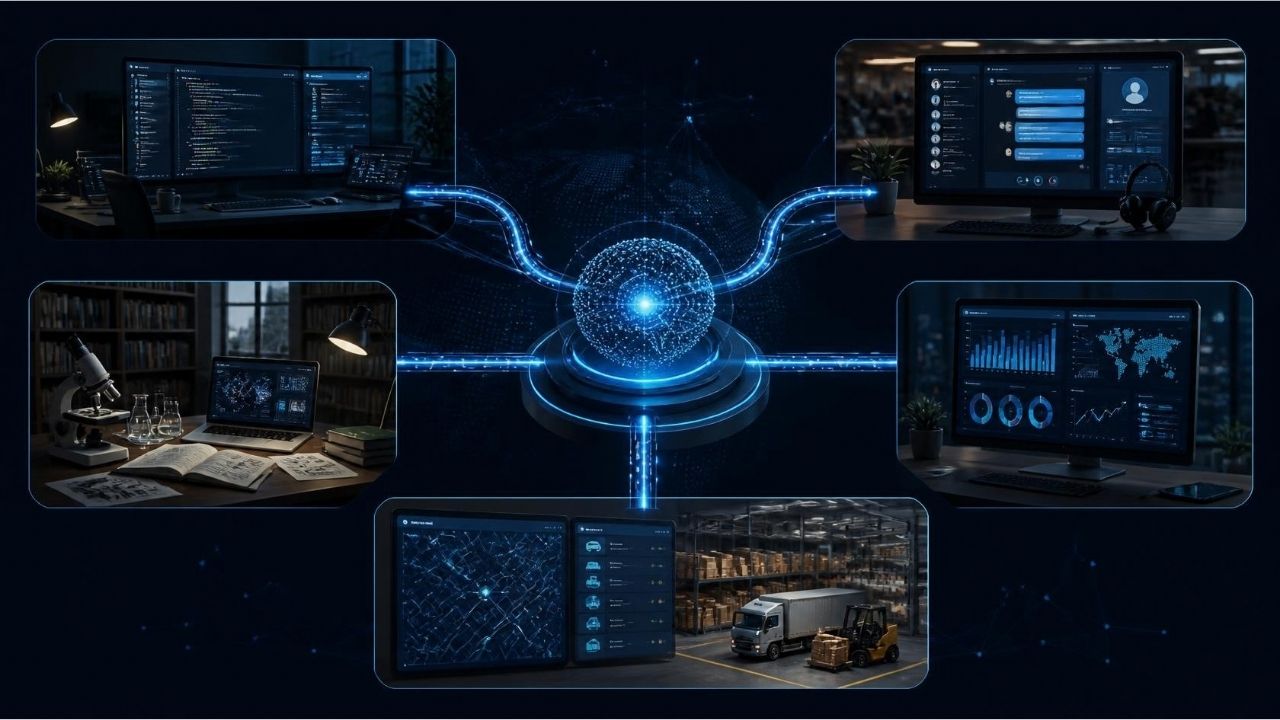
The fundamental difference between a chatbot and an AI agent is not simply whether the system generates responses, but whether it can perform actions toward achieving a goal.
An agent carries out a longer process: User Goal → Planning → Information Gathering → Tool Usage → Action → Result.
For example, a chatbot may be sufficient for a request such as "Summarize this text."
However:
"Review this report, identify important financial changes, compare them with relevant internal company data, and prepare a report that I can send to my manager."
A task like this may require more tools and multiple processing steps.
How Are Agent-Based Systems Used?
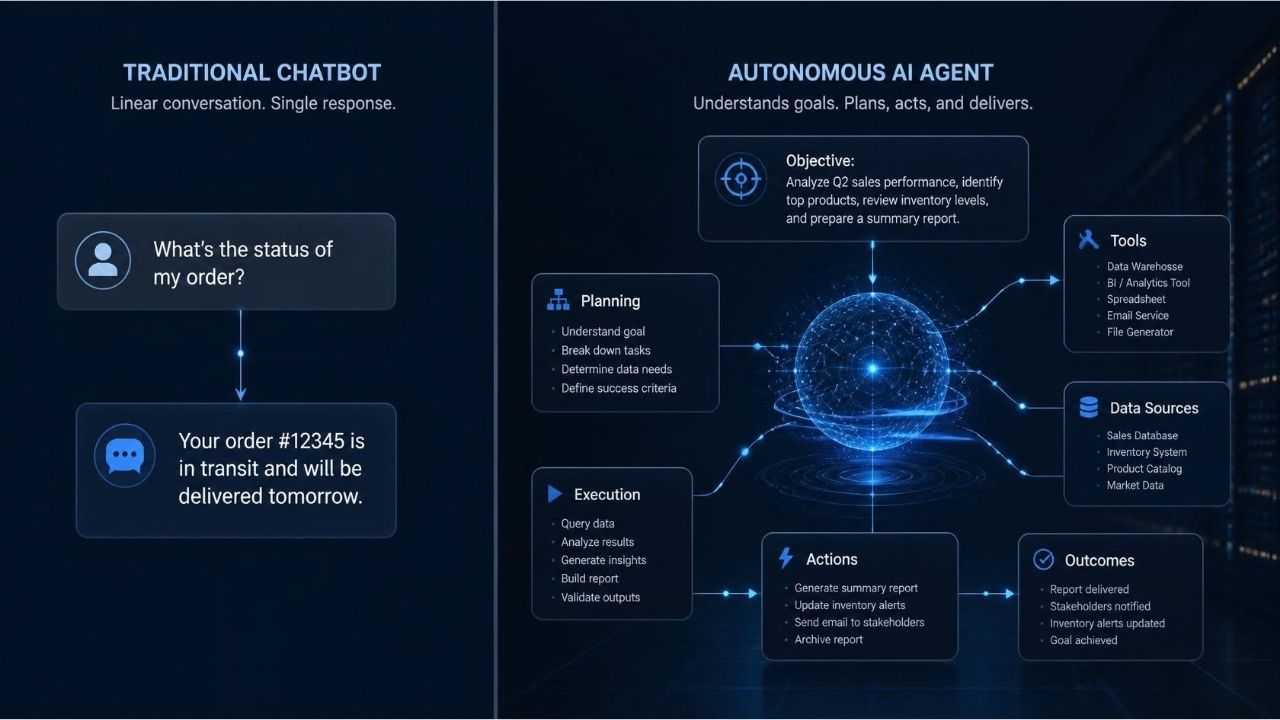
The applications of agent-based systems can vary depending on the tools and permissions assigned to the agent. They can be particularly useful for tasks involving multiple stages and unstructured information.
AI Agents in Software Development
Software development is one of the areas where AI agent usage is gaining prominence. A coding agent can examine a codebase, find relevant files, make code changes, run tests, analyze errors, and implement new changes.
For example, when a developer says, "Find and fix the validation error on the user registration screen," the agent can examine the codebase, identify the files containing the issue, make changes, and run tests. The key difference here is that the agent does not merely generate code; it carries out a multi-step task involving the codebase.
AI Agents in Customer Service
Customer service is another area where agents can be used. A customer service agent can:
Understand the customer's request.
Find the customer's account.
Review order or transaction history.
Check company policies.
Determine an appropriate solution.
Perform the operation if authorized.
Transfer the request to a human representative when necessary.
This approach can be useful, particularly when handling large numbers of similar customer requests that each require different contextual information.
Using AI Agents for Research
Research agents can be used to examine different data sources and formulate answers to questions. For example:
"Research the AI products our competitors have announced recently and compare their common features."
For a task like this, an agent can perform web searches, examine different sources, and compile the information it gathers into a report. However, the results produced by research agents should always undergo source verification, particularly when they are used for critical decisions.
AI Agents in Data Analysis
In data analysis processes, agents can connect to databases or analytical tools. For example, when given a task such as:
"Analyze why sales have declined over the last six months."
the agent can query the necessary data, compare results, and generate a report. An agent's success here depends not only on its natural language capabilities but also on the quality of data sources, access permissions, and the accuracy of the analyses performed.
How to Build an AI Agent
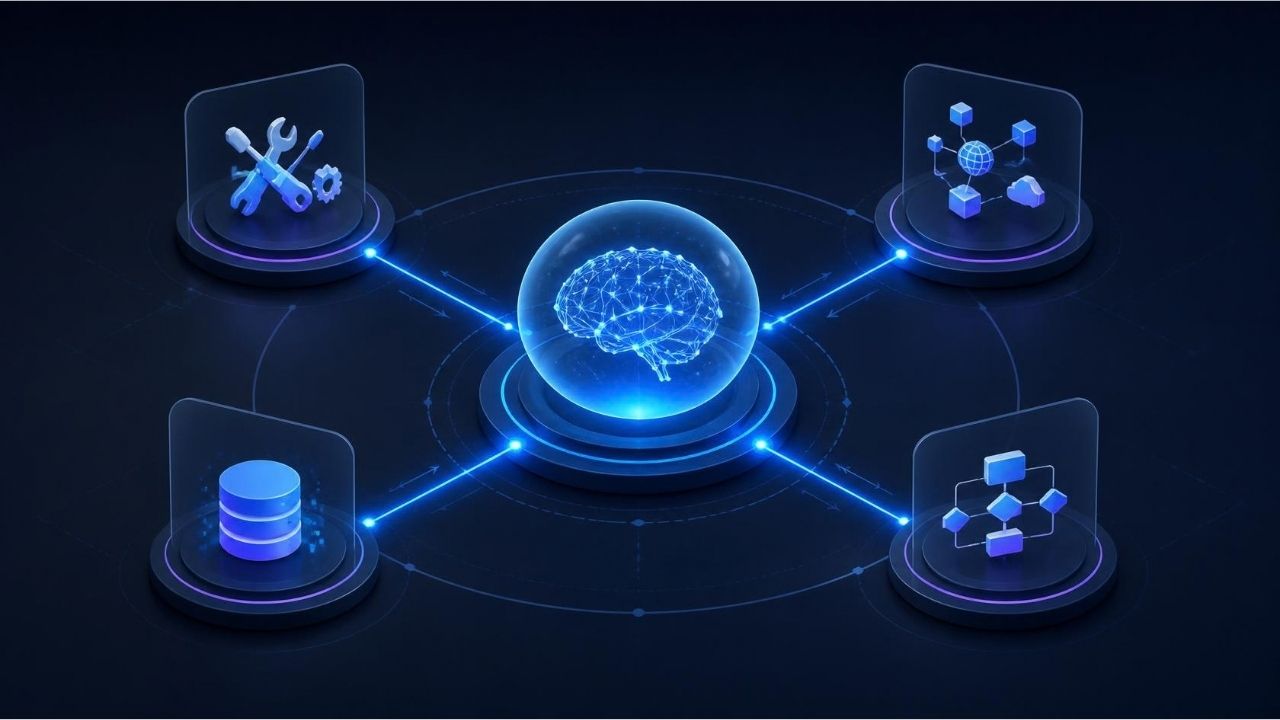
To build an AI agent, you first need to clearly define what the agent is expected to do.
Define the Purpose
The first step is to identify the problem that needs to be solved. For example, you can choose a specific use case such as:
Managing customer requests
Conducting research in internal company documents
Reviewing code
Preparing reports
Analyzing sales data
These are examples of specific application areas you can choose.
OpenAI and Anthropic recommend first evaluating whether a problem actually requires an agent and avoiding unnecessary architectural complexity.
Write the Agent's Instructions
The agent's task definition should be clear. These types of instructions help establish the boundaries of the agent's behavior.
Prompt Example:
"You are our company's customer support agent. Analyze customer requests. Use only the company policies provided to you and the information returned by your tools. Do not make assumptions about anything you do not know. For high-impact operations such as refunds, do not take action without obtaining approval from the user or an authorized employee."
Define the Tools
The tools required by the agent should be identified. For example, a customer service agent can be provided with tools for searching customer records, querying orders, checking shipping status, and creating support tickets. Avoiding the addition of tools the agent does not need is important for limiting its permissions.
Create a Testing Environment
The agent should be tested with different scenarios before being deployed to a production environment. For example, a customer service agent can be tested with various situations, including normal customer requests, missing information, incorrect customer details, operations requiring authorization, conflicting data, and malicious instructions. Anthropic emphasizes the importance of comprehensive testing and appropriate security measures, noting that greater agent autonomy can lead to increased errors and costs.
Single Agent or Multi-Agent?
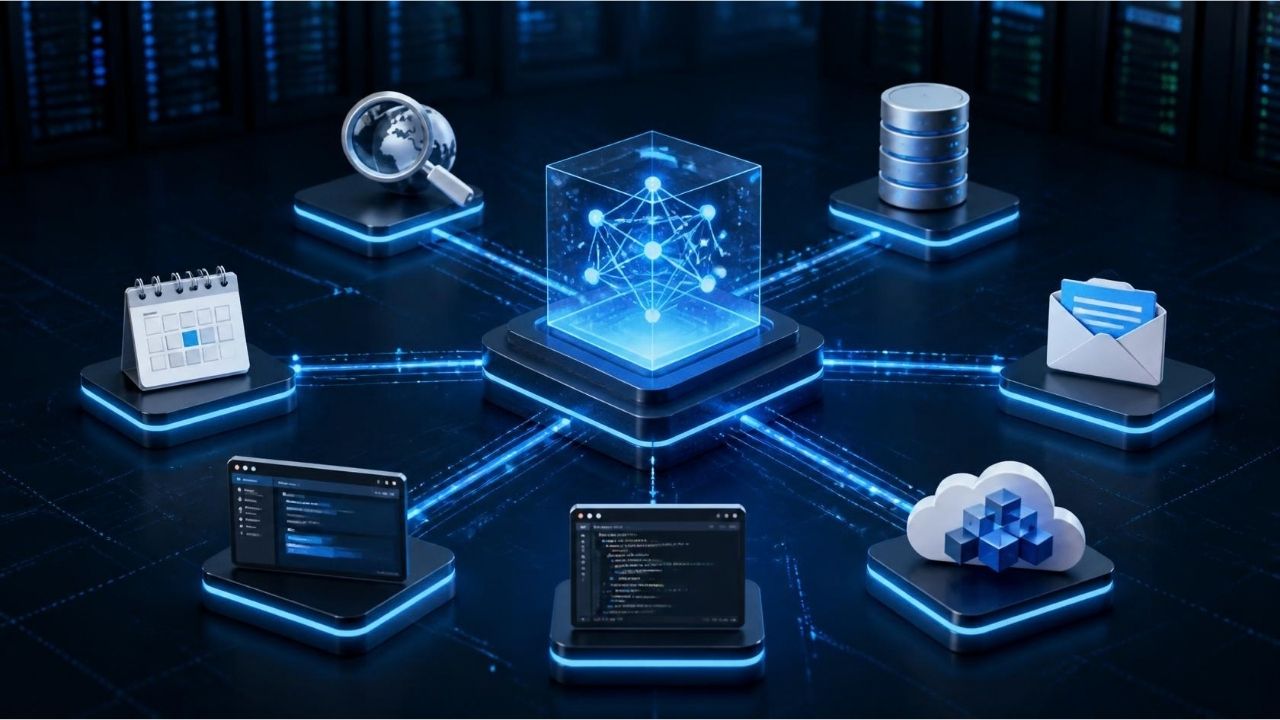
Not every system needs a multi-agent architecture.
Single-Agent System
In a single-agent system, one agent attempts to complete a task by using different tools. For example, a research agent can manage the following operations on its own: Search → Examine Sources → Compare Information → Prepare a Report. Since this structure is simpler, the development and testing processes can also be easier.
Multi-Agent System
In a multi-agent system, different tasks can be distributed among different agents. For example:
Manager Agent
↓
Research Agent + Data Analysis Agent + Reporting Agent
A structure like this can be created.
While the research agent gathers sources, the data analysis agent can examine numerical data. The reporting agent can then bring the results together. Anthropic recommends evaluating different architectures, ranging from single-agent systems to multi-agent orchestration, according to the specific use case.
The Difference Between an Agentic Workflow and an AI Agent
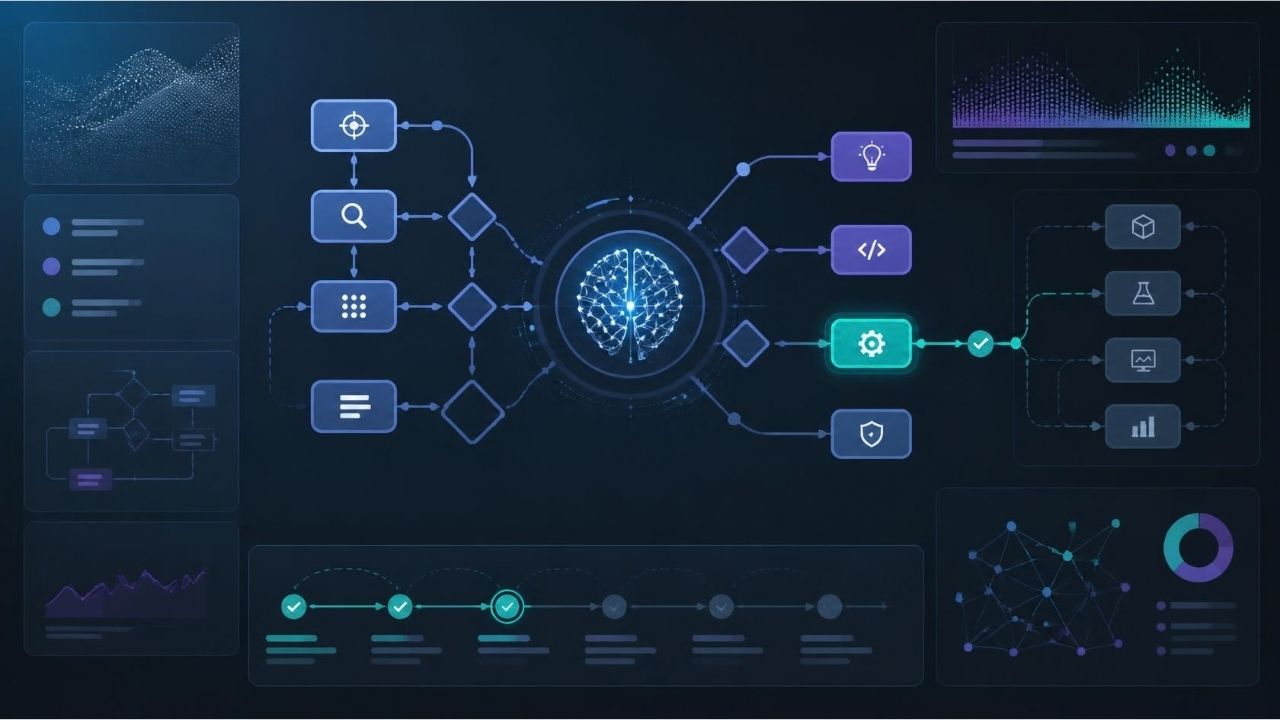
It is important to distinguish between the concepts of workflow and agent in agent-based systems.
In a workflow, the process is largely predetermined.
For example:
Receive Text → Summarize → Translate → Save
A sequence of operations like this can be defined through code.
In an agent-based system, however, the model can decide more dynamically which step and tool to use based on the current state of the task.
Should Agents Be Used for Every Task?
For a simple task with predefined steps, traditional automation or a workflow may be more suitable. Google Cloud also notes that an agentic approach is not always necessary for predefined tasks such as document summarization, translation, or classification.
Agents can be considered more suitable for:
Open-ended tasks
Multi-step processes
Tasks requiring decision-making
Working with unstructured data
Processes where fixed rules are insufficient
Advantages of AI Agents
The most important advantage of AI agents is that they transform generative AI from a tool used solely for content generation into a system that can perform specific tasks.
Managing Multi-Step Tasks
Agents can complete a task by breaking it down into multiple steps rather than performing a single operation.
Working with Tools
APIs, databases, and enterprise software can be integrated into an agent's working environment.
Using Unstructured Data
Operations can be performed on texts, documents, emails, and similar types of data.
Reducing Human Intervention
When processes are designed appropriately, certain repetitive operations can be automated. However, these advantages depend on applying the agent to the right use case and testing it reliably.
Risks of AI Agents
The ability of agents to perform operations in external systems can introduce different security and control requirements compared to traditional conversational systems.
Risk of Acting on Incorrect Information
If an agent uses tools based on incorrect information, the error can carry over into the next step.
For this reason, result verification mechanisms can be used for critical operations.
Authorization Issues
The data an agent can access and the operations it can perform should be restricted.
In 2026, NIST launched the AI Agent Standards Initiative, focusing on developing standards and protocols for security, identity, and authorization to enable the safe use of AI agents.
Prompt Injection Risk
If an agent reads data from external sources, those sources may contain malicious instructions or prompt injection attacks. Therefore, not every piece of externally obtained information should be treated as a trusted instruction, and data must be separated from instructions.
Human Approval
Human approval can be introduced for financial transactions, data deletion, critical system changes, and other high-impact operations. This approach can establish control mechanisms at critical points without completely eliminating the agent's autonomy.
What Should You Consider When Using AI Agents?
When developing or using an AI agent, focusing solely on model performance is not enough.
Limit the Agent's Permissions
Agents should not be granted access to systems they do not need. For example, an agent that only needs to read order statuses may not need permission to delete orders.
Use Approval Mechanisms for Critical Operations
Human approval can be added for operations that are difficult to reverse.
Evaluate Outputs
It is important to test not only whether the agent provides correct answers but also whether it completes tasks correctly.
Anthropic notes that evaluating agents can be more complex than traditional LLM evaluations due to characteristics such as multi-step tool usage, state changes, and changing behavior based on intermediate results.
Keep Records of Operations
Particularly in enterprise systems, it should be possible to track which tools an agent uses and when, as well as which operations it performs.
These records can be important for error analysis and system evaluation.
The Future of AI Agents
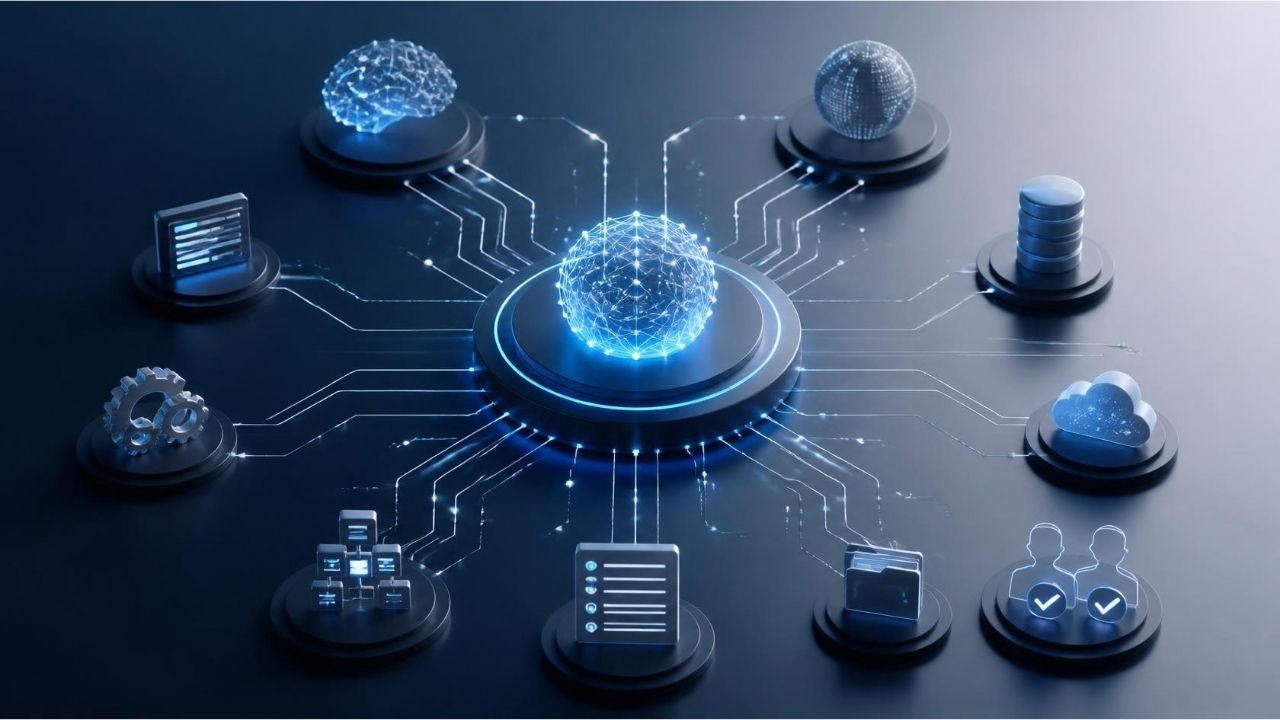
The development of AI agents is not limited to more powerful models. The ability of agents to communicate securely with different software, data sources, and other agents is also an important area of development.
The AI Agent Standards Initiative, launched by NIST in 2026, focuses on areas such as safe usage, identity, authorization, and interoperability between different systems.
For this reason, the use of AI agent systems not only in conversational interfaces but also in more comprehensive systems that work alongside companies' existing software infrastructure is considered a likely area of development in the future. OpenAI also notes that agents are expanding from short interactions toward the execution of longer-term, multi-step tasks.
However, a system being more autonomous does not automatically mean that it is better. The agent architecture must be appropriate for the task, sufficiently tested, and equipped with the necessary security boundaries.
WriterGemini mi ChatGPT mi? 2026 Karşılaştırması


TEKNOFEST ve Türkiye Yapay Zeka Ekosistemi


